
Trending
hang-seng
Source: Newsmaker.id
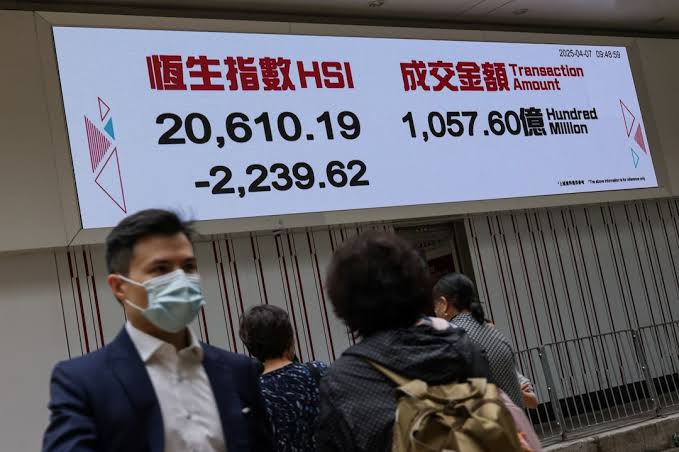
The Hong Kong stock market weakened once more during Wednesday’s (Nov 25) trading session, with the Hang Seng Index falling 1.2%, or 265 points, to reach the 21,955 level. This pressure follows a sell-off across Asian markets, fueled by growing concerns over potential new U.S. tariff policies that could weigh on China and various other trading partners.
Negative sentiment intensified as global technology stocks faced renewed pressure. Shares of Nvidia dropped 5.9% in the previous session, while the Philadelphia Semiconductor Index plummeted nearly 8%. This downturn dragged down technology firms and chipmakers in Hong Kong, effectively erasing some of the "bargain hunting" that had emerged following several sessions of decline.
Several tech stocks saw significant losses: Tencent fell 1.4%, Meituan weakened by 4.4%, and SMIC plunged 7.5%. Z.AI Co. was among the biggest drags, tumbling 14.1%, followed by Lenovo, which slid 11%. These conditions suggest that investors remain cautious regarding valuations in the technology sector amid rising global volatility.
On the macroeconomic front, investors are closely monitoring the potential for new U.S. tariffs on China and other trading partners. Such policies could heighten global trade uncertainty and dampen sentiment toward risk assets. Simultaneously, the market continues to evaluate the outlook for U.S. monetary policy, as expectations surrounding Federal Reserve interest rates remain a primary driver of global market movements.
Attention is now turning to the U.S. PCE (Personal Consumption Expenditures) inflation data—a key indicator favored by the Federal Reserve. Investors will look to this data for clues regarding the future direction of interest rate policy and the U.S. economic outlook. A PCE reading higher than anticipated could exert further pressure on tech stocks and risk assets, while a lower-than-expected figure might provide room for a recovery in market sentiment. (srh)
Source: Newsmaker.id