
Trending
Oil
Source: Newsmaker.id
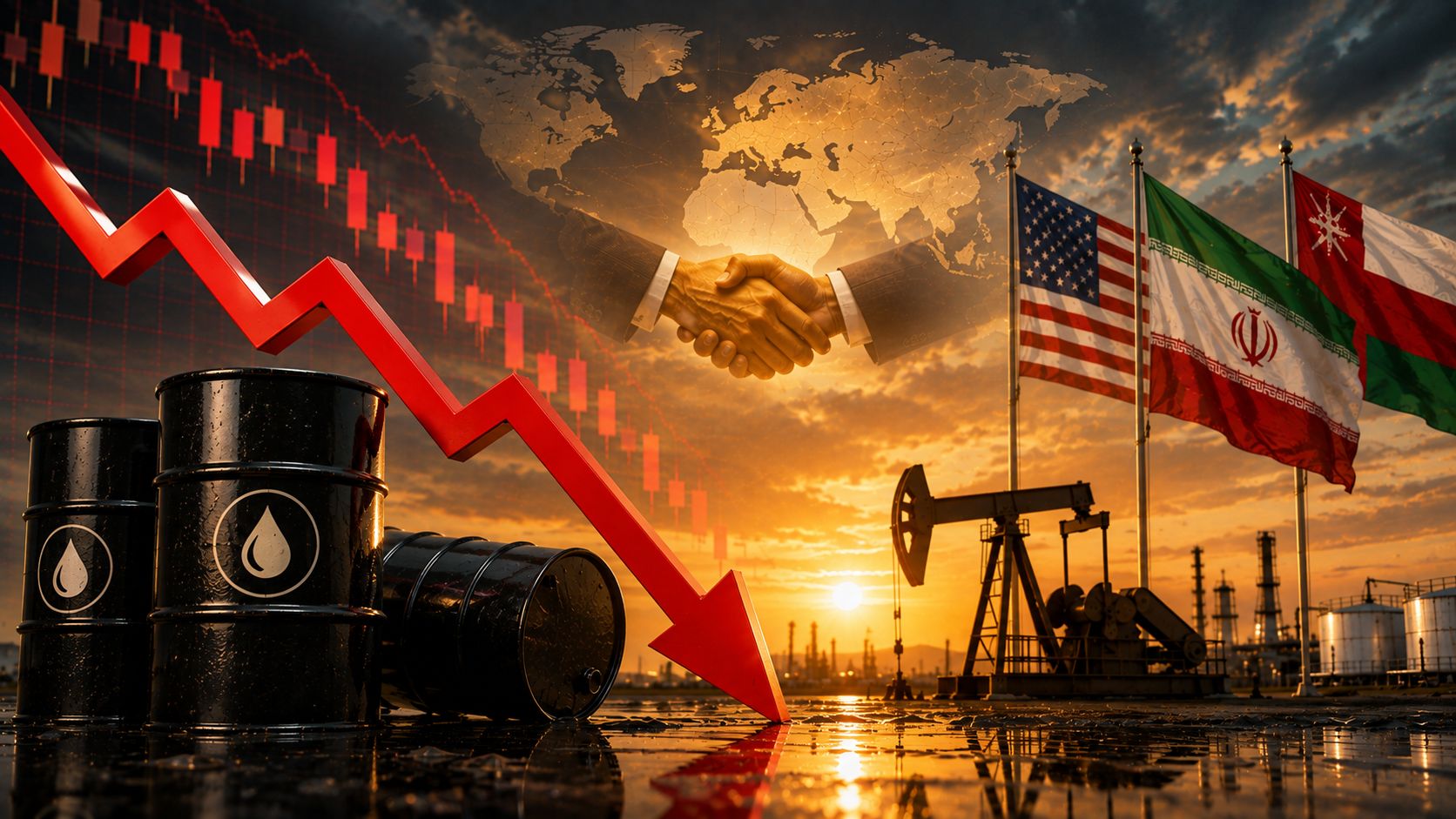
Oil prices closed sharply lower on Tuesday (August 25th), hitting their lowest level in a week after the market assessed that the latest US sanctions campaign against Iran was not strong enough to directly disrupt supply. Brent crude fell US$3.59, or 3.9%, to US$88.58 per barrel, while WTI fell US$2.65, or 3.1%, to US$82.36 per barrel.
Selling pressure emerged after investors viewed Washington's shift from military conflict to economic pressure as a lower risk to energy supplies. US Treasury Secretary Scott Bessent did announce expanded sanctions, but did not reveal the target countries or the timing of their implementation, and gave Iran's trading partners time to adjust.
This approach even revived hopes that the US and Iran could return to the negotiating table. De-escalation sentiment strengthened after Iran and Oman discussed establishing a temporary navigation corridor in the Strait of Hormuz, including a mine clearance plan to restore shipping traffic through this strategic energy route.
However, the risk of supply disruptions has not completely disappeared. Iran has threatened to retaliate against US sanctions, while China, Iran's largest oil buyer, insists its trade relations with Tehran are conducted in accordance with international law. A tanker was also reportedly hit by a projectile near Oman, indicating that maritime security threats remain real.
Shipping activity through the Hormuz Strait remains extremely limited. Only two tankers were recorded transiting the Strait on Monday, the lowest daily number since early May. Before the Iran conflict began, about a fifth of global oil consumption passed through the Strait, so any new escalation still has the potential to rapidly destabilize oil prices.
Newsmaker analysis: A decline of more than 3% indicates the market is reducing geopolitical risk premiums as US pressure shifts to economic channels and diplomatic opportunities begin to open. However, this correction could be too aggressive, as the Hormuz risk has not yet been fully resolved. If the Iran-Oman talks develop positively, oil could still be under pressure. Conversely, an Iranian attack on US installations or new disruptions to shipping could trigger a sharp price rebound. (arl)
Source: Newsmaker.id