Asian Stocks Fall, Oil Rises!
Asian stocks fell from record levels, while oil prices rallied after renewed tensions between the US and Iran rekindled concerns about energy supply disruptions. This movement tested the resilience of the regional equity rally, which in recent sessions has been supported by risk sentiment and artificial intelligence themes.
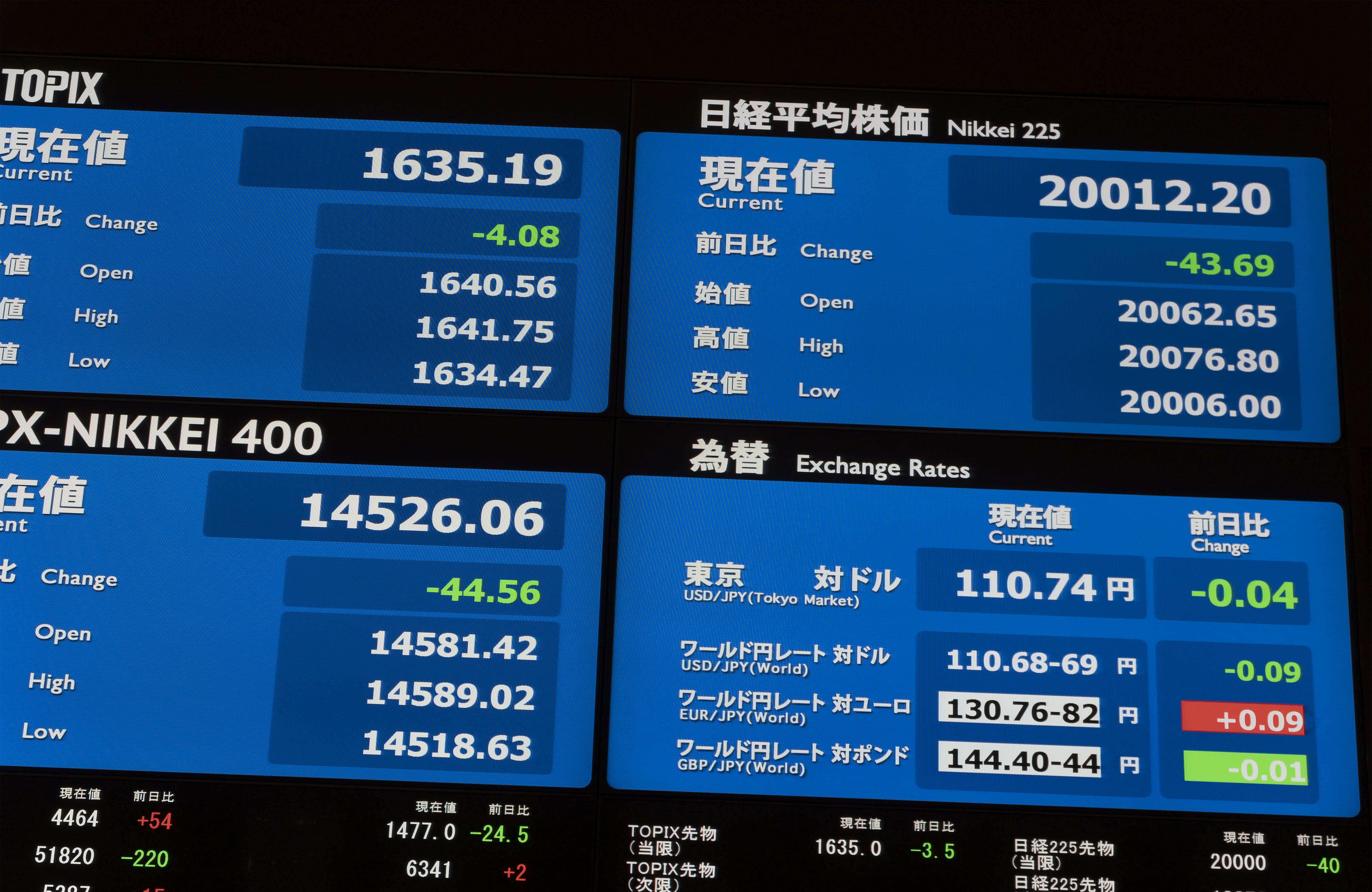
The MSCI Asia Pacific Index fell 0.9% at the open. Several market indicators also weakened, with Japan's Topix down 0.7%, Australia's S&P/ASX 200 down 1.2%, and Hang Seng futures down 0.9%. US stock futures were flat, after erasing early session losses.
On the commodities front, Brent rose 2.3% to above $102 per barrel, amid concerns that the Middle East crisis would extend the closure of the Strait of Hormuz, crucial for energy flows. The US dollar strengthened, while the 10-year US Treasury yield maintained its previous session's rise, reflecting a market reassessment of geopolitical risks and energy inflation.
The main trigger was the clash in the Strait of Hormuz. US Central Command stated that its forces responded to an Iranian attack on a US Navy destroyer as it passed through on Thursday. President Donald Trump, via social media, issued a strong statement regarding the US response, but in a telephone interview with ABC News, he also stated that the ceasefire with Iran was still "in effect."
Despite the decline in stocks, market participants have not completely abandoned the risk-on narrative. Some investors had previously tended to "look past" geopolitical headlines, allowing equities to remain near record levels amid a resurgence of AI-themed trading. However, comments from some market participants highlighted that the rapid rally with limited drivers makes equities more vulnerable to profit-taking when negative news emerges.
A Wall Street Journal report stated that the US is seeking to revive an initiative to escort ships stuck through Hormuz, which was suspended earlier this week and dubbed by Trump as "Project Freedom." Washington is said to be awaiting Tehran's response to the proposal to reopen the strait, while an Iranian official was quoted as saying his country would not agree to a reopening with a plan deemed "unrealistic." Meanwhile, the US political and economic agenda is also under pressure after a federal trade court ruled Trump's 10% global tariffs were unlawful.
Looking ahead, the market awaits US employment data, including Friday's payrolls release, to gauge the direction of interest rates amid geopolitical uncertainty. Variables that market participants will be monitoring include developments in shipping flows in the Strait of Hormuz, movements in oil and the dollar, and whether the AI-driven equity rally can sustain amid heightened geopolitical volatility. (asd)*
Source: Newsmaker.id