Asia Greens After Fed Cut, But Pause Signals Raise Caution
Asia-Pacific markets opened higher on Thursday morning after the Federal Reserve delivered its third interest rate cut this year. The Fed cut the Fed Funds Rate by 25 bps to a range of 3.5%–3.75% and signaled that the rate-cutting cycle may be temporarily paused. Fed Chairman Jerome Powell emphasized that they are now in a "comfortable" position to wait and see economic developments, while highlighting that President Donald Trump's tariffs are actually a driver of inflation.
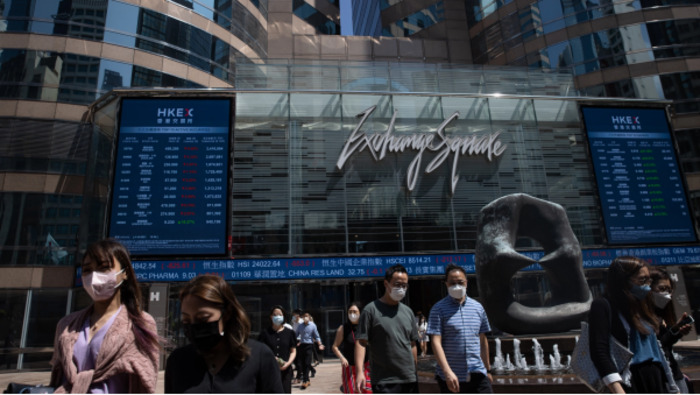
In the region, positive sentiment was immediately reflected in major stock indices. Japan's Nikkei 225 opened slightly higher, while the broader Topix index gained around 0.36%. In South Korea, the Kospi rose 0.51% and the Kosdaq gained 0.64%, reflecting maintained risk appetite. Hong Kong's Hang Seng futures also held above their previous close, indicating a potentially positive opening, while Australia's S&P/ASX 200 rose around 0.79% early in the session.
Commodity-wise, markets also reacted to the combination of lower interest rates and new stimulus measures. Silver prices hit a new record high of around $62 per ounce, according to LSEG data, amid the Fed's announcement that it would resume purchasing $40 billion in Treasury bills per month starting Friday. Short-term US bond yields also fell, increasing the appeal of non-yielding assets like precious metals. At the same time, the Fed removed the phrase that the labor market "remains weak" from its statement, signaling that the focus is shifting from solely fighting inflation to supporting the weakening economy.
The Fed's decision was also felt on Wall Street and served as a driving force for sentiment in Asia. The Dow Jones Industrial Average jumped about 1.1%, while the S&P 500 gained 0.7% and the Nasdaq Composite gained 0.3% following the announcement. For investors in the Asia-Pacific region, the combination of lower US interest rates, signals of a pause in rate cuts, and liquidity support through the purchase of Treasury bills creates a more conducive environment for risky assets, but also raises the question: are these measures enough to stem the global economic downturn, or do they signal a new phase of growth concerns going forward? (asd)
Source: Newsmaker.id