Yen drops to 7-month low on fiscal concerns, euro dips
Concerns about the fiscal outlook in Japan sent the yen to a more than seven month low against the U.S. dollar on Tuesday and political uncertainty in France dented the euro, with traders also focused on any signs of when the U.S. federal government will reopen.
The yen has tumbled since Sanae Takaichi’s leadership victory in Japan on Saturday.
Takaichi, who is expected to become Japan's next prime minister, has pledged to boost the Japanese economy with aggressive spending and has been critical of the Bank of Japan's interest rate hikes.
"There's going to be a period of time where (investors) try and figure out how exactly her policies will affect the currency," said Lou Brien, strategist at DRW Trading in Chicago.
Money market traders are now pricing in a 26% chance that the BoJ will raise interest rates at its next policy meeting on October 30, down from around 60% before Takaichi's leadership victory.
Against the Japanese yen "For this month, the BoJ will perhaps stay on hold just to be on the safe side but in December they'll get a bit more data and I think they'll deliver another hike," said Mohamad Al-Saraf, forex research associate at Danske Bank.
"Inflation is still too high, rates are still too low, and the case for another BoJ hike this year is still alive."
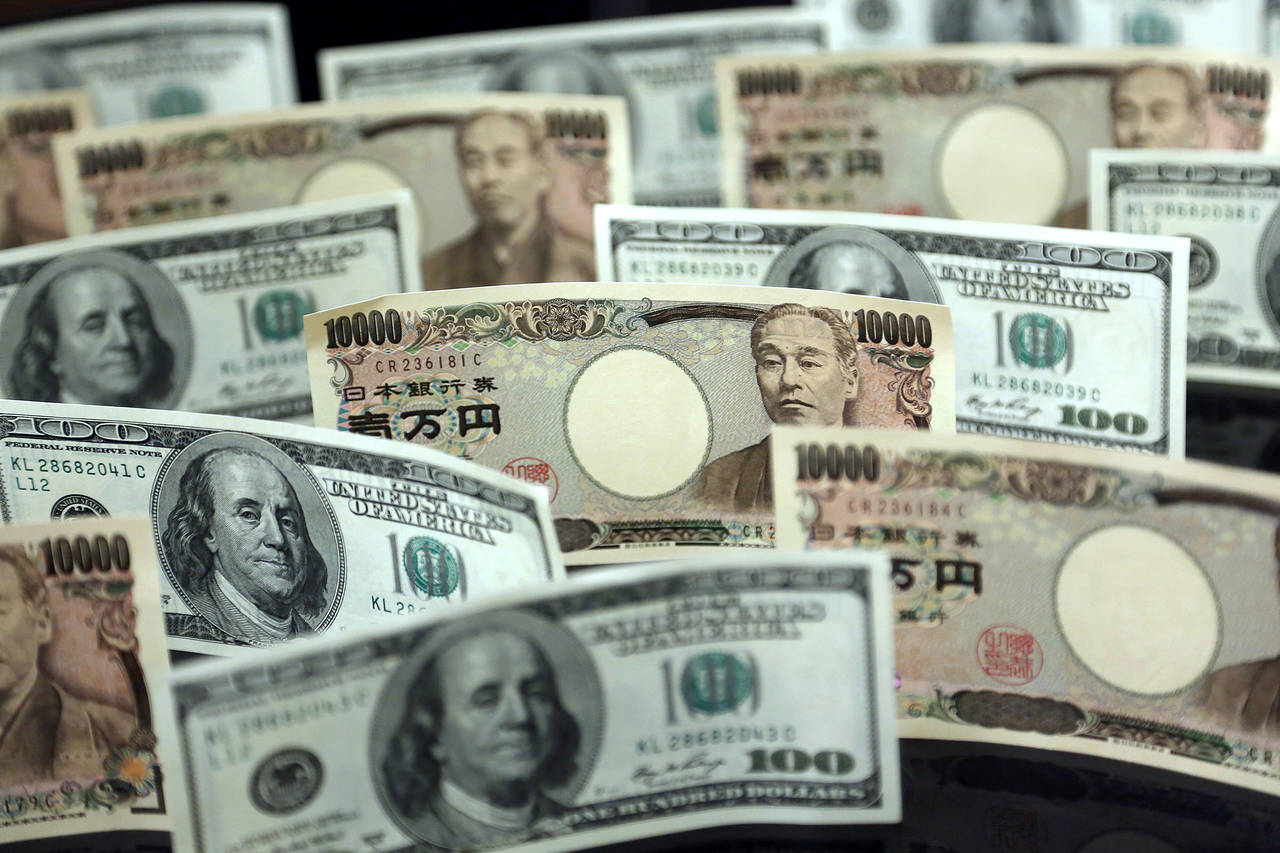
Japan's finance minister said authorities were watching out for excessive moves in currency markets., the dollar was last up 1% to 151.86 and reached 151.93, the highest since February 19.
Still, some analysts said that the Bank of Japan is likely to continue hiking interest rates as it battles relatively high inflation.
The euro remained on a fragile footing following the resignation of France's prime minister on Monday, adding to pressure on President Emmanuel Macron and putting fiscal consolidation in doubt.
France is now likely to miss a deadline to present its 2026 budget bill, meaning lawmakers will need to pass emergency stopgap legislation to authorize spending from January 1 until a full budget is approved.
The single currency was last down 0.43% at $1.1659.
The dollar index rose 0.46% to 98.57.
The U.S. currency has weakened this year on concerns about a deteriorating fiscal outlook, expectations of slowing growth and fears that President Donald Trump's tariff policies will scare investors away from U.S. assets.
That move has paused since the end of June with the greenback largely consolidating against most major peers, said DRW's Brien.
Brien expects dollar weakness to resume, however, on a weakening labor market.
A New York Federal Reserve survey released on Tuesday found that Americans grew more worried about the future of the job market in September, while at the same time bumping up projections for the future path of near-term inflation.
Fed Governor Stephen Miran on Tuesday said that he is more sanguine about others about the outlook for inflation and said the U.S. bond market’s current relative calm supports a swift push to lower interest rates.
In cryptocurrencies, bitcoin fell 3.51% to $120,8601 after reaching a record $126,223.18 on Monday.
Source: Reuters