

Hopes for Iran Peace Pressure US Dollar
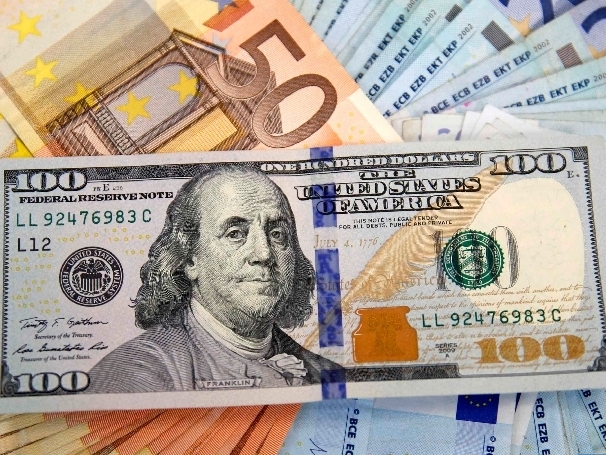
The US dollar weakened in Friday's trading, while the euro held firm as market optimism grew over the chances of a peace deal between the US and Iran.
The US dollar index fell 0.1% in the London session, stabilizing after hitting a one-week low in the previous trading session. Throughout the week, the dollar index has the potential to weaken by around 0.3%.
Market sentiment improved after US President Donald Trump stated that a peace deal with Iran could be signed as early as this weekend. This statement fueled a risk-on mood in global markets, as investors began to anticipate an easing of tensions in the Middle East and the potential reopening of key energy supply lines.
Oil prices also fell to their lowest level in approximately two months as markets saw the potential for a de-escalation of the conflict and the normalization of energy distribution channels. The decline in oil prices helped ease concerns about energy-based inflationary pressures, although previous US producer data showed higher-than-expected price increases due to surging energy costs.
However, lower-than-projected core inflation pressures made the market somewhat more reassured about the risk of a Fed interest rate hike in the near future. Investors are now shifting expectations for monetary policy tightening to a more distant future, while awaiting next week's Federal Reserve meeting for the latest policy direction.
In Europe, the euro is hovering near its strongest level in a week and heading for its best weekly performance in more than a month. The euro's gains were supported by the European Central Bank's decision to raise interest rates for the first time in nearly three years. This policy provided an additional boost to the euro amid a weakening US dollar.
Meanwhile, the pound sterling has been relatively stable, but is still on track for its best weekly gain in nearly a month. The British currency is supported by improving global risk appetite, despite economic data showing the UK economy contracted 0.1% in April, the first monthly decline since August.
Looking ahead, market focus will be on next week's Federal Reserve and Bank of England meetings. The Fed is expected to keep interest rates unchanged, but investors will be closely monitoring the latest economic projections and comments by Jerome Powell. In the UK, the Bank of England is also expected to hold rates, while markets continue to weigh the risks of persistent inflation and a slowing economy.
In my opinion, the current dollar's weakening is largely driven by a combination of optimism for US-Iran peace, falling oil prices, and expectations that the Fed will not rush to raise interest rates. However, the dollar's room for further weakness could be limited if inflation data returns to a fever pitch or the Fed signals a more hawkish stance.
Currently, the foreign exchange market is focused on two main areas: developments in the Middle East and the direction of global central bank policy.
Source: Newsmaker.id








