

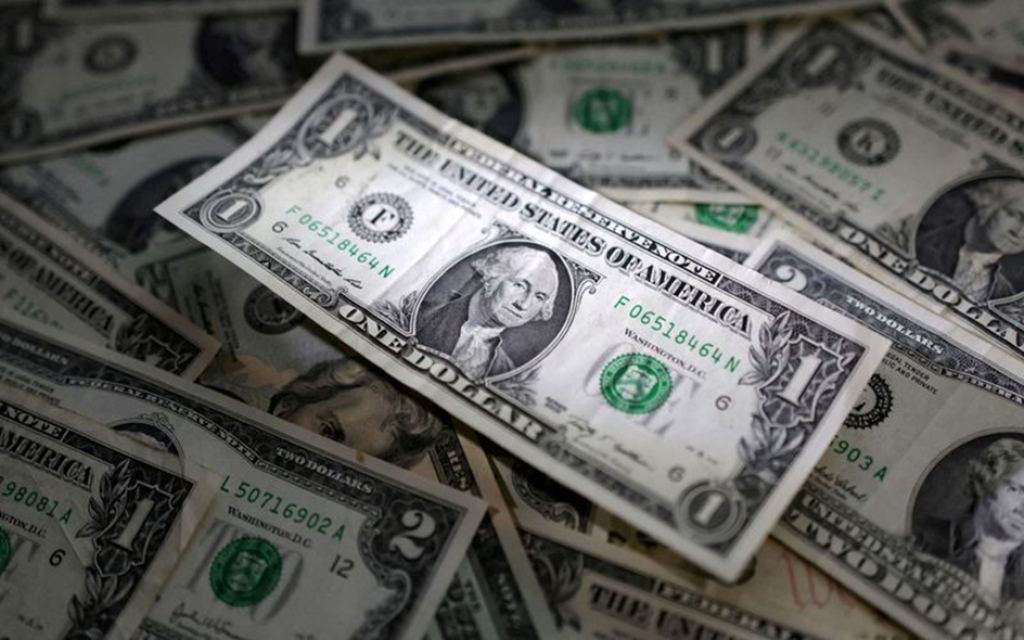
Dollar Weakens to Two-Week Low Amid Optimism for US-Iran Deal
The US dollar opened the week under pressure, falling to a two-week low as risk-on sentiment improved in global markets. This shift in risk appetite was triggered by growing optimism about a potential US-Iran deal, prompting market participants to reduce defensive positions in the greenback.
The dollar index (DXY) fell after breaking through the 99.00 support area and extended its decline following the strengthening of risk assets. Within the framework of market transmission, easing geopolitical risk premiums and declining energy volatility tend to reduce demand for the dollar as a safe haven in the short term.
EUR/USD strengthened sharply to a multi-day high and retested the 1.1650 area, driven by widespread US dollar selling. There were no major data releases from Germany or the eurozone, so movement was largely guided by global sentiment and dollar dynamics.
GBP/USD reversed two consecutive daily declines and broke through 1.3500 amid a stronger risk-on mood. The market is awaiting the release of BRC Shop Price Inflation and CBI Distributive Trades for clues on demand conditions and price pressures in the UK.
USD/JPY is consolidating at the upper end of its range near 159.00, shrugging off two previous daily declines. From Japan, the agenda includes the final release of the Coincident and Leading Indexes, which are typically monitored for signs of economic activity.
AUD/USD is surging and approaching a multi-day peak around 0.7180, resuming its uptrend after two sessions of correction. The next focus for the Australian market is the key inflation release on May 27, which has the potential to influence policy expectations.
In commodities, WTI fell sharply and approached US$90 per barrel, nearing a three-week low, as market participants assess the likelihood of an imminent reopening of the Strait of Hormuz. Weakening oil reinforces the narrative of easing supply risk premiums and suppresses support for energy-based inflation.
The weakening dollar also supported gold, pushing prices closer to the US$4,600 per troy ounce benchmark. The mixed tone of US Treasury yields across the curve also helped gold's recovery, as the market balanced the boost from a weaker dollar with gold's sensitivity to interest rate expectations and real yields.
Source: Newsmaker.id








