

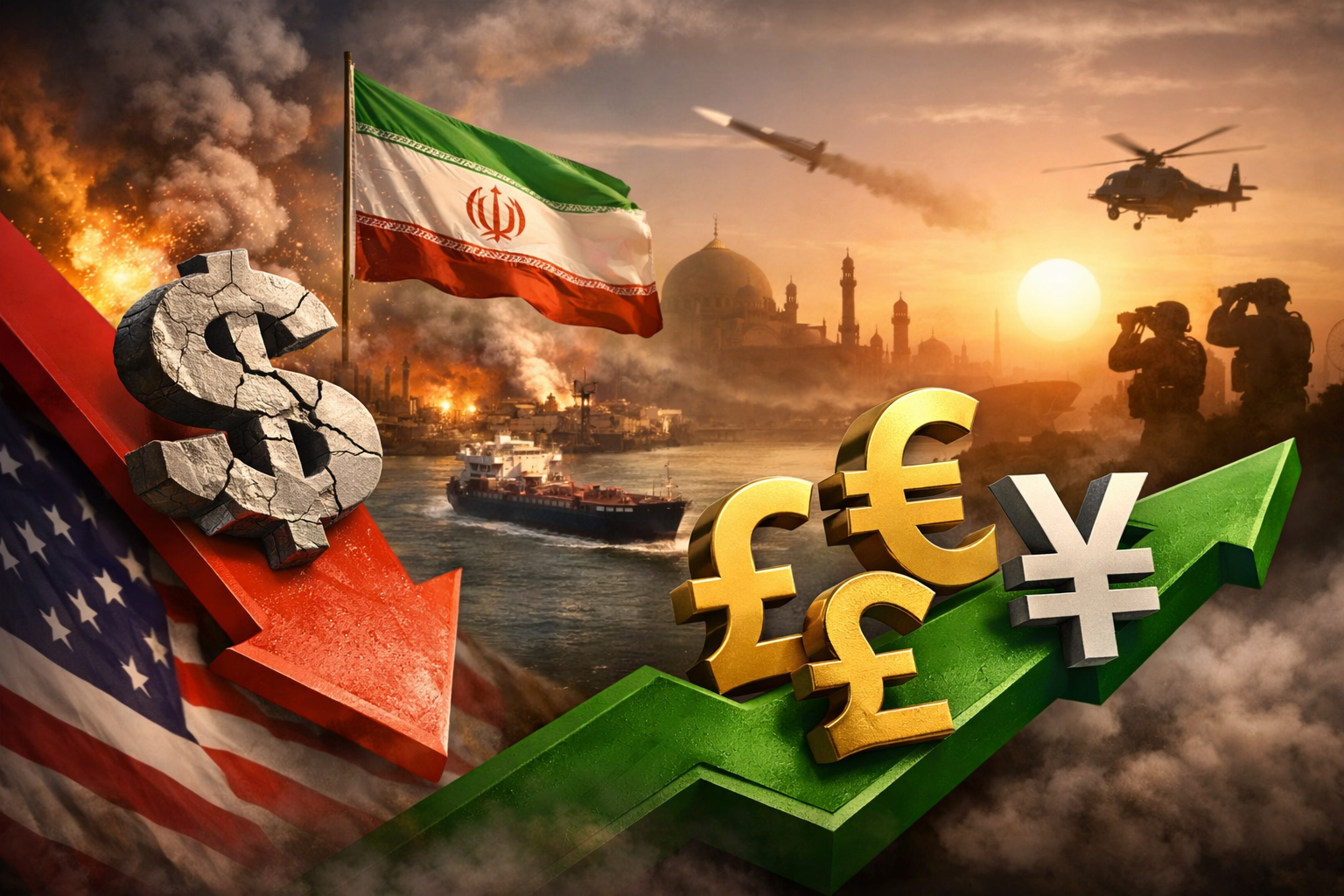
Iran Ceasefire Pressures Dollar, Euro, Pound, and Yen Strengthen Simultaneously
The US dollar fell to its lowest level in a month against a basket of currencies on Wednesday (April 8), dragged down by the unwinding of safe-haven positions after the United States and Iran agreed to a two-week ceasefire. The greenback weakened against all developed currencies, as markets assessed the easing of geopolitical risks and the return of risk appetite.
The euro rose 0.9% to US$1.1698, its highest since early March. The pound strengthened 1% to US$1.3428. The dollar fell nearly 1% against the yen to 158.12. The dollar index weakened for a third straight day, touching 98.838, its weakest since March 11.
The agreement was announced less than two hours before President Donald Trump's deadline for Tehran to open the Strait of Hormuz expired. Trump said the deal hinged on Iran agreeing to end its blockade of oil and gas flows through the strait, which normally handles about a fifth of global oil shipments.
The FX movement followed a sharp rally in stocks and government bonds, while oil prices fell sharply. Brent plunged 13.4% to US$94.68 per barrel, though still well above pre-war levels. The energy slump shifted market focus to the next steps of central banks, as changes in oil prices influence the inflation outlook and the path of interest rates.
The market now rates about a 50% chance of a Fed rate cut by year-end, after previously seeing no such cut. In Europe, market participants see two ECB rate hikes through January, down from nearly three last week. The dollar was the main winner during the war, with the index rising 2.2% in March as markets assessed that the US, as a net energy exporter, would bear a smaller economic impact than importers like Japan and much of Europe.
Outside the G-10, the New Zealand dollar jumped 1.7% to US$0.5825 after the RBNZ held its interest rate at 2.25% for a second meeting and stated it was ready to act if inflationary pressures intensified. The Korean won strengthened 1.6% to 1,477.10—its biggest daily gain since the war began—although markets were also monitoring renewed tensions after North Korea fired several ballistic missiles.
Market attention will now focus on the implementation of the ceasefire, the smooth flow of the Hormuz Strait, the direction of oil prices after the sharp decline, and adjustments in policy expectations from the Fed and the ECB.
Source: Newsmaker.id








