

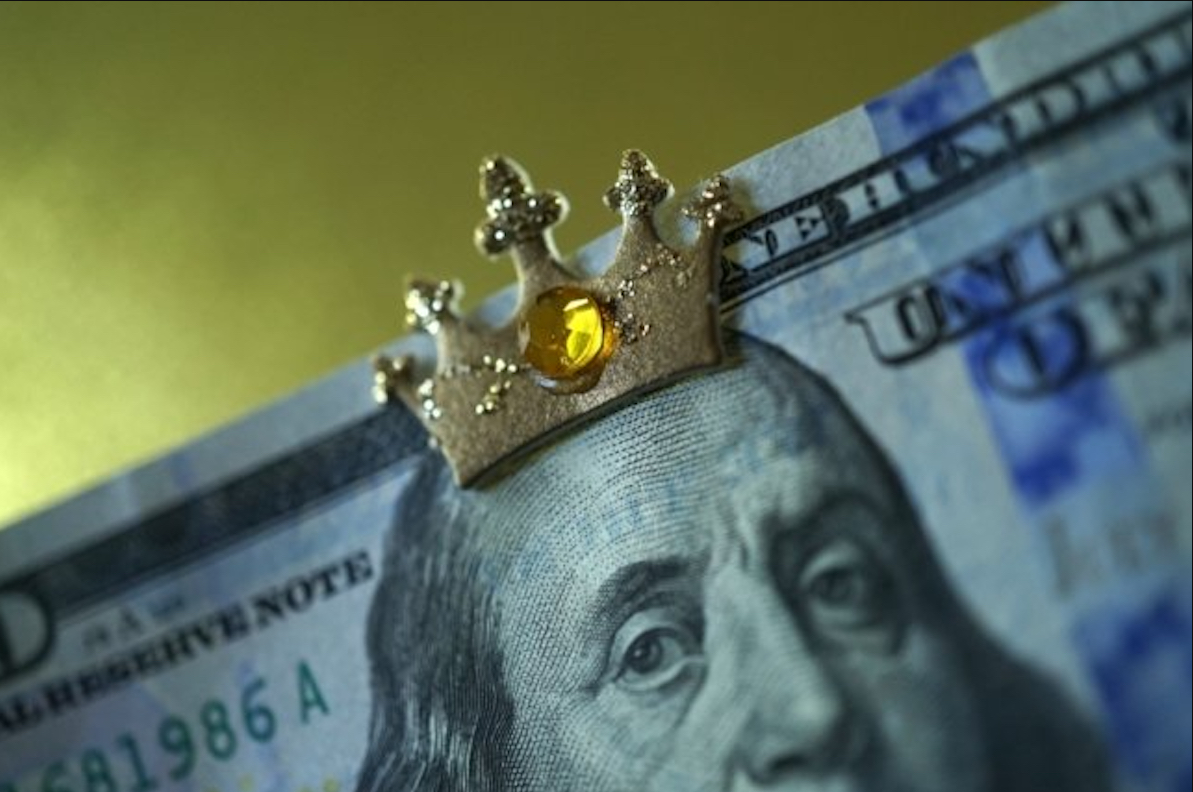
Tense Start to the Week: Dollar Steady, Yen & Aussie Under Pressure
The US dollar held firm on Monday (February 2), as market participants began to gauge the Federal Reserve's direction if Kevin Warsh were to take over. At the same time, sharp declines in precious metals and oil weighed on commodity currencies, making for a more tense and eventful start to the week.
The pressure from commodities didn't stop there. Price weakness spread to Asian and European stock markets, indicating that risk-off sentiment hasn't completely dissipated. The week was also packed with catalysts: a series of central bank meetings, the release of heavy-weight economic data, and the Japanese election, which has become a new focus for global traders.
In the foreign exchange market, the yen is back in the spotlight. Japanese Prime Minister Sanae Takaichi mentioned the "benefits of a weak yen" in her campaign speech over the weekend, a tone that was seen as clashing with the Japanese Ministry of Finance's efforts to contain the yen's weakening. The combination of these comments and the election issue makes the yen vulnerable to further pressure.
The dollar index (DXY) was last trading around 97.21, relatively stable after rallying around 1% on Friday, triggered by news that Trump had chosen Warsh as the next Fed chairman. The market believes Warsh is unlikely to push for a rapid interest rate cut, as some investors had hoped—although this remains controversial, as he is also seen as more "soft" than current chairman Jerome Powell.
Meanwhile, the euro and pound traded within a limited range. EUR/USD held around 1.1852, well short of the 1.20 level seen previously. GBP/USD also remained flat around 1.3690. Market focus is on the ECB and Bank of England decisions on Thursday, which are generally expected to keep interest rates on hold.
Among commodity currencies, pressure was more evident. The Australian dollar fell as much as 0.7% to 0.6908 before recovering, ahead of the Reserve Bank of Australia's interest rate decision on Tuesday—although many markets still expect a rate hike. The New Zealand dollar briefly dipped to 0.5991, while the Canadian dollar weakened slightly.
The yen's weakness persisted around 154.90 per dollar, influenced by expectations that Takaichi's party could win a landslide victory. An Asahi survey suggested the LDP could surpass a majority, fueling speculation of a more expansive fiscal policy and tax cuts—two factors that could exacerbate market concerns about Japan's fiscal situation. However, the yen still has a natural "brake": traders remain wary of the risk of intervention if the weakening accelerates, especially after recent discussions about US-Japan coordination.
Source: Newsmaker.id








