

Dollar Begins to Breathe, But Markets Remain Nervous Ahead of Fed
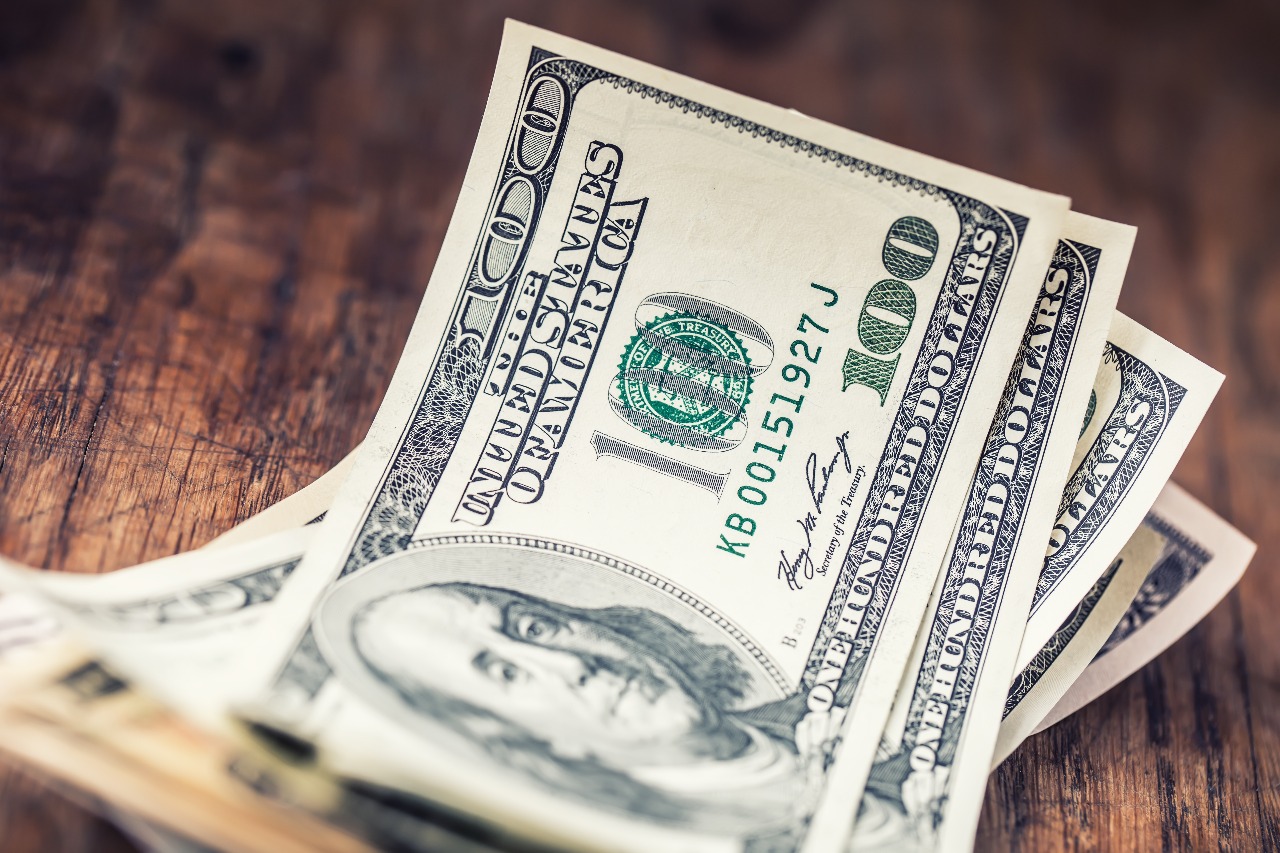
The US dollar began to find its footing on Wednesday (January 28th) after a sharp sell-off, with US President Donald Trump appearing to relax his response to the currency's recent weakness. At the same time, solid corporate earnings reports kept global stocks near record highs, while market attention focused on the Federal Reserve's interest rate decision.
Although the dollar moved away from a four-year low, market sentiment remained fragile. This follows the sharpest sell-off since Trump's tariffs shook markets last April. European stock markets weakened, but US stock futures pointed to a positive opening on Wall Street. In Asia, Japan's Nikkei rose slightly, while the world stock index (MSCI World) remained near its record.
Nordea analyst Jan von Gerich believes the current situation is more of a "dollar story," rather than a mass flight from US assets like last week. He highlighted one important point: Fed Chairman Jerome Powell's statement tonight could allude to political pressure—something Powell has avoided.
The Fed itself is expected to keep interest rates on hold. However, this meeting was overshadowed by sensitive political issues: the criminal investigation into Powell, the growing effort to oust Fed Chair Lisa Cook, and plans to appoint a replacement for Powell, whose term is expected to expire in May.
In the foreign exchange market, the Dollar Index (a measure of the dollar against six major currencies) rose 0.25% to 96.16 after plunging more than 1% the previous day to a four-year low. Trump called the dollar "great" when asked if it had fallen too far. While the comment was not new, the market interpreted it as a signal that the administration was not concerned about the dollar's weakness—making market participants even more willing to pressure the dollar, especially amid speculation of potential coordinated US-Japan intervention to stabilize the yen.
The dollar's earlier weakness had lifted the euro above $1.20 for the first time since 2021, pushed the Australian dollar above 70 cents (a three-year high), lifted gold to a new peak, and boosted dollar-denominated commodity prices.
According to Steve Englander of Standard Chartered, officials typically restrain themselves from sudden currency movements—but when the president appears "unconcerned" or even supportive, dollar sellers become more aggressive.
Source: Newsmaker.id








