

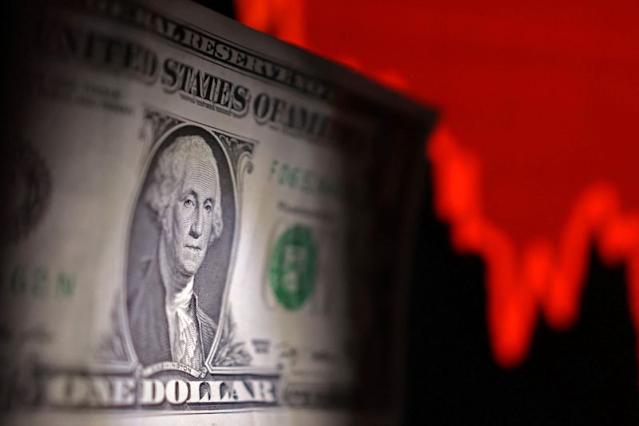
US Dollar Falls, January Data Key to Federal Reserve's Move
The US dollar ended its worst week since June, with the Bloomberg Dollar Spot Index down about 0.8% this week. Year-to-date, the dollar has fallen nearly 8%, which would be its biggest annual decline since 2017. This decline occurred amid sluggish trading due to the holiday, with many markets closed last Friday, including in the UK.
Traders are now focusing on upcoming economic data, particularly the December jobs report and consumer inflation figures due in early January. These data are expected to provide clues about the next steps from the Federal Reserve, which recently cut interest rates for the third consecutive meeting to support economic growth.
The yield on the 10-year US Treasury note also fell, dropping about two basis points to 4.13%, adding to pressure on the dollar. Traders expect the Fed to keep rates unchanged at its upcoming meeting, but are betting on further cuts mid-year and in the months after.
Despite the US dollar's decline, risk-sensitive currencies such as the Australian dollar and the Norwegian krone led gains against the greenback. Traders have also raised expectations for a weakening dollar for the fifth consecutive day, with a key options indicator showing its most bearish stance against the US dollar in more than three months.
Source: Newsmaker.id








