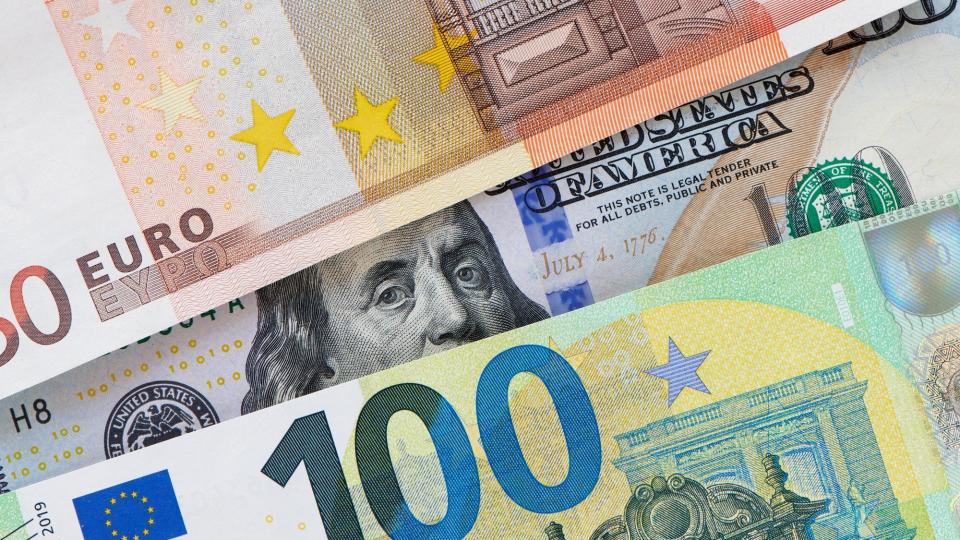
Eurozone Inflation Cools, EUR/USD Remains Higher
The EUR/USD rebounded on Wednesday (February 25th) after the US dollar began to lose steam, giving the euro room to pare intraday losses. In recent trading, EUR/USD was around 1.1803, up 0.26% from the previous close, after briefly touching a daily low near 1.1771.
Pressure on the USD stems from increasingly uncertain policy sentiment. US President Donald Trump's tariff rhetoric has once again weighed on the market, particularly after the US implemented a 10% global tariff based on Section 122 and signals that the White House is preparing to move towards a 15% tariff. This uncertainty over the direction of trade has added to investor doubts about the credibility of US policy and fiscal stability.
In Europe, subdued inflation temporarily supported the euro, but the impact was limited. Data showed eurozone inflation fell to 1.7% YoY in January, while core inflation also softened, reinforcing the view that price pressures are more manageable and the ECB may be trending towards stability. However, during this session, USD factors (and tariff issues) were more dominant in shaping the direction of EUR/USD.
Looking ahead, without any major US data catalysts in the near term, the market will remain sensitive to two things: (1) tariff headlines (current 10% vs. potential 15%), and (2) the Fed's tone on inflation—whether it's strong enough to delay easing any longer. From the eurozone, attention will shift to the release of sentiment indicators, while from the US, the market will await producer price data for clues on the direction of inflation.
Source: Newsmaker.id