

Silver Rebounds, Hormuz Risks Lurk
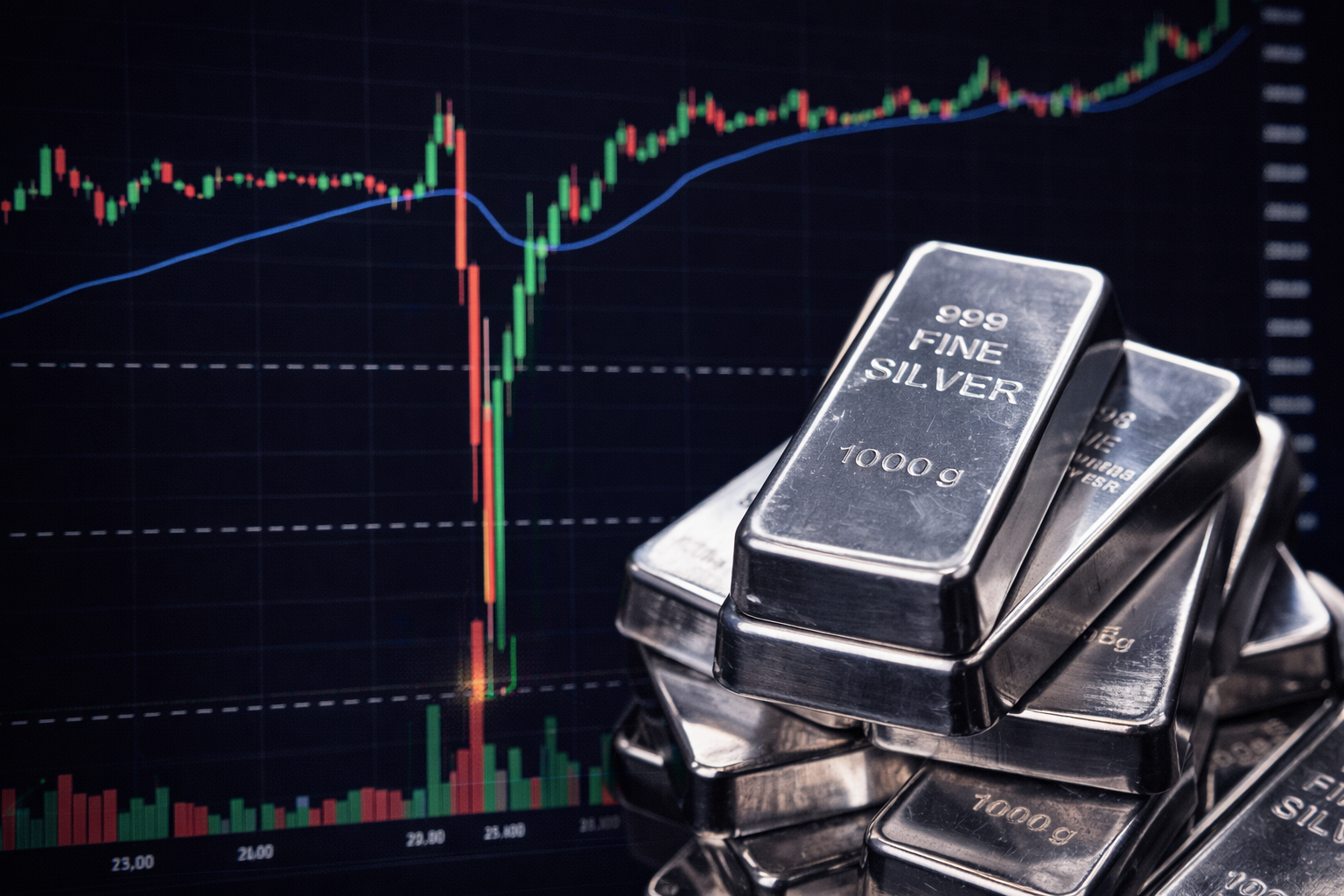
Silver prices rose more than 1% and returned to trading above $83 per ounce on Wednesday, after weakening for two consecutive sessions. This recovery occurred as the market reconsidered rising geopolitical risks, particularly as the conflict in the Middle East showed no signs of abating.
The US-Israel war against Iran entered its fifth day, and the latest escalation has helped maintain demand for defensive assets. Reports from various international media outlets indicated that Israel targeted locations associated with the Assembly/Council of Experts in the city of Qom—a key institution in the succession process for Iran's supreme leader—reinforcing that the conflict has the potential to escalate into a prolonged political crisis, rather than just a short-term military clash.
Meanwhile, Washington is working to calm panic over global energy routes. President Donald Trump has raised the possibility of US Navy escorts and insurance/risk guarantees for tankers and maritime trade in the Gulf region, including the strategic Strait of Hormuz. These measures are intended to stabilize shipping costs and prevent further energy spikes, although market participants assess that operational risks on the ground remain high.
However, silver has just experienced a sharp correction, so today's gains can also be interpreted as a "technical rebound" after excessive pressure. In the previous two sessions, silver was under heavy pressure, partly due to a strengthening US dollar and changing interest rate expectations, as markets worried that surging energy costs could trigger inflation, potentially making the Fed's policy stance tighter/longer-lasting than initially expected.
Silver's "two-faced" nature often makes it more volatile than gold: it is both a safe haven and an industrial metal. When conflict escalates, hedging interests can boost silver. However, when the dollar and yields rise due to the inflation-interest rate narrative, silver is also vulnerable to corrections—especially after a major rally, when the market is usually sensitive to profit-taking and deleveraging.
Outlook & Prediction: In the near term, silver's direction depends heavily on two key drivers: whether the conflict escalates and the Hormuz risk worsens, and whether the dollar remains dominant due to concerns about energy inflation. If conflict headlines escalate and the market seeks hedging again, silver has the potential to continue its recovery. However, if the dollar continues to strengthen and the market becomes increasingly hawkish on interest rates due to inflation risks, silver's gains are likely to be limited and could easily become volatile. (Asd)
Source: Newsmaker.id








