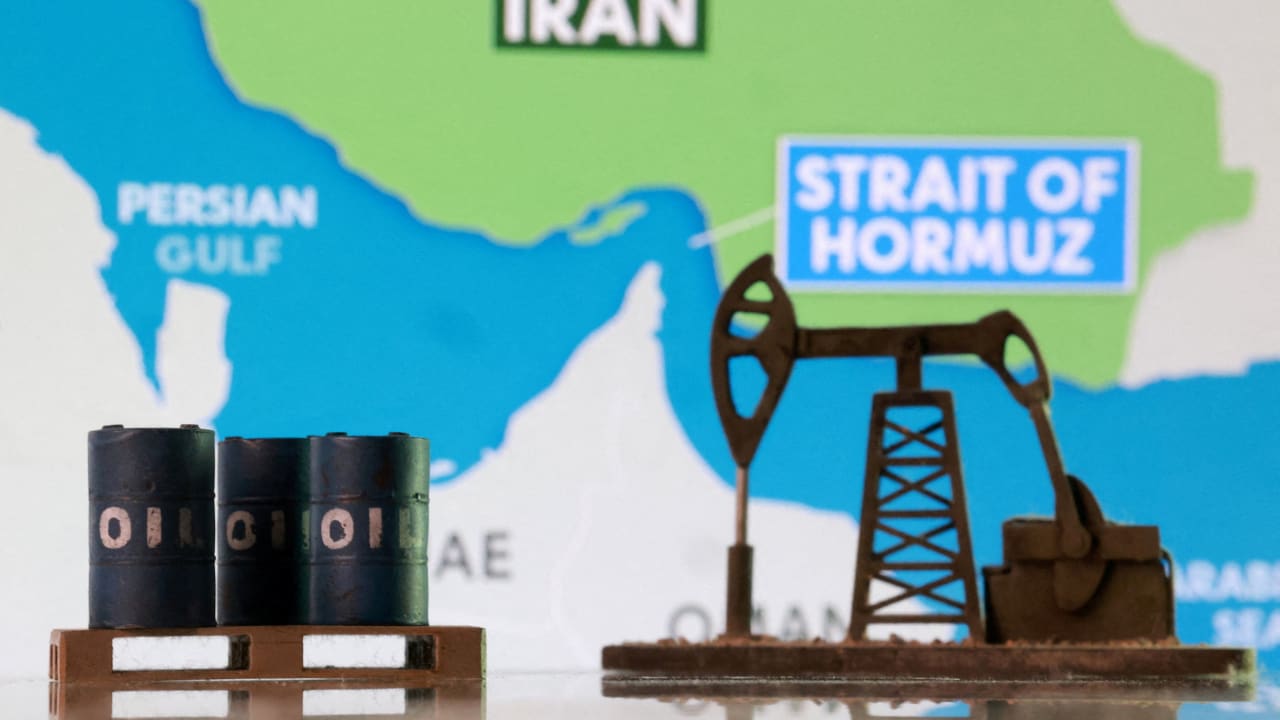
Hormuz Threatened, Oil Holds High
Oil prices are on track for their biggest weekly gain since April as the conflict between the United States and Iran again disrupts energy supplies from the Middle East. Brent is trading around US$85 per barrel and has the potential to strengthen by around 11% in a week, while WTI is approaching US$80 per barrel.
Tensions have escalated after the US launched another attack on Iran, including targeting defense facilities. This attack followed a previous operation that hit oil tankers near Iran's main export terminal, raising concerns about regional supply security.
Iran retaliated by attacking US bases in Kuwait, Jordan, and Bahrain. These three countries have been among the regions most affected by Iran's retaliatory attacks since the conflict escalated early last week. Qatar, which has been acting as a peace mediator, also stated that it successfully intercepted missiles targeting its territory.
The rise in oil prices occurred as market concerns renewed over shipping flows in the Strait of Hormuz, a vital waterway through which about a fifth of global oil flows pass. Disruptions have also begun to affect the supply of refined products such as diesel and gasoline, causing US refinery margins to surge to record highs.
Fuel markets in the US and Europe are currently showing extremely tight conditions. This pressure is exacerbated by a decline in Russian exports after Ukraine attacked the country's refineries and Moscow banned diesel exports. This situation increases the risk of rising energy costs for consumers.
Although ship traffic in Hormuz has decreased, some shipments are still taking place via ship-to-ship transfers around Oman. However, the market remains cautious after Iran targeted a ship used to move oil from the United Arab Emirates. Consequently, oil prices have the potential to remain high as long as the threat to Hormuz remains unabated and global fuel supplies remain tight. (arl)
Source: Newsmaker.id