US Blockade Triggers Energy Surge, Brent-WTI Soars
Oil and gas prices surged on Monday (April 13) after the US announced it would block ships heading to and from Iranian ports or calling there, deepening an already extreme global energy supply shock. Brent briefly rose to around US$104/barrel, while European natural gas contracts surged nearly 18% intraday, reflecting the return of route and supply risk premiums.
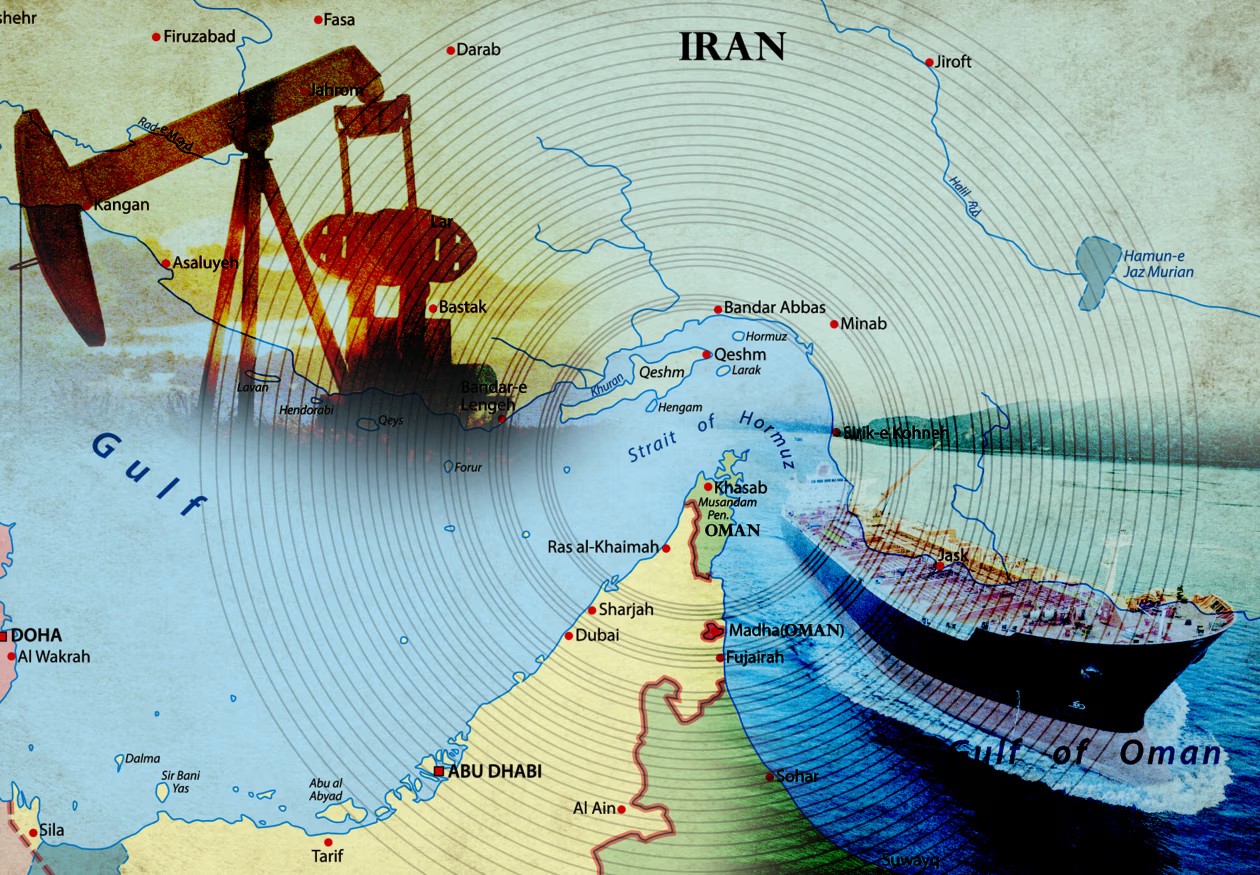
The US Central Command stated that the blockade would take effect at 10:00 a.m. New York time and would not apply to other ships attempting to transit to non-Iranian ports. If effective, the blockade would disrupt one of the few remaining Persian Gulf oil flows during the war, while Tehran's threats of retaliation against Gulf ships and ports raise risks for other producers and increase the potential for further disruption.
Technical clarity on enforcing the blockade remains limited ahead of implementation, with the US military saying details would be communicated through official notices to sailors. President Donald Trump has said the measure would be "very effective," and reports suggest Washington is also considering continuing limited strikes. From Iran, military adviser Mohsen Rezaee asserted that his country would not tolerate a US embargo and claimed it had the “leverage” to respond; the Iranian military warned that Gulf ports would not be safe if Iranian ports were threatened.
More broadly, Hormuz has been effectively choked since late February, with Tehran restricting traffic, imposing fees on some vessels, and keeping volumes well below pre-war levels. On Monday, three fuel product tankers reportedly attempted to exit the Gulf by sailing close to the Iranian coast—an early test of the shipping risks following the blockade announcement. Bloomberg tracking data also showed Iran continued to export crude and condensate in March, with China the primary destination, although flows were lower than the previous month.
In the market, Brent for June rose 7.9% to US$102.76/barrel and WTI for May rose 8.2% to US$104.49/barrel as of 10:23 a.m. London. On the alternative route front, the rising risk of Hormuz has made flows via the Red Sea increasingly important; Saudi Arabia stated that the East–West pipeline had restored full capacity and Manifa output after the Iranian attack, helping to buffer supply. However, if Iranian exports are truly threatened, analysts warn of the potential for additional pressure at other chokepoints like Bab el-Mandeb, which could again drive up energy risk premiums.
Market participants are now monitoring the effectiveness of the blockade, Iran's response, the stability of alternative routes, and whether this escalation prolongs global inflationary pressures and worsens growth prospects—two channels that are once again central to determining the direction of oil, gas, and cross-asset volatility.
Source: Newsmaker.id