Hormuz Heats Up, Oil Rises
Oil prices rose from Friday's close after Iran held naval exercises near the strategic shipping lane ahead of the resumption of talks with the United States on Tuesday. Market participants weighed the potential geopolitical risks of supply disruptions, especially as tensions in the region remained subdued.
The WTI contract for March delivery rose about 1.3% to $63.71 per barrel at 7:15 a.m. Singapore time. Meanwhile, Brent for April delivery rose 1.3% to close at $68.65 per barrel on Monday. WTI trading was unsettled on Monday due to the Presidents' Day holiday in the US.
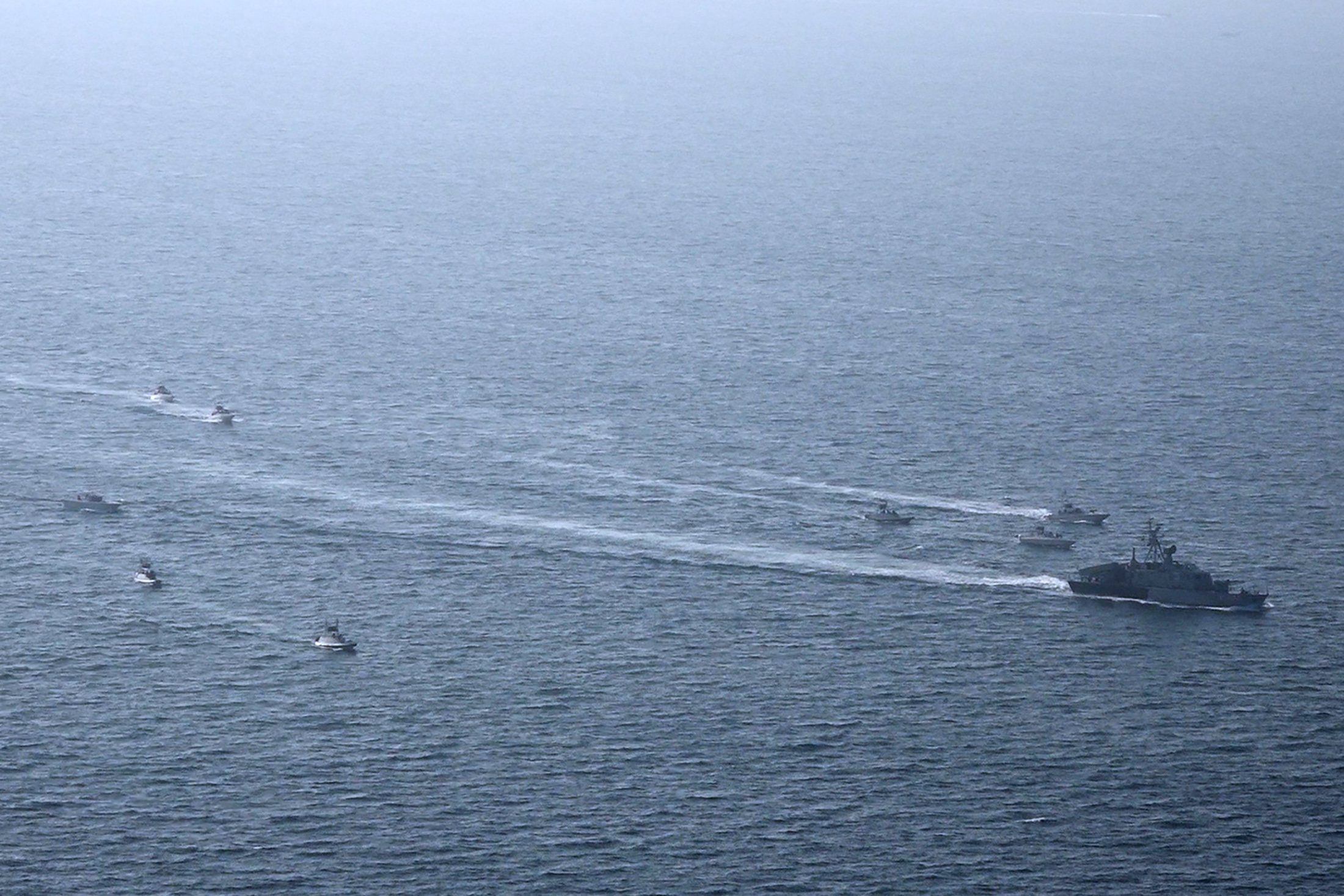
The main trigger came from news that Iran's Revolutionary Guard Corps was conducting naval exercises in the Strait of Hormuz, according to the semi-official Tasnim news agency. The strait is considered crucial as it carries about a fifth of the world's oil, so any military activity in the area tends to be immediately interpreted by the market as increased risk.
Despite the price increase, trading activity was thin. The number of Brent contracts changing hands reportedly fell to its lowest level this year, as US and Canadian markets were closed, and many Asian markets entered the Lunar New Year celebration week. This thin volume makes price movements more likely to spike or reverse direction if new headlines emerge.
On the diplomatic front, Iranian Foreign Minister Abbas Araghchi reportedly met with the head of the UN nuclear watchdog and discussed a "proposal" he will bring to indirect talks with US special envoy Steve Witkoff on Tuesday, according to Iranian state television. US Secretary of State Marco Rubio expressed hope that Washington and Tehran can overcome years of tensions and ultimately reach an agreement.
In addition to Middle East issues, Geneva is also scheduled to host Russia-Ukraine negotiations on Tuesday and Wednesday. However, the chances of a swift end to the conflict and a significant return of Russian supplies are still considered limited. ANZ analysts cautioned that the market is currently still clouded by geopolitical uncertainty; If Middle East tensions ease or there is significant progress in Ukraine, the risk premium attached to oil prices could be quickly "unwound" and trigger a sharp correction. (asd)
Source: Newsmaker.id