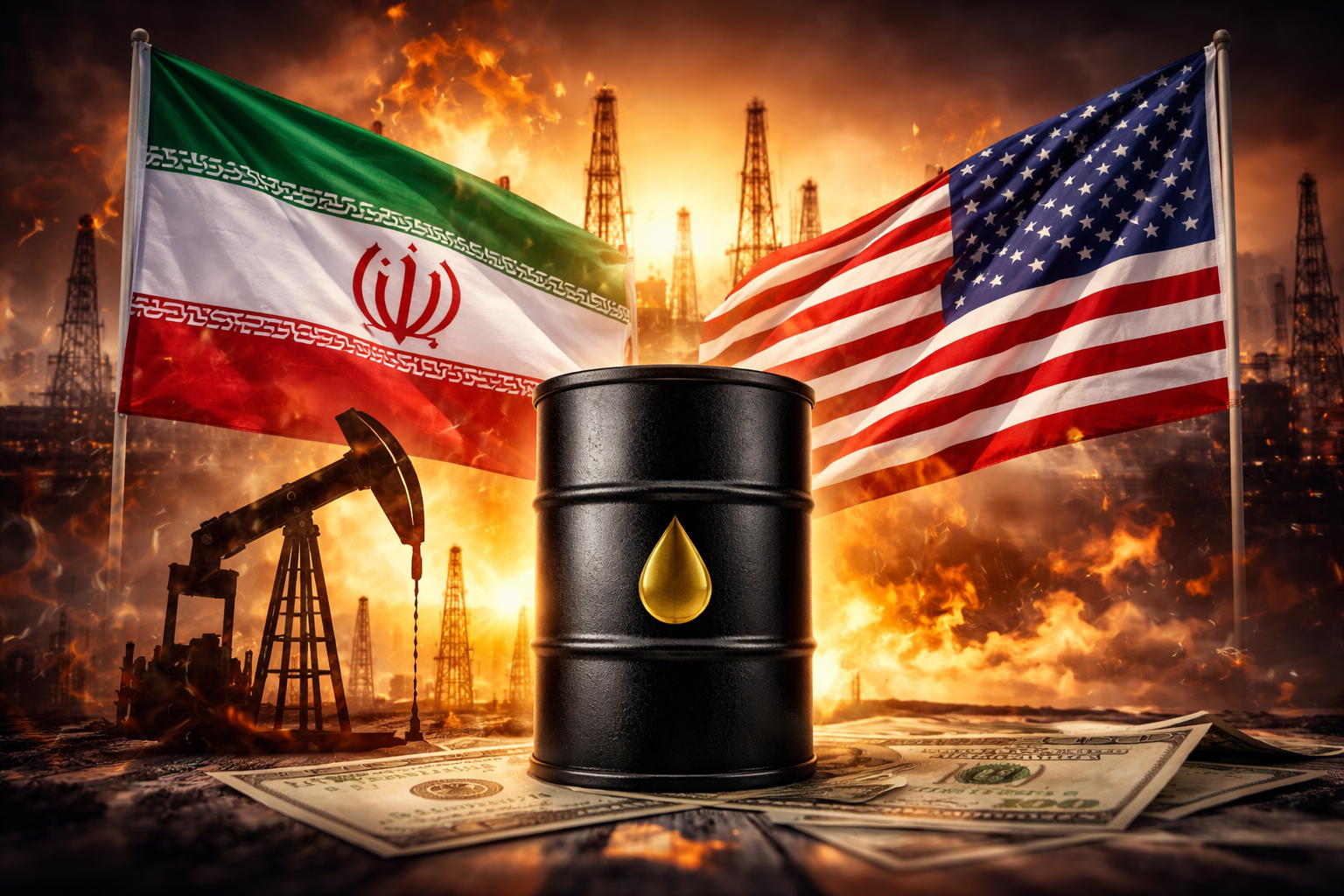
Iran–US Negotiations, Oil Remains Tense
Oil prices remained relatively stable on Wednesday (February 4), but tensions were palpable—as the market weighed two major catalysts simultaneously: Iranian geopolitics and signals of tightening US supply. Brent remained around $67.36/barrel (+0.04%), while WTI hovered around $63.33/barrel (+0.19%) in the latest update.
From a geopolitical perspective, market participants were monitoring plans for indirect US–Iran talks in Oman on Friday, with Iranian media reporting that the focus would be limited to the nuclear issue and sanctions relief. Meanwhile, tensions remained high as a series of recent incidents—from drone shootings to ship maneuvers in strategic waterways—made the risk premium difficult to fully dissipate.
A second catalyst came from inventory data. The API reported that US crude oil stocks fell by 11.1 million barrels last week—if confirmed by official EIA data, it would potentially be the largest weekly decline since June and typically provides a bullish boost to prices. The market is now awaiting the EIA release to determine whether this drawdown is purely due to strong demand or whether it's largely influenced by weather/production factors.
The bottom line: prices appear "calm," but that's because the market is holding its positions while awaiting certainty—whether Omani diplomacy will ease tensions and whether the EIA data will cement a tighter supply story. If the EIA confirms a large draw and the Iran headlines worsen, oil could easily rise again. If the opposite occurs (EIA shrinks + tensions ease), prices are vulnerable to a slight correction.
Source: Newsmaker.id