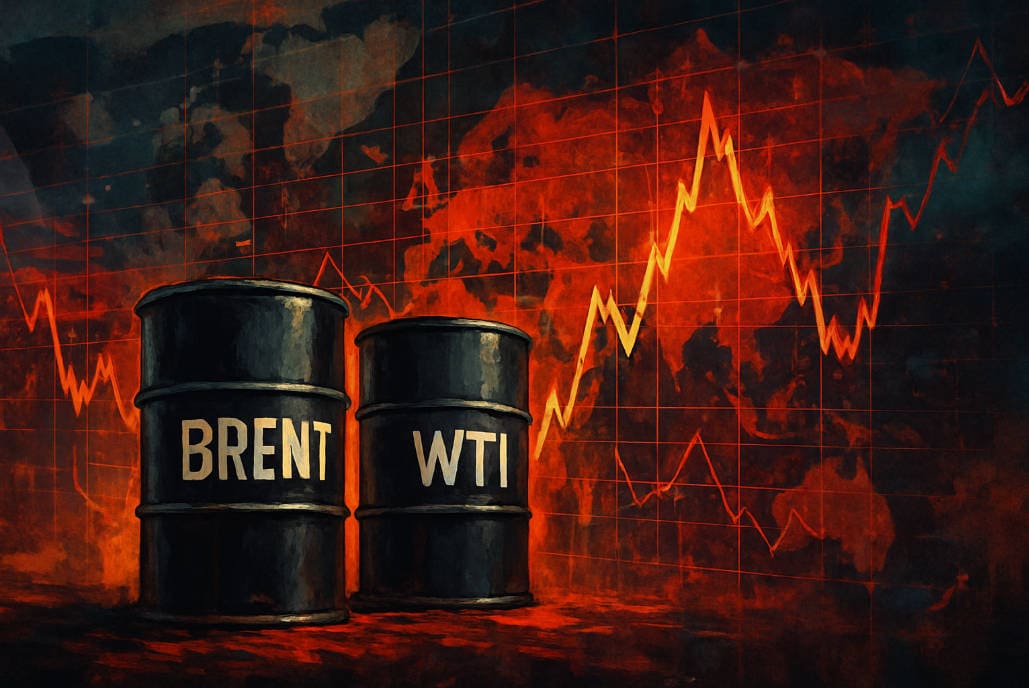
Oil Plummets, Hormuz Flows Surpass 10 Million Barrels per Day
Oil prices weakened again and moved below pre-war levels, as Saudi Arabia increased crude exports toward normal levels. This recovery in supply flows from the Persian Gulf has heightened market concerns about a potential global oil surplus.
Brent oil fell to nearly US$70 per barrel in London, hitting its lowest level since the week before the Iran war began on February 28. Meanwhile, US West Texas Intermediate, or WTI, weakened to nearly US$67 per barrel.
According to ship tracking data compiled by Bloomberg, Saudi Arabia has managed to load nearly 90% of its previous crude oil levels after resuming shipments from the large Ras Tanura terminal late last week. This recovery is similar to the United Arab Emirates, which had previously returned oil exports to pre-conflict levels above 3.9 million barrels per day.
A US official estimated that oil supplies through the Strait of Hormuz have now reached more than 10 million barrels per day. This has eased concerns about energy supply disruptions and reduced the risk of a spike in oil-price-driven inflation.
However, the surge in new supply comes as a number of emergency wartime measures are still in place, including the release of oil reserves and low imports from China. Brent's price structure is also in a bearish contango pattern, indicating a short-term oversupply, while physical oil premiums have also fallen in recent days.
Natasha Kaneva, head of commodity research at JPMorgan Chase & Co., believes the market will face a surge in new oil supply. According to her, this increase in supply has the potential to clash with market conditions that currently do not require large amounts of additional oil. Brent also continues to weaken after recording its biggest quarterly decline since the 2020 pandemic, with a correction of more than 40% from its peak during the height of the war.
Source: Newsmaker.id