Gold Prices Stable, Market Awaits US-Iran Peace Talks and Fed Signals
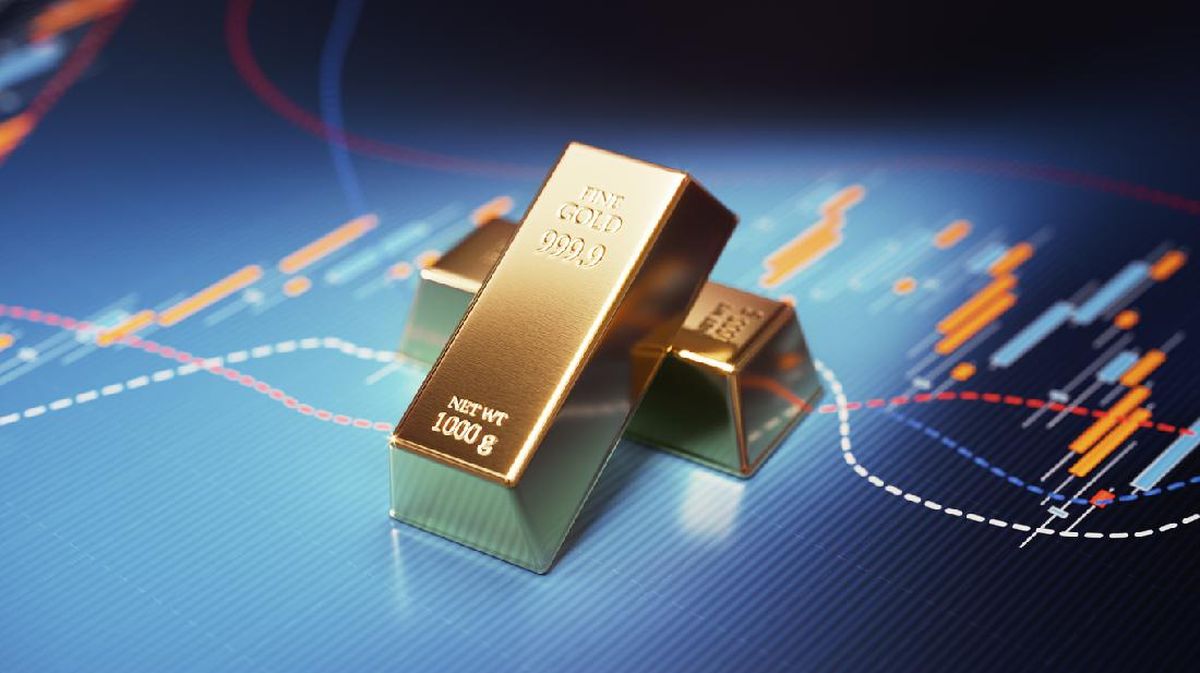
Gold prices moved steadily in trading on Tuesday (June 23, 2026) during the Asian session, after strengthening by almost 1% in the previous session. Spot gold was around US$4,190 per troy ounce, attempting to maintain its recovery after successfully halting three consecutive days of decline. This movement occurred as the market monitored the initial developments in peace talks between the United States and Iran, which had previously shaken global markets and fueled inflation concerns.
Positive sentiment emerged after both sides signaled progress in negotiations to end the conflict. US Vice President JD Vance said talks with Iran over the weekend were going very well, while Iranian officials also acknowledged progress in the diplomatic process. One key point of the talks was the establishment of a communication channel between Tehran and Washington to help ensure the safety of shipping through the Strait of Hormuz, a vital route for global energy trade.
In addition, the United States also issued a 60-day temporary license allowing Iran to sell some of its oil to the international market. This policy raises hopes that oil supplies from the Persian Gulf region will gradually recover. However, its impact on gold is not entirely one-way. On the one hand, the reduced risk of energy supply disruptions could ease inflation. On the other hand, easing geopolitical tensions could also curb safe-haven demand for gold.
Analysts believe that the gold and silver markets are currently still heavily influenced by external factors, particularly oil prices, the US dollar, and central bank policy direction. Rhona O'Connell of StoneX Group believes that gold and silver are still hesitant to make decisive moves because their technical conditions are not yet fully strong, although some capital flows are starting to improve. This means that market players are hesitant to take large positions until there is clearer certainty regarding the continuation of the US-Iran peace process and the direction of global interest rates.
The greatest pressure on gold still comes from the Federal Reserve's hawkish stance. Fed Chairman Kevin Warsh signaled last week that the US central bank remains focused on controlling inflation, so the possibility of interest rates remaining high or even rising again remains open. This situation is a barrier for gold because the precious metal does not provide a yield. Furthermore, the US dollar, which has strengthened more than 1% since the last Fed meeting, also adds to the pressure, given that gold is traded in dollars.
Going forward, gold's direction will still be determined by a combination of three main factors: developments in US-Iran negotiations, oil price movements, and the strength of the US dollar. If peace talks continue and oil prices remain under control, inflationary pressures could ease and help gold sustain its gains. However, if the dollar continues to strengthen and the market becomes increasingly confident that the Fed will raise interest rates again, gold's upside potential will remain limited, even though prices remain at current high levels. (asd)*
Source: Newsmaker.id