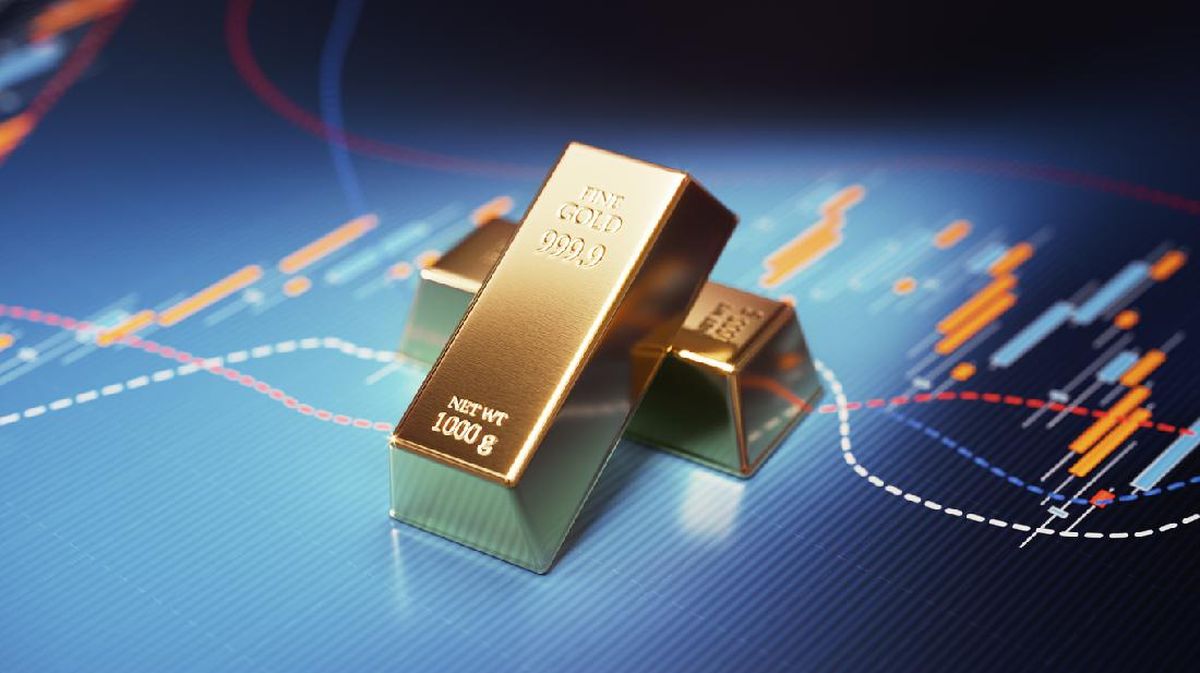
Gold Reversals Down, Dollar Surges as Middle East Conflict Widens
Gold prices weakened on Tuesday (March 3), reversing course after strengthening earlier in the session as a strengthening US dollar weighed on the market, while investors assessed the escalating Middle East conflict and the growing risk of oil supply disruptions. Spot gold fell about 1.2% to $5,265.12 per ounce at 07:24 GMT, after previously rising about 1% to $5,379.65/oz in early trading.
In the futures market, US gold futures were relatively stable at around $5,316.06/oz, as market participants continued to balance the safe-haven sentiment with pressure from a strong dollar. Gold itself had strengthened about 1% in the previous session, supported by hedging flows following a series of major military actions in the region.
Geopolitically, tensions escalated after a joint US-Israeli attack on Iran that triggered a retaliatory response from Tehran, raising concerns that the conflict could drag on and spread regionally. Reuters reported that the security situation and logistics chains in the region are becoming increasingly sensitive to the latest developments, including their impact on flights and cross-regional economic activity.
Energy risks are a major market focus. Iran issued strong statements regarding the Strait of Hormuz, a crucial chokepoint for global oil flows, which has again increased the risk premium in energy prices. Furthermore, Reuters also reported shipping disruptions and incidents in the waterway, which have further heightened market concerns about disruptions to oil and gas shipments.
However, gold's short-term rally was restrained by a strengthening US dollar. The US dollar index (DXY) rose about 0.6% during European trading hours, after surging about 0.8% in the previous session to its highest level since late January—a condition that makes gold more expensive for non-USD buyers. This combination of a strong dollar and geopolitical uncertainty keeps gold in a two-way trade: supported by hedging needs, but limited by exchange rate pressures and interest rate expectations.
Source: Newsmaker.id