Gold Rushes Near $5,000—The World Begins to Look for New “Hedges”
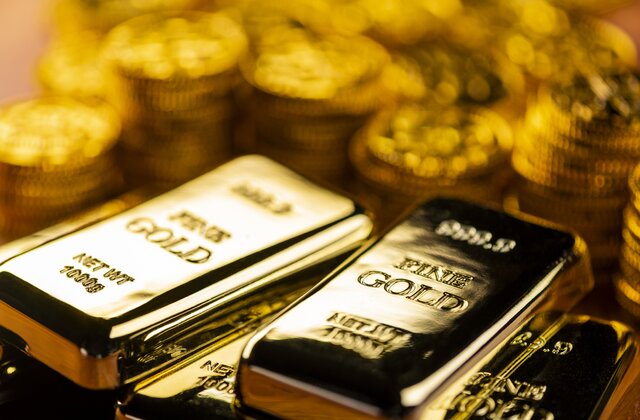
Gold prices are edging closer to the psychological level of $5,000 per ounce, driven by a combination of geopolitical risks and renewed concerns about the independence of the Federal Reserve. This rally feels different because the market is seeing many major changes that are difficult to quantify, but have a real impact on the direction of capital flows.
On Friday, gold briefly hit a record high above $4,967 and is poised to close the week with a gain of nearly 8%. The weakening dollar is also providing additional fuel, making the precious metal cheaper for buyers outside the US.
Some market participants say gold is undergoing a more permanent “reassessment” as cracks appear in the old global order. As the rules of the game and relations between countries become increasingly unpredictable, gold is again positioned as a hedge against the less easily quantifiable risk of “regime change.”
This rise comes after gold posted its best annual performance since 1979, then continued to rise by around 15% earlier this year. Trump's attacks on the Fed, coupled with escalations such as military intervention in Venezuela and threats to annex Greenland, reinforce the "debasement trade" narrative: investors are reducing their reliance on currencies and sovereign bonds and seeking alternative assets like gold.
On the other hand, there is a view that the gold supply side is not elastic enough to withstand the surge in diversified demand when US political and market tensions escalate. Because supply cannot be increased quickly, the price ceiling is considered more fragile when buying flows strengthen.
Projections from major banks have also reinforced the trend. Goldman Sachs raised its year-end gold price target to $5,400 per ounce from $4,900, citing continued strong demand from private investors and central banks amid global policy uncertainty.
For example, Poland's central bank—known for its aggressive gold buying—reportedly approved a plan to purchase an additional 150 tons to guard against geopolitical instability. At the same time, India's holdings of US Treasuries fell to a five-year low, reflecting a partial shift in reserves to alternatives like gold.
The rally has also spread to other precious metals. Silver is approaching $100 an ounce and has more than tripled in the past year, aided by a historic short squeeze and a wave of retail buying that has strained supply chains. Confusion over China's export licensing policy adds to the "scarcity" feel, while high volatility is leading banks to reduce positions, which, ironically, could fuel even more wild swings.
5 key points:
- Gold briefly reached a record high of over $4,967 and is targeting nearly $5,000/oz, supported by a weaker dollar.
- The weekly gain is nearly 8%, and gold is already up around 15% at the start of the year after its best annual performance since 1979.
- Market narrative: Geopolitical uncertainty and the Fed's independence issue are driving a "debasement trade" (flight from bonds/currencies to gold).
- Goldman Sachs raises its year-end forecast to $5,400/oz; central bank buying (e.g., Poland) is boosting demand.
- Silver and platinum are also breaking records; Volatility increased due to perceived scarcity, a short squeeze, and banks reducing positions. (asd)
Source: Newsmaker.id