Lisa Cook vs. Donald Trump Lawsuit: A Fierce Battle Over Fed Independence
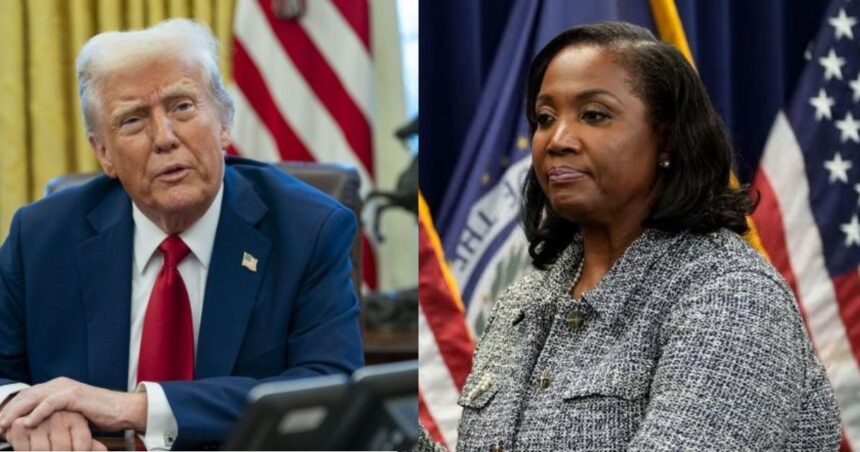
Federal Reserve Governor Lisa Cook has officially sued President Donald Trump in federal court after the president attempted to remove her from office. This lawsuit marks a new chapter in the political tensions between the White House and the US central bank, with major implications for the independence of monetary policy.
Cook asserted in the lawsuit that Trump lacked a valid legal basis for firing her. She argued that the alleged inconsistencies in the mortgage forms used as grounds for her dismissal had already been discussed during the 2022 confirmation process and therefore could not be used as a new basis. Cook also highlighted a violation of due process, as Trump announced her removal via social media without giving her an opportunity to defend herself.
A preliminary hearing in the case has been held in Washington federal court, but has not yet reached a decision. The judge believes this case could set an important precedent in determining the extent of the president's authority over independent officials at institutions like the Fed. Meanwhile, the Fed's Board of Governors has stated that it will not interfere in the legal process and will respect the court's decision.
This case has received widespread attention from academics. More than 450 prominent economists, including several Nobel laureates, signed an open letter supporting Cook. They believe his unjustified removal poses a threat not only to the individual but also to the Fed's credibility in maintaining monetary stability.
Meanwhile, Trump and Federal Housing Finance Agency official Bill Pulte have accused Cook of manipulating mortgage data on several properties, although no criminal charges have been filed. Pulte has even filed a referral to the Department of Justice for further investigation.
Analysts believe that if Trump succeeds in replacing Cook with an ally, the balance on the Fed's Board of Governors could shift drastically. This is feared to trigger a deadlock in monetary decision-making and pave the way for greater political intervention in the central bank. Many even predict this legal dispute could ultimately reach the Supreme Court.
Source: Newsmaker.id