Powell: Time for a U-Turn?
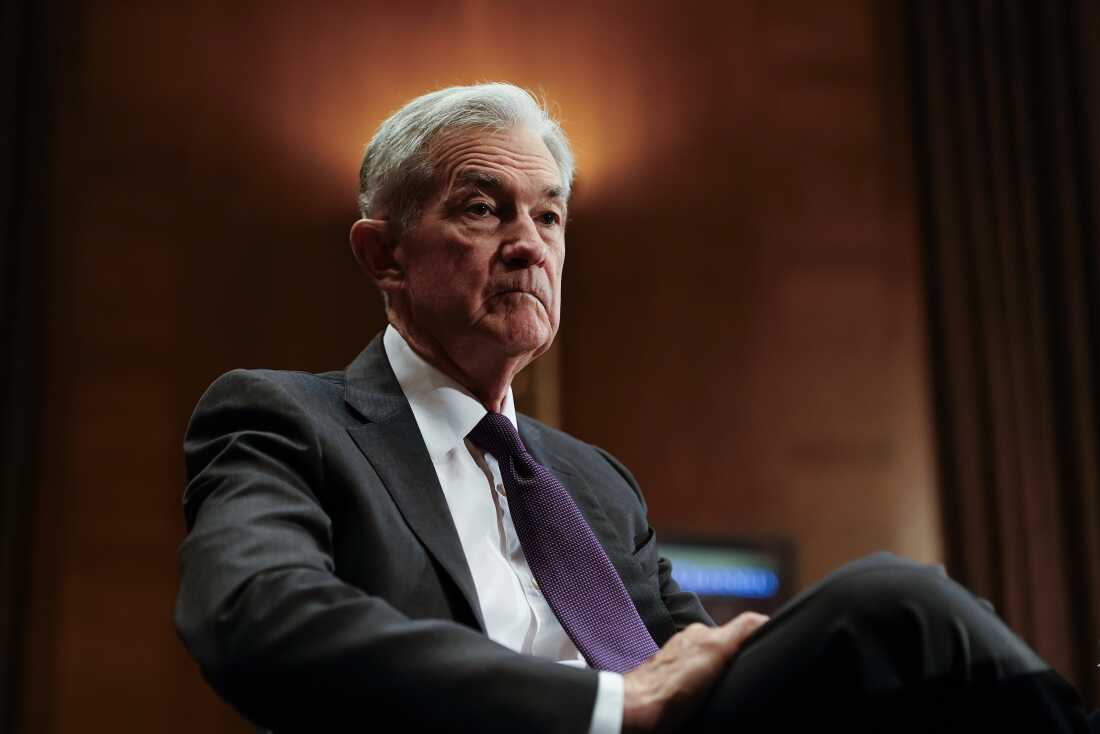
Fed Chairman Jerome Powell assessed that the US economy remains resilient: the job market is near its maximum, inflation has fallen well from its peak, but the balance of risks is shifting. In his speech on "Monetary Policy and the Fed's Framework Review" in Jackson Hole, he stated that current policy remains restrictive and that changes in the outlook could require policy adjustments.
Powell outlined new challenges this year: higher tariffs in many trading partners, a slowdown in immigration that is depressing labor force growth, and changes in fiscal and regulatory policies. He emphasized that monetary policy can stabilize the economic cycle but does little to change structural factors.
The job market is described as being in a "strange equilibrium": payroll growth has slowed sharply in the last three months (averaging 35,000), unemployment remains low at 4.2%, and other indicators (quits, layoffs, and the vacancy rate) have weakened moderately. These conditions increase the risk of a job downturn—if things worsen, layoffs could rise rapidly.
First-half GDP growth fell significantly to 1.2% (vs. 2.5% in 2024), primarily due to slowing consumption. Some of the weakening reflects a slowdown in the supply/potential output side, not simply a demand cycle.
Tariff-driven inflation: headline PCE 2.6% yoy, core PCE 2.9%. Goods prices rebounded by +1.1% yoy; housing inflation fell, while non-residential services remained above a consistent pace of 2%. Powell's base case: the impact of tariffs is one-off (gradual), but he will not allow temporary price increases to become a persistent inflation problem.
Policy implications: Inflation risks are tilted to the upside, while employment risks are tilted to the downside—a challenging situation for a dual mandate. Interest rates are now 100 bps closer to neutral than a year ago, so the Fed will proceed cautiously and data-dependently. With restrictive policy, adjustments may be warranted if the outlook and risks point in that direction.
Key points:
• Tariffs are driving inflation, but the effect is expected to be temporary.
• The labor market is weakening in line with the shrinking labor supply.
• The Fed stands ready to adjust policy if employment risks increase.
• Decisions are not preset; they are driven by data and the balance of risks.
Powell also released a revised policy framework: removing the focus on ELB as a key feature, returning to flexible inflation targeting (ending the "makeup" strategy), reaffirming the importance of anchoring inflation expectations at 2%, and clarifying that employment can exceed the real-time "maximum" without automatically threatening price stability—but preemptive action remains possible if inflation risks rise. The Fed will publicly review this framework approximately every five years. (ayu)
Source: Newsmaker.id