Powell Hints at Interest Rate Adjustment
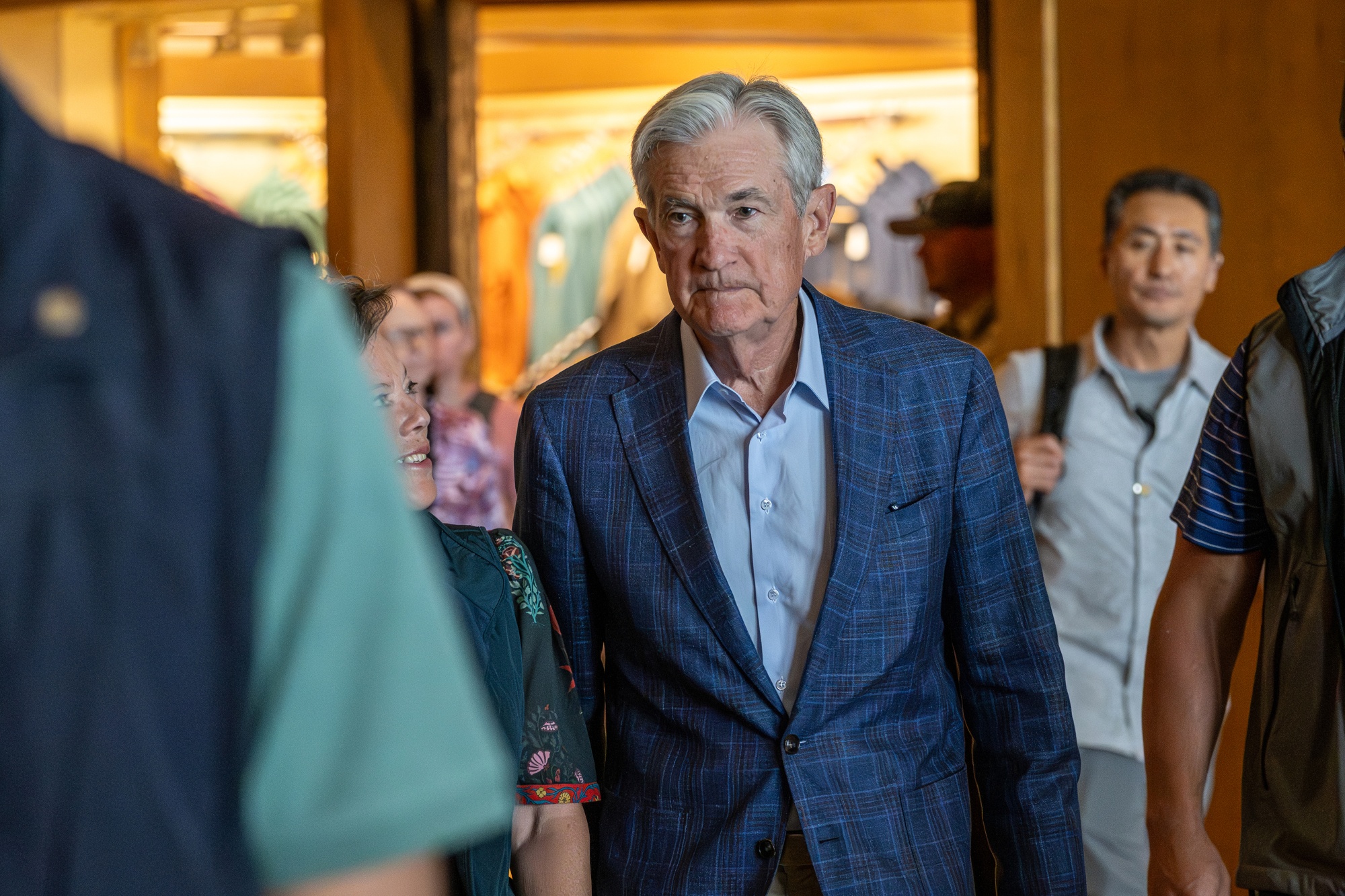
Fed Chairman Jerome Powell left open the possibility of an interest rate cut in September, while emphasizing that inflation remains a concern. He said current policy is quite restrictive, and shifts in the outlook and balance of risks could require adjustments to the policy stance.
This statement was not entirely in line with market expectations, which had previously pegged the chance of a cut next month at ~75%. Powell assessed the labor market as being in a "strange equilibrium" after data revisions made job growth appear weaker in recent months. He warned of the risk of higher layoffs and a rapid rise in unemployment if conditions worsen.
Furthermore, Powell highlighted the inflation risks from increased import tariffs under President Donald Trump. The impact on consumer prices is already visible, although potentially temporary. However, he warned that price pressures from tariffs could be more persistent and need to be managed within the framework of the Fed's dual mandate (price stability and maximum employment).
Financial markets responded positively: Treasury yields fell, the S&P 500 strengthened, and the dollar weakened. This speech came amid political pressure on the Fed, including Trump's calls for Governor Lisa Cook to resign—an issue Powell did not address in his speech and without a question-and-answer session.
Powell also outlined an updated framework. The Fed maintained its 2% inflation target but removed the tolerance for inflation above target (the 2020 approach). The phrase "short of maximum employment" was removed and replaced with an explanation that employment can exceed real-time assessments without automatically threatening price stability. The Fed emphasized that it would not raise interest rates simply because unemployment was low, but that it could still act preemptively if labor market tightness or other factors triggered inflation risks. (ayu)
Source: Newsmaker.id