Fed’s Hammack Says She Wouldn’t Cut If Meeting Were Tomorrow
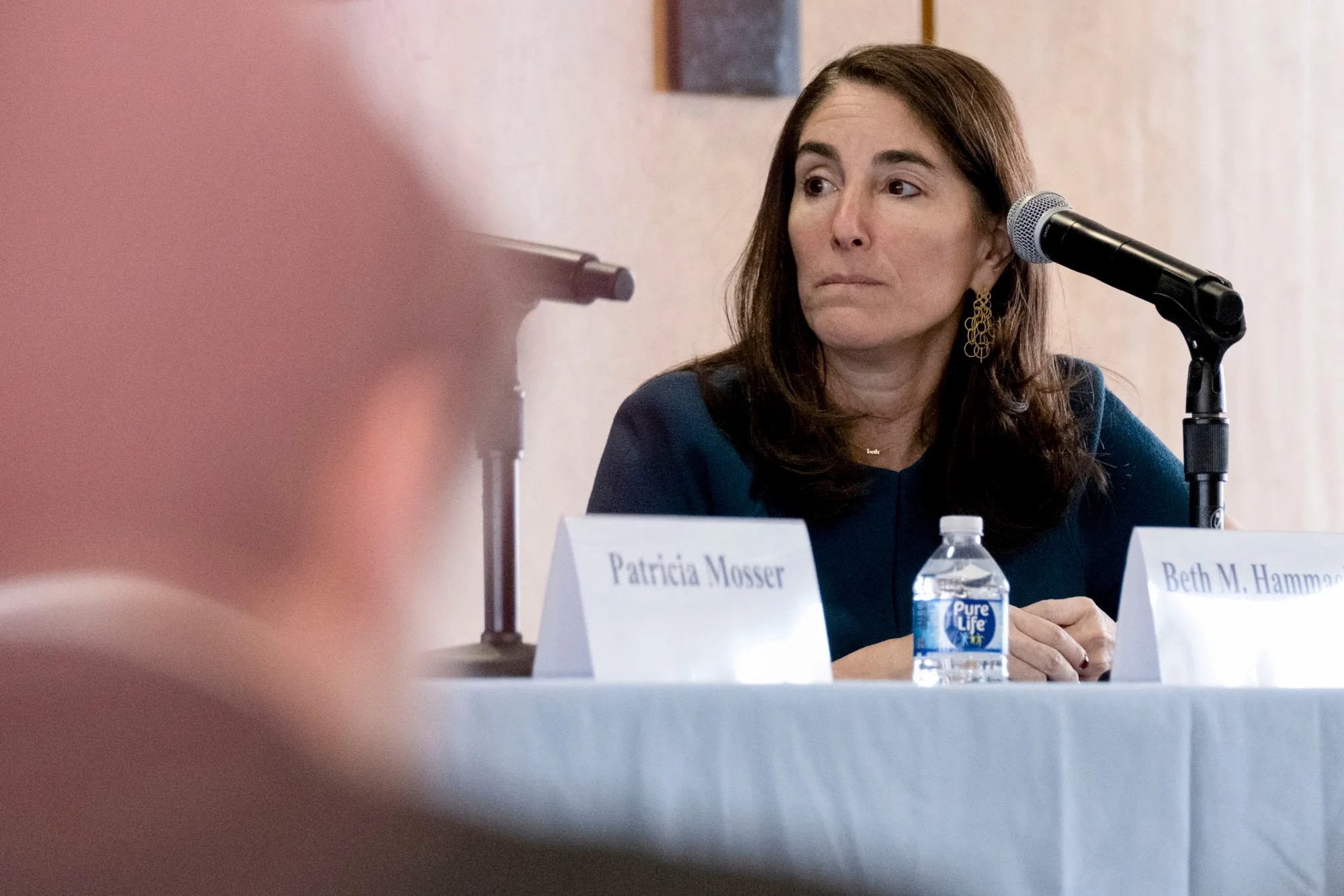
Federal Reserve Bank of Cleveland President Beth Hammack said she wouldn’t support lowering interest rates if central bankers were making a policy decision tomorrow.
“We have inflation that’s too high and has been trending upwards over the past year,” Hammack said Thursday during an interview with Yahoo! Finance in Jackson Hole, Wyoming. “With the information I have, if the meeting was tomorrow, I would not see a case for reducing interest rates.”
The comments from Hammack, who does not hold a vote on the Fed’s rate-setting Federal Open Market Committee this year, came as central bankers from around the world arrived in Jackson Hole for the central bank’s annual retreat in Grand Teton National Park.
Fed Chair Jerome Powell will deliver a hotly-anticipated speech Friday, and investors will be listening for any hints on what policymakers may do at their September policy meeting.
Other Fed officials speaking Wednesday and Thursday struck a similarly hawkish tone as Hammack. Atlanta Fed President Raphael Bostic said he still sees just one rate cut this year as appropriate. Jeffrey Schmid, president of the Kansas City Fed, said inflation risk still outweighs risks to the labor market.
Those comments echoed minutes of the central bank’s latest policy meeting in July, published on Wednesday, which showed most officials held the same view.
The Fed has held its benchmark rate steady this year on concerns that the Trump administration’s tariffs will stoke inflation. But concerns about the labor market are also building after the most recent jobs report revealed a substantial slowdown in hiring in the three months through July.
That report came out just after the Fed’s July 29-30 policy meeting, and may have shifted the Fed’s assessment of the balance of risks. But data on wholesale prices released last week also showed the biggest increase last month in three years, feeding concerns among those who are still worried about inflation.
Hammack acknowledged concerns over the labor market but said unemployment remained near her estimate of maximum employment. She added that the unemployment rate was the best indicator to look at because supply and demand for labor may be declining at the same time amid massive shifts in immigration policy.
“When I look at the balance there, to me, it’s important that we maintain a modestly restrictive stance of policy to continue bringing inflation back to target,” she said.
Fed policymakers next meet Sept. 16-17 in Washington, and investors expect the central bank to cut its benchmark by a quarter-point, according to futures.
Source : Bloomberg