Jackson Hole: Central Bankers Defend Powell
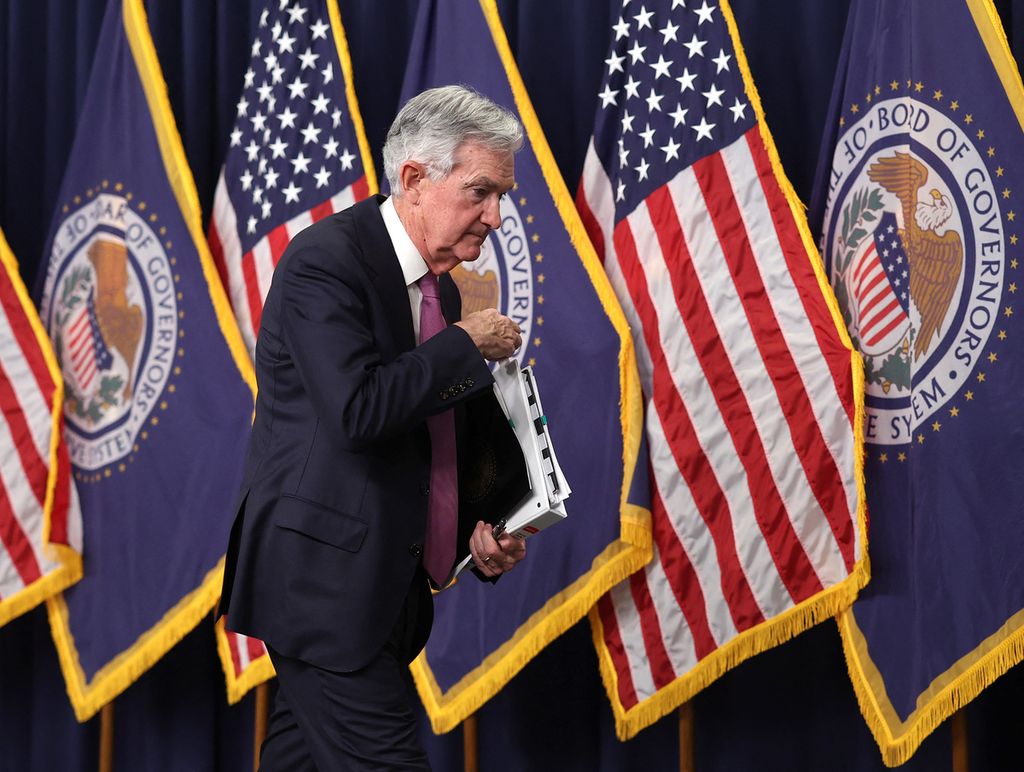
The world's central bankers gathered in Jackson Hole, Wyoming (August 21–23) not only to present research, but also to show support for Jerome Powell. The Fed Chairman is currently under intense criticism from Donald Trump for refusing to cut interest rates, with threats of being replaced when his term ends. A major concern: the erosion of central bank independence.
Key figures such as Christine Lagarde (ECB) and Andrew Bailey (BoE) are expected to voice open support for Powell. They consider pressure from politicians dangerous, especially if it can spread to countries with more fragile institutions. Bundesbank President Joachim Nagel asserted, "Independence is part of the DNA of central banks."
This support has been evident at other forums this year. At the BIS annual meeting in late June and the ECB's Sintra Conference in early July, the central banker community "rallied around Powell and the Fed," said Adam Posen of the Peterson Institute. Jackson Hole is seen as an opportunity to convey the same message—this time directly to a US audience.
In America, such a message was previously almost unnecessary. However, recent political dynamics have brought the issue of independence back to the forefront. The bottom line is simple: a central bank free from political pressure is better able to keep inflation under control, maintain policy credibility, and strengthen economic stability.
Key points:
Trump pressured Powell for not cutting interest rates quickly.
Lagarde and Bailey are ready to voice support for the Fed's independence.
Nagel (Bundesbank): Independence is in the "DNA" of central banks.
Similar support has emerged at the BIS and Sintra; Jackson Hole serves as a stage for the US audience.
The stakes: the credibility of monetary policy and long-term inflation stability. (ayu)
Source: Newsmaker.id