Fed’s Musalem Says Tariffs Will Likely Weigh on Growth and Jobs
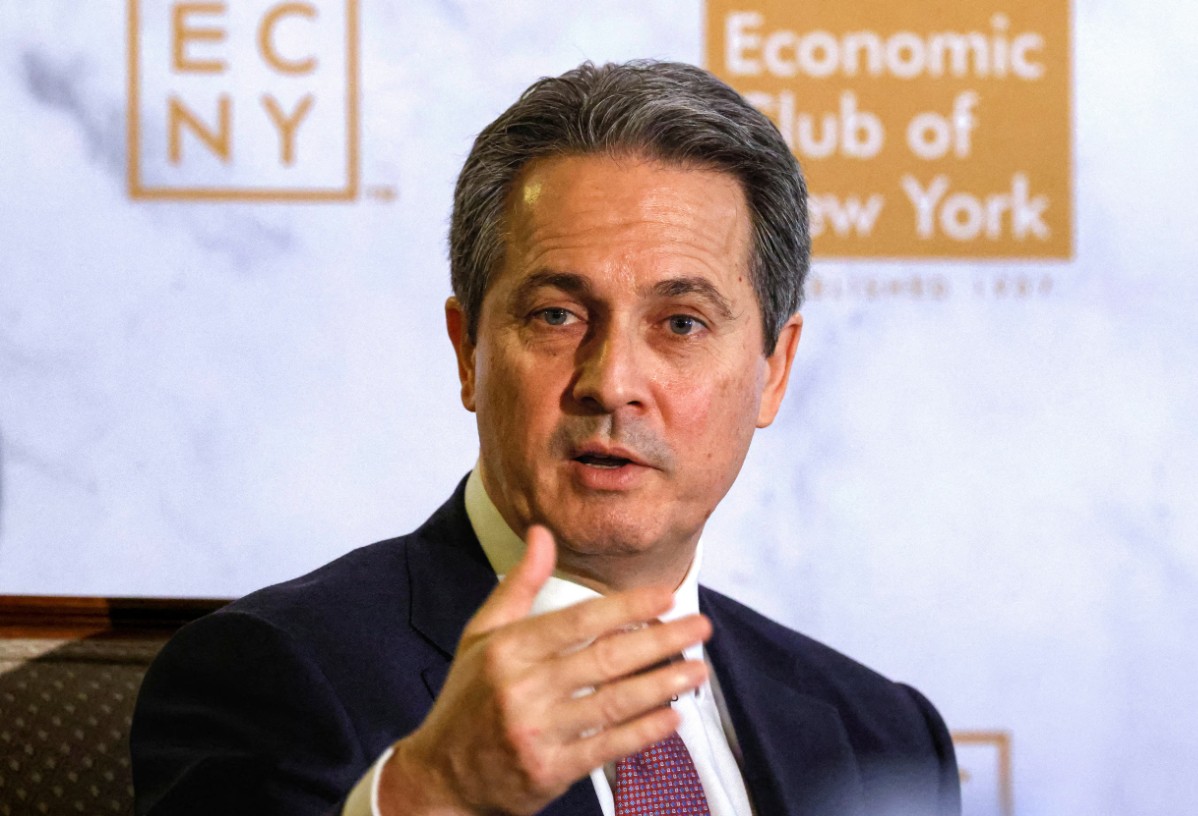
Federal Reserve Bank of St. Louis President Alberto Musalem said tariffs will likely weigh on the US economy and weaken the labor market.
“Even after the de-escalation of May 12, they seem likely to have a significant impact on the near-term economic outlook,” Musalem said in prepared remarks for an event in Minneapolis on Tuesday. Earlier this month, the US and China announced they would significantly lower tariffs on one another for 90 days while officials work to negotiate a trade agreement.
“On balance, tariffs are likely to dampen economic activity and lead to some further softening of the labor market,” Musalem added.
The St. Louis Fed chief said monetary policy is well positioned to respond to any changes in the economic outlook, while emphasizing officials should keep a close eye on inflation expectations.
Musalem said the Fed can deliver a “balanced response” to both inflation and employment as long as Americans’ outlook on future prices remains anchored at the central bank’s 2% target.
“This is a time to maintain the public’s confidence about keeping up the fight against inflation,” Musalem said.
The Fed has kept interest rates unchanged so far this year as it waits to see how the economy reacts to new policies on trade, regulation, taxes and immigration. For now, Musalem said the US economy continues to show “underlying strength.” While surveys show fewer businesses planning investments and hiring right now, financial conditions such as bank lending remain supportive, he said.
Musalem repeated that two inflation scenarios are equally likely — price pressures from tariffs could be short lived or they could be more persistent. Should successful trade negotiations lead to a de-escalation of tariffs, the economy could remain close to the path it was on previously, with inflation continuing to cool toward 2%, he said.
If inflation is only temporarily higher, the Fed could possibly ease to support the labor market, Musalem said. But that also carries risks.
“Committing now to looking through the inflation impact of tariffs, or to an easing of policy, runs the risk of underestimating the level and persistence of inflation,” he said. “I believe policy should prioritize price stability in the face of persistent inflationary pressures that threaten to dislodge long-term inflation expectations.”
Source : Bloomberg