Warsh Nomination Stalled, Political Conflict Overshadows Fed Chair
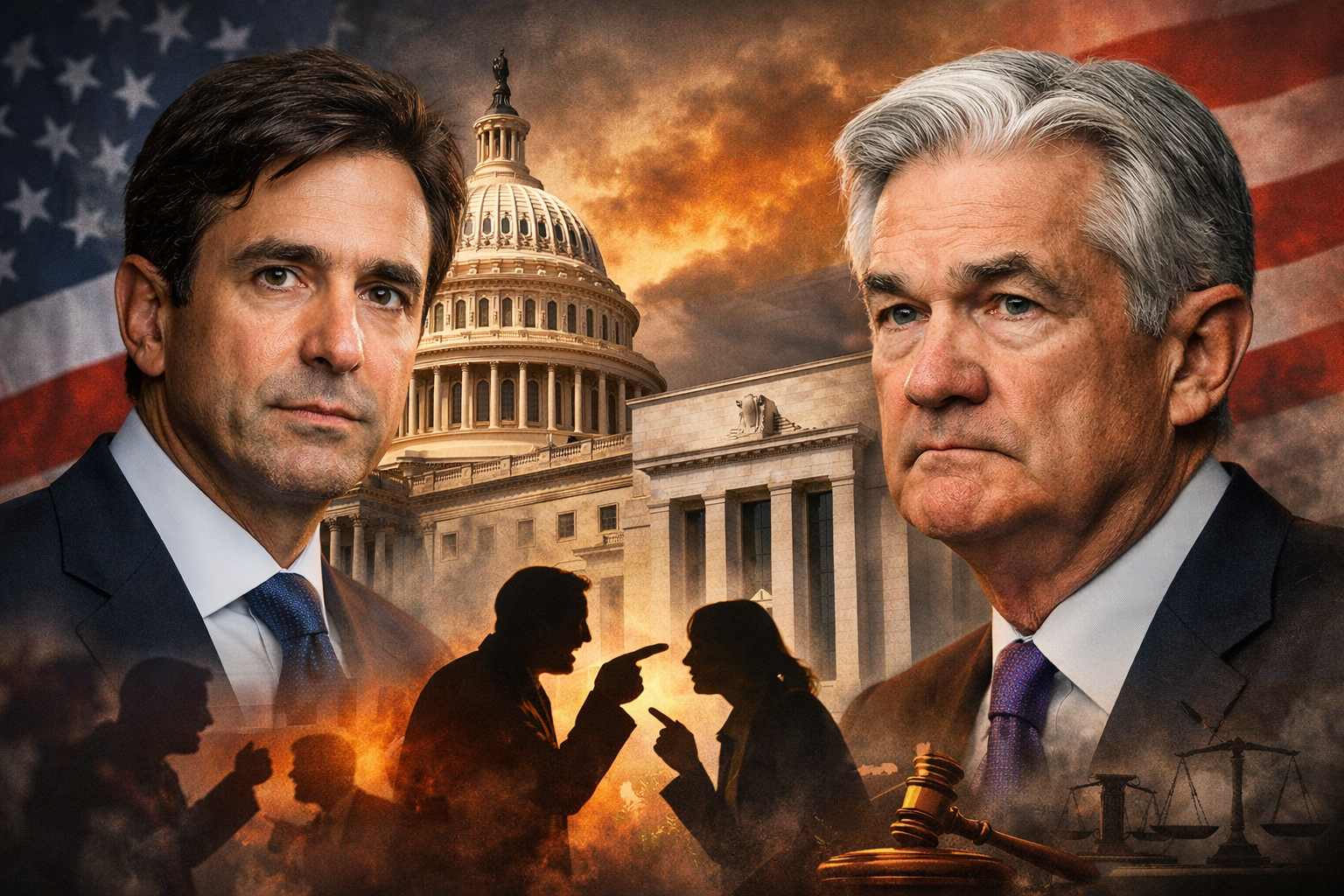
President Donald Trump's nomination of Kevin Warsh to be Federal Reserve chairman remains stalled amid ongoing clashes between Republican Senator Thom Tillis and U.S. Attorney for the District of Columbia Jeanine Pirro, with Jerome Powell's term as Fed chairman just weeks away. Reuters reports that Pirro is continuing her appeal of a judge's ruling dismissing a grand jury subpoena in the criminal investigation into Powell related to the renovation of the Fed building.
U.S. District Judge James Boasberg ruled there was no substantial evidence of wrongdoing by Powell and argued the investigation appeared to be a pretext to pressure the central bank to lower interest rates or force Powell to resign. The ruling further strengthens allegations of political interference in the Fed's independence, an issue currently at the center of a tug-of-war in Washington.
In practice, Pirro's decision to pursue the appeal has stalled the Warsh process. Tillis, who sits on the Senate committee that will review the nomination, has made it clear he will not support the advancement of any Fed nominee until the investigation into Powell is closed. This stance means Warsh's fate now hinges heavily on the speed of the appeal process.
Powell's term as Fed chairman ends on May 15, but his term as governor continues. This means that if the Senate fails to confirm Warsh before the June 16–17 FOMC meeting, Powell can still preside over the interest rate-setting meeting—a political irony that could potentially derail Trump's long-held goal of quickly replacing the central bank's leadership.
This case adds pressure to the issue of the Federal Reserve's independence, as Trump continues to push for changes to the direction of monetary policy and the composition of the central bank's leadership. With appeals still ongoing and resistance in the Senate unabated, the Fed chair succession process is now not just about the nomination, but also about how far political pressure can penetrate the institutional walls of the US central bank.
Source: Newsmaker.id