The Fed on the Edge of Politics: Justices Doubt Trump's Maneuvers
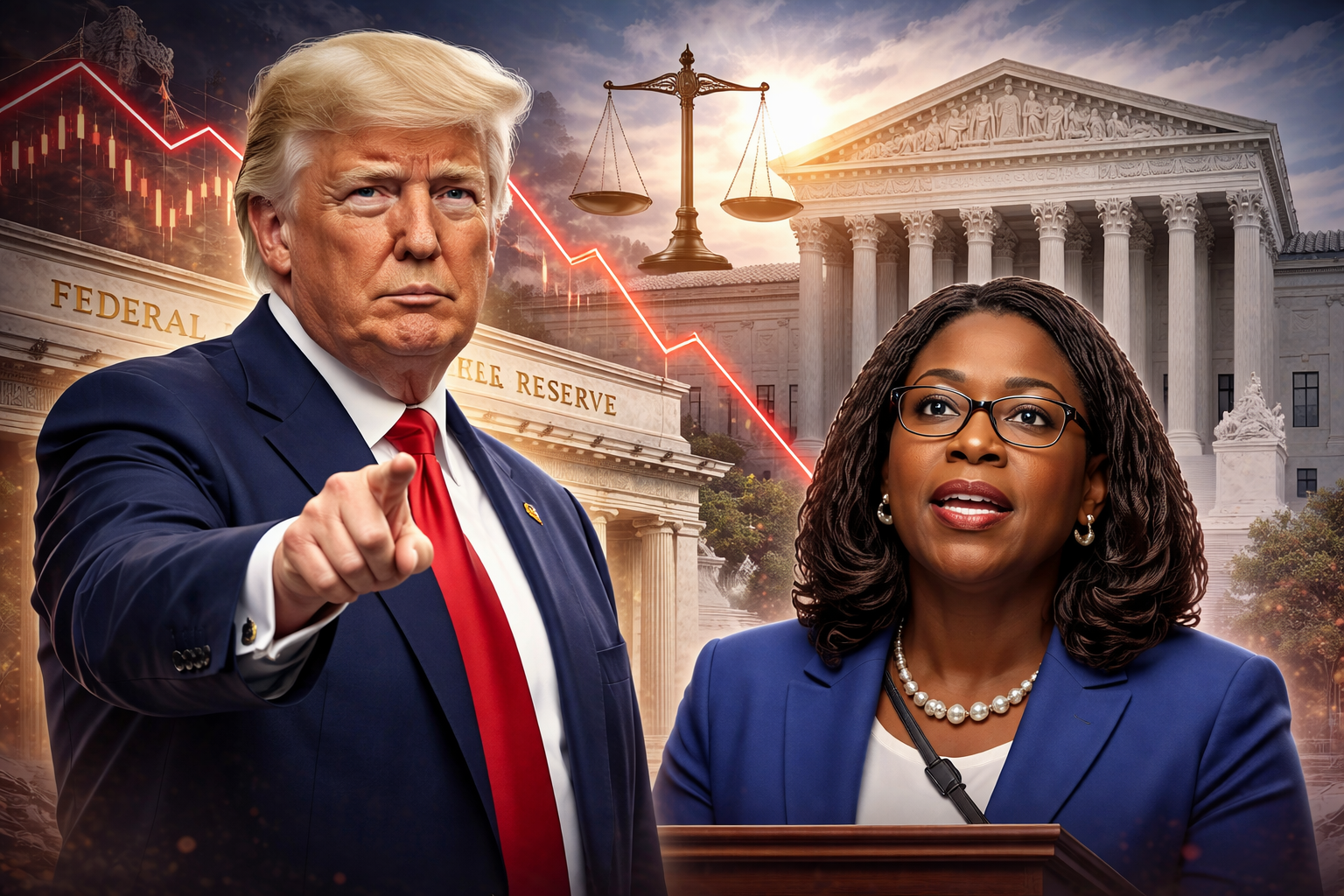
The US Supreme Court has strongly signaled its unease with President Donald Trump's move to fire Federal Reserve Governor Lisa Cook. The justices believe that if the president dismisses Fed officials too easily, it could undermine the central bank's independence and shake financial markets.
During arguments in Washington on Wednesday (January 21), skepticism emerged from both conservatives and liberals. They surrounded US Attorney General D. John Sauer, who asked the court to allow Trump to fire Cook while the lawsuit is still pending.
Interestingly, doubts also came from Trump's own appointed justices. Brett Kavanaugh argued that such a move could "weaken—and potentially destroy—the Fed's independence." Meanwhile, Amy Coney Barrett questioned whether the risk of market turmoil should make the court more cautious, though she also signaled she hadn't fully locked in Cook's favor.
This case presents a major test: how far the Supreme Court will distance the Fed from political pressure. The court has traditionally acted as a shield to prevent the central bank from being easily drawn into executive affairs. But the Cook case brings a new layer of complexity, as it involves the grounds for his dismissal and the procedures involved.
The stakes are significant. A bipartisan group of former Treasury secretaries, former Fed chairmen, and economists warned that a Trump victory could erode public confidence in the Fed and impair its ability to set monetary policy effectively.
The hearing also coincided with another sensitive issue: the Justice Department's criminal investigation into Fed Chairman Jerome Powell. Powell was present in the courtroom, as was Cook—a moment that added to the tension, as it involved the top US monetary institution.
One point the judges highlighted was why the process felt so expedited. Justice Samuel Alito questioned why all levels—the executive branch, the district court, and the appellate court—feel compelled to move quickly, even though the district judge had already blocked the dismissal and the DC Court of Appeals refused to lift the block.
Trump argued that Cook was the one who undermined the Fed's credibility. The government accused Cook of mortgage fraud: listing homes in Michigan and Georgia as his "primary residence" to obtain more favorable loan terms in 2021, before he joined the Fed. Cook denied the allegations, calling them baseless and using "cherry-picked" documents. His lawyers argued that any problems were at best accidental errors.
Cook's argument was simple: even if the allegations were true, they were not grounds for dismissal because they were unrelated to his performance or fitness to perform his duties as a Fed official. He also emphasized that there are procedural rights—including the opportunity to rebut the allegations—before being dismissed.
In conclusion, the Supreme Court has not yet issued a final ruling, but the signal is clear: many justices fear that this "tool" of dismissal, if unleashed now, will become a political weapon wielded by whoever is in power—and ultimately, the market will bear the risk.
Source: Newsmaker.id