Bailey: Conflict Prevents UK Inflation from Reaching Target
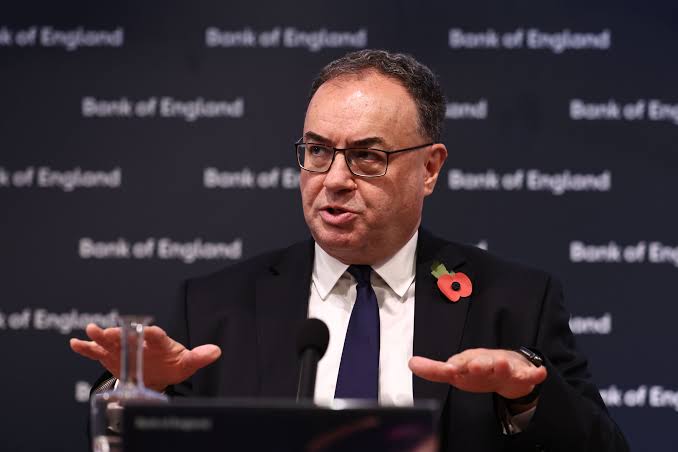
Bank of England Governor Andrew Bailey expressed frustration that UK inflation has failed to return to its 2% target due to the conflict, which has driven up pressure on energy prices. He made the remarks during a panel discussion at an economic conference in Aix-en-Provence, France, on Friday (July 3).
Bailey said he believes UK inflation could have reached 2% about a month ago if the conflict had not erupted. However, the surge in energy prices and its impact on the economy has kept inflation pressures persistently higher than the central bank's target.
UK inflation currently stands at 2.8%, still above the Bank of England's 2% target. However, Bailey emphasized that the central bank remains committed to bringing inflation back to target in the most sensible way possible to maintain long-term price stability.
Bailey emphasized that the BoE does not want to suppress economic output unnecessarily. He said the central bank's primary challenge is to reduce inflation without causing unnecessary damage to economic growth and business activity.
This statement indicates that the BoE is still trying to balance two major risks. On the one hand, inflation must be controlled so that it does not remain above target for too long. On the other hand, overly restrictive policies could further slow the UK economy.
Previously, the Bank of England (BoE) maintained interest rates at 3.75%. The central bank assessed that energy prices had subsided from their initial spike, but remained quite high due to the war in the Middle East. This situation makes the inflation outlook difficult to predict.
The BoE also warned that rising energy prices could spill over into household costs, business costs, and workers' wage demands. If such a knock-on effect occurs, it could make it more difficult for inflation to return to target and force the central bank to maintain a cautious stance for longer.
For the market, Bailey's comments signaled that an interest rate cut is still not a primary option in the near term. As long as inflation remains above target and the impact on energy is not fully clear, the BoE will likely remain cautious before changing policy direction.
Overall, Bailey emphasized that the Bank of England remains committed to bringing inflation back to 2%. However, this process must be carried out in a measured manner to achieve price stability without putting further pressure on the UK economy than necessary. (arl)
Source: Newsmaker.id