Hammack: The Fed Could Raise Interest Rates Again
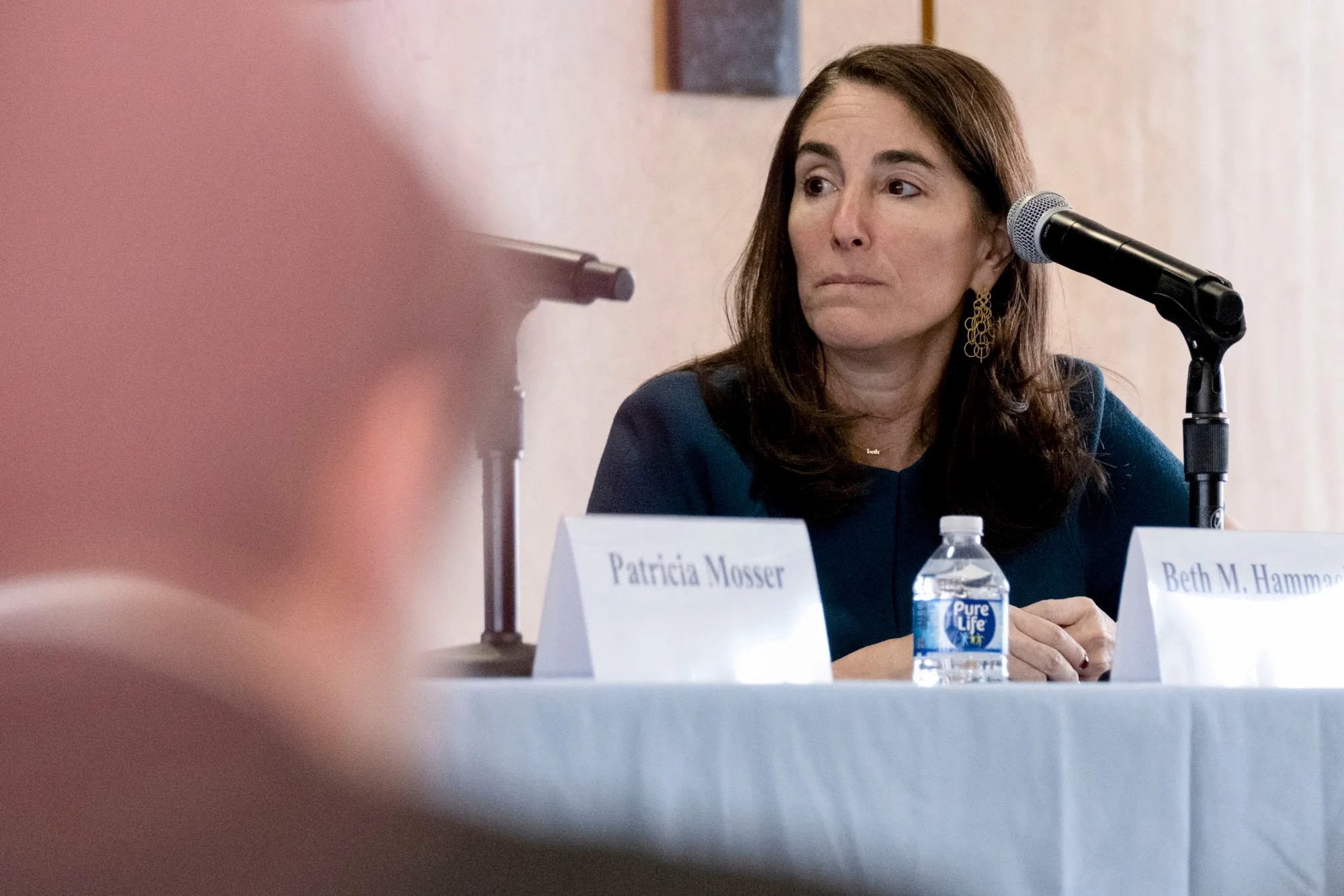
Federal Reserve Bank of Cleveland President Beth Hammack said the US central bank could still raise interest rates if inflation doesn't show a convincing decline. This statement reinforces the signal that the Fed hasn't completely closed off the scope for monetary policy tightening this year.
In an interview with CNBC on Tuesday (June 30), Hammack said she would maintain an open mind regarding any Fed interest rate decision. However, she emphasized that if inflation continues to remain high and current policies are insufficient to contain price pressures, the central bank may need to raise interest rates to bring inflation down.
Hammack believes that US inflation remains too high, especially core inflation, which excludes food and energy prices. She also emphasized that the inflation problem stems not only from energy prices but has spread to other sectors, including core services.
One of Hammack's main concerns is the high level of core services inflation. Price increases in the services sector are considered more difficult to reduce because they are related to wages, domestic demand, and corporate cost structures. This situation requires the Fed to be cautious before concluding that inflationary pressures have completely subsided.
Hammack also highlighted the massive investment in the artificial intelligence (AI) sector. He stated that strong capital spending on AI technology and infrastructure has contributed to upward pressure on inflation, particularly through the need for energy, chips, data centers, and a highly skilled workforce.
From an economic perspective, Hammack assessed that the US labor market remains near full employment, while economic growth appears strong. If consumption data remains solid, he believes the Fed's current policy may not be restrictive enough to reduce inflation to its 2% target.
The Fed previously maintained interest rates at its meeting this month. However, central bank officials still expect a rate hike by the end of the year, as inflation remains above target. This situation makes the market sensitive to any comments from Fed officials.
Consequently, the US dollar remains supported by expectations of higher interest rates for a longer period. The greenback is even heading for its biggest monthly gain in almost a year. A stronger dollar can pressure gold prices by making the precious metal more expensive for foreign buyers.
For the gold market, Hammack's comments are negative because rising interest rates would increase the appeal of interest-bearing assets such as bonds. Non-yielding gold tends to come under pressure when yields rise and expectations of tighter monetary policy grow.
Overall, Hammack's statement suggests that the Fed's policy direction remains highly data-dependent. If core and services inflation remain high, the likelihood of another interest rate hike could increase. However, if price and consumption data begin to weaken, the Fed will likely maintain a cautious stance before taking further action. (arl)
Source: Newsmaker.id