RBA Confirms Inflation Is Too High, Risk of Interest Rate Hikes Strengthens
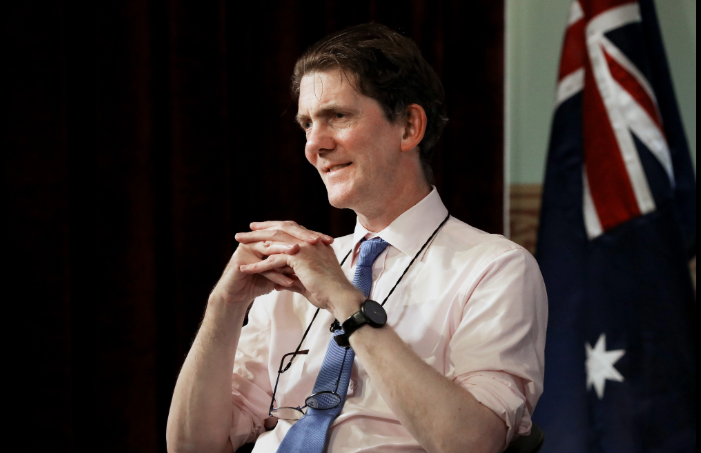
The Reserve Bank of Australia (RBA) emphasized that inflation remains "too high" and that interest rates need to remain at a consistent level to return inflation to its 2-3% target, amid a surge in energy prices related to the Iran war that has depressed consumer and business confidence. RBA Deputy Governor Andrew Hauser, speaking in New York, called the oil surge a significant income shock for Australia.
Hauser warned policymakers to be aware of the risk that medium- to long-term inflation expectations are shifting upward. He emphasized that interest rates "must" move toward a level that brings inflation back to target, and if that means higher rates, then they could be raised, while stressing that the central bank will monitor this energy shock closely.
The statement underscored the RBA's readiness to tighten policy further, as inflation was deemed stubborn even before the Middle East conflict. The RBA has raised interest rates twice in a row this year, bringing the cash rate to 4.1%, and money markets have raised the odds of a third hike at next month's meeting to around 72% from 69% the day before.
Pressure on sentiment was evident in Tuesday's data: consumer confidence fell 12.5% in April, the largest monthly decline since the start of the Covid-19 pandemic, while business confidence plunged 29 points, the second-largest monthly decline in the survey's history. Hauser called the central bank's "nightmare" scenario a "nightmare" scenario where inflation rises alongside weakening activity, as it would complicate policy decisions significantly, although he noted that private consumption is still growing at a relatively low rate.
On the energy front, oil volatility has increased since the conflict began, and global supply disruptions have fueled debate over whether the RBA should raise interest rates at its May 4-5 meeting. The Australian government responded to the fuel price spike with a fuel tax cut to help ease inflationary pressures. Looking ahead, the market awaits the release of first-quarter inflation figures at the end of April, along with updated RBA staff projections, followed by mid-April employment data and consumer spending indicators as key indicators of future policy direction. (asd)
Source: Newsmaker.id