Kansas City Fed President Warns of Remaining High Inflation Threat
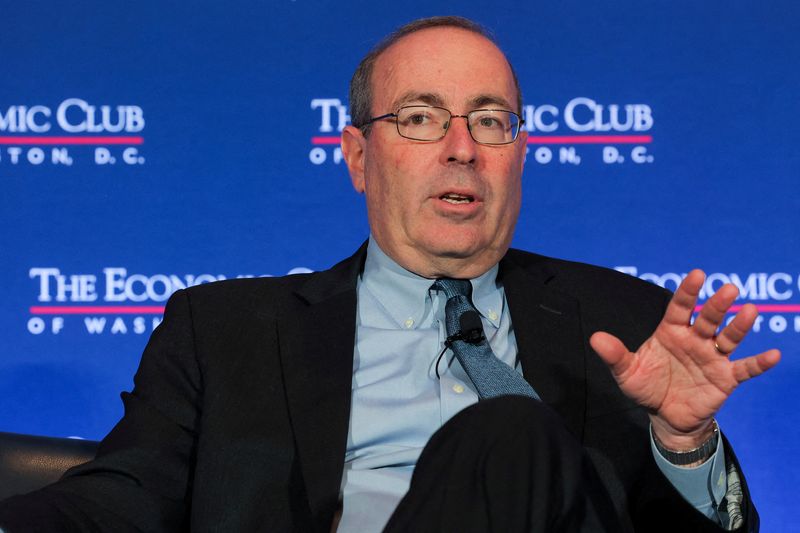
Kansas City Federal Reserve President Jeff Schmid warned on Tuesday (March 31) that assumptions about energy prices having only a temporary impact on inflation need to be reexamined. Inflation was already approaching 3% even before the Iran war triggered a surge in oil prices, and efforts to achieve the Fed's 2% inflation target have been hampered.
Schmid expressed discomfort with the seemingly "stable" long-term stability of inflation and emphasized that the Federal Reserve's current task is to pursue policies that ensure inflation expectations remain contained. "We cannot afford to be complacent about the risks to inflation expectations," he said in remarks prepared for delivery to the Oklahoma City Rotary Club.
While Schmid did not specify what policy actions would be taken, he has previously opposed the Fed's decision to cut interest rates to support a labor market he believes is already balanced. Financial markets last week reflected growing expectations that rising oil prices could force the Fed to raise interest rates earlier this year, although this week the market outlook pointed to a decision to keep rates unchanged.
Although many of Schmid's colleagues at the Federal Reserve, including Chairman Jerome Powell, have expressed similar concerns about the potential for a spike in oil prices to disrupt inflation expectations, they generally agree on a "wait and see" approach, while keeping an eye on risks to growth and the labor market, particularly if consumers begin to cut back on spending to cover gasoline costs.
However, Schmid believes the impact of higher oil prices will only be a "moderate drag" on economic growth and notes that higher tax refunds this year could offset the negative impact of higher gas prices on consumption.
"The resilience of the U.S. economy should not be underestimated," he stressed. Nevertheless, Schmid stated that the impact of the oil price spike on inflation is clear and will raise both headline and core inflation, which the Fed considers a stronger signal of future inflation trends.
Schmid emphasized the importance of balancing the Fed's two goals: stable inflation and low unemployment, which sometimes require different policy responses. "When I weigh those trade-offs, I focus more on the current inflation risks," Schmid said.
Source: Newsmaker.id