Ahead of the Fed's Transition, Policy Uncertainty Increases
Global markets are beginning to shift their focus to a major issue that has the potential to change the direction of US monetary policy: the end of Jerome Powell's term as Federal Reserve Chairman in May 2026. Although Powell could remain on the board until 2028, the change in chairmanship is considered significant enough to influence future policy direction.
For investors, this change is not just a simple leadership rotation. The market sees the potential for a change in policy approach, especially amidst rising inflationary pressures due to surging energy prices and global geopolitical tensions.
So far, the Federal Reserve has maintained its interest rate range in the 3.5%–3.75% range, with a cautious stance regarding the possibility of easing. Market expectations are also beginning to shift, with a rate cut expected only in the second half of 2026, as inflation risks have not yet fully subsided.
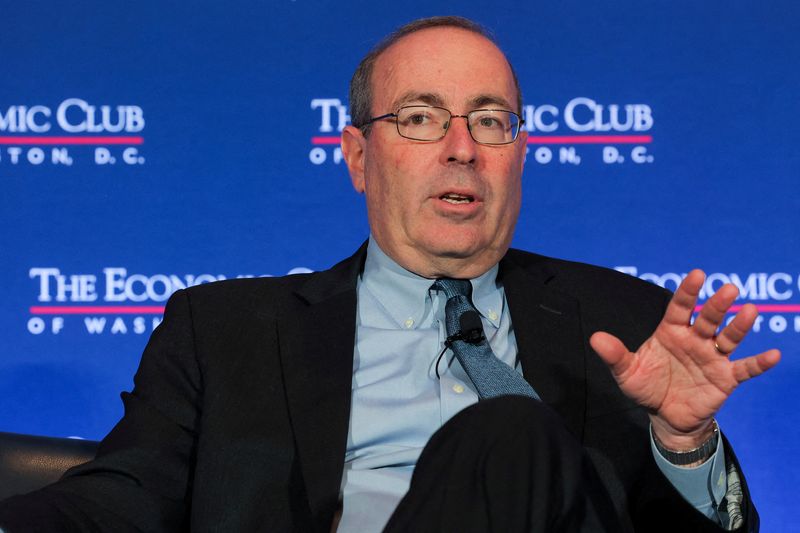
However, the main focus is now on who will replace Powell. Names such as Kevin Warsh are increasingly being mentioned as potential candidates. If a figure with a different approach is indeed elected, the market believes the Federal Reserve's policy could shift, not only in terms of interest rates, but also in liquidity management and the central bank's balance sheet.
Furthermore, the issue of central bank independence has also returned to the spotlight. As political pressure on the direction of monetary policy increases, investors are beginning to question whether the Federal Reserve will maintain its previous independent stance or become more aligned with the government's agenda.
This uncertainty has made the market tend to be defensive. Investors are not only awaiting the next interest rate decision but also trying to anticipate how the new leadership style will shape medium-term policy.
Impacts to Watch Out For
1. Interest rate direction could change sooner or later
A change in chairman has the potential to change the timing of monetary policy, particularly regarding when easing begins.
2. Dollar volatility and yields will increase
Changes in expectations about the Fed's policy are usually directly reflected in movements in the US dollar and bonds.
3. Growth and technology stocks are the most sensitive
These sectors are highly dependent on interest rate direction, so policy changes can have a significant impact on valuations.
4. Global liquidity could also change
If the new approach to managing the Fed's balance sheet is more aggressive, global markets could feel the impact through changes in liquidity flows.
5. Global sentiment is more volatile
Uncertainty about the direction of US policy will make global markets more responsive to any comments or signals from Fed officials. (CP)
Source: Newsmaker.id