Trump Pressures Fed, Powell Remains Idle
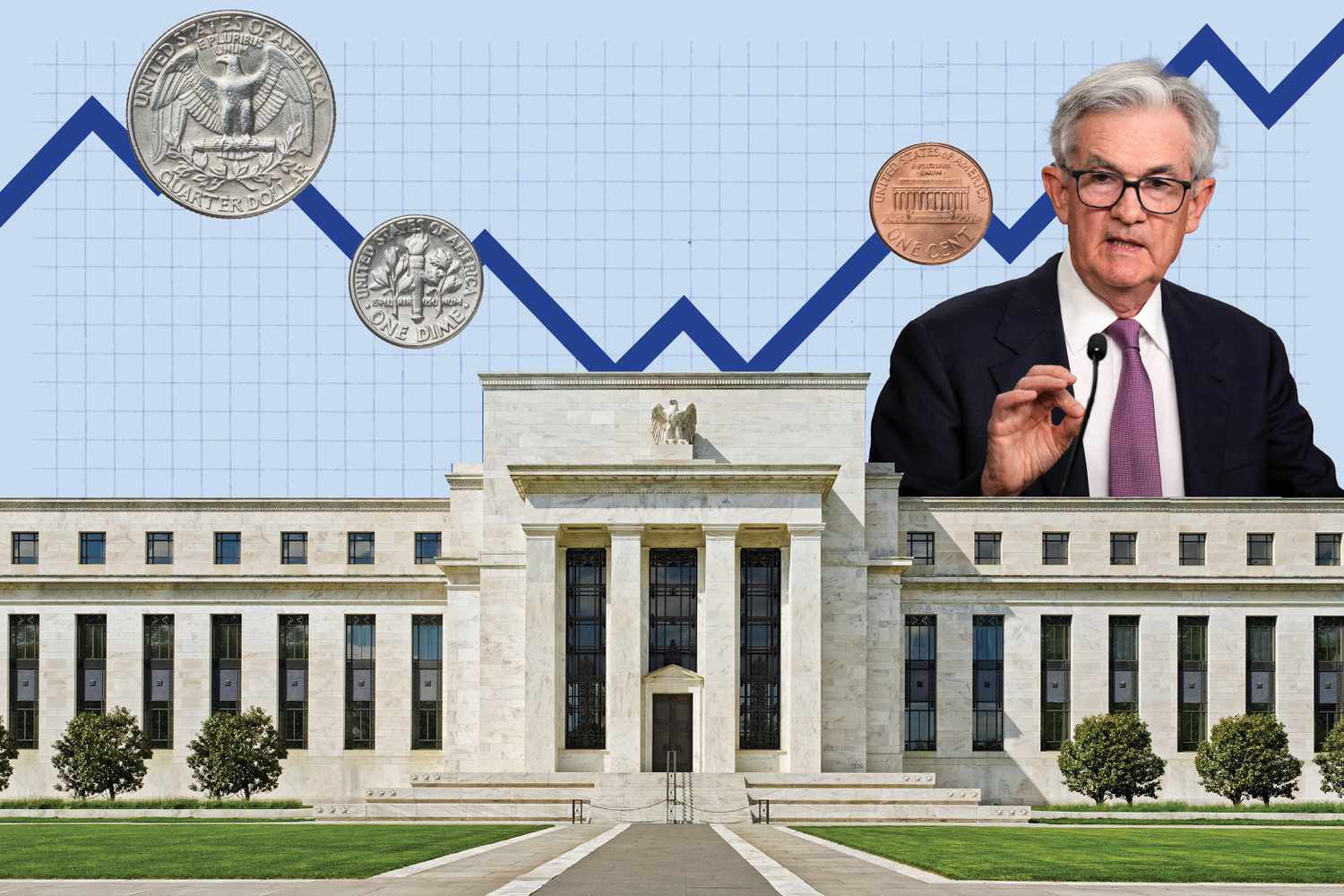
Ahead of the appointment of a new Federal Reserve (Fed) Chair, the Donald Trump administration is again increasing pressure on Jerome Powell. This move has sparked a strong reaction in Washington and risks thwarting the White House's ambitions to tighten its influence over the central bank. Tensions escalated after the Fed received a subpoena signaling the threat of criminal prosecution.
Powell, who has tended to be reserved, this time appeared more assertive. For the first time, he publicly accused an attempt to gain control of monetary policy through political means. According to Powell, what is at stake is whether interest rates will be determined by the needs of the US economy—or by political “pressure and intimidation.”
To complicate matters for Trump, some Republicans themselves are concerned. A key senator on the Banking Committee has suggested he could hinder the process of appointing Powell's successor. At the same time, Powell also has the option to remain on the Fed board after his term as chair ends in May—meaning he could still be a “pivot of resistance” to the White House's desired new direction.
Financial markets have responded with mixed reactions. Investors saw two signals as triggers: an escalation of pressure from Trump, but also an unprecedentedly strong rejection of Powell. The impact, for now, appears limited: Treasury yields moved little, interest rate expectations remained unchanged, and US stocks managed to close the session at a record high.
On the other hand, this issue is considered sensitive because the Fed's independence is one of the reasons the dollar and US bonds serve as global benchmarks. If confidence in "policy independence" begins to erode, the risks could be greater: long-term borrowing costs could rise, market volatility could increase, and global capital flows could become more focused on US assets.
Support for Powell also came from outside the US. Several global central bank leaders—including Christine Lagarde (ECB) and Andrew Bailey (BoE)—expressed solidarity and emphasized the importance of central bank independence. Meanwhile, Trump insisted the president had not ordered an investigation, but maintained his right to threaten the Fed.
Most crucially, this legal action could backfire. Instead of resigning, Powell could choose to stay on the board until 2028 and become the center of opposition to his successor. Furthermore, the confirmation process for Powell's replacement could potentially become even more difficult if the Senate withholds approval until these legal issues are resolved. In such a situation, pressure intended to "control" the Fed could turn into a deadlock—and prolong market instability. (alg)
Source: Newsmaker.id