Longest Shutdown in Modern US History: Trump Pushes to Eliminate Filibuster to Open Government
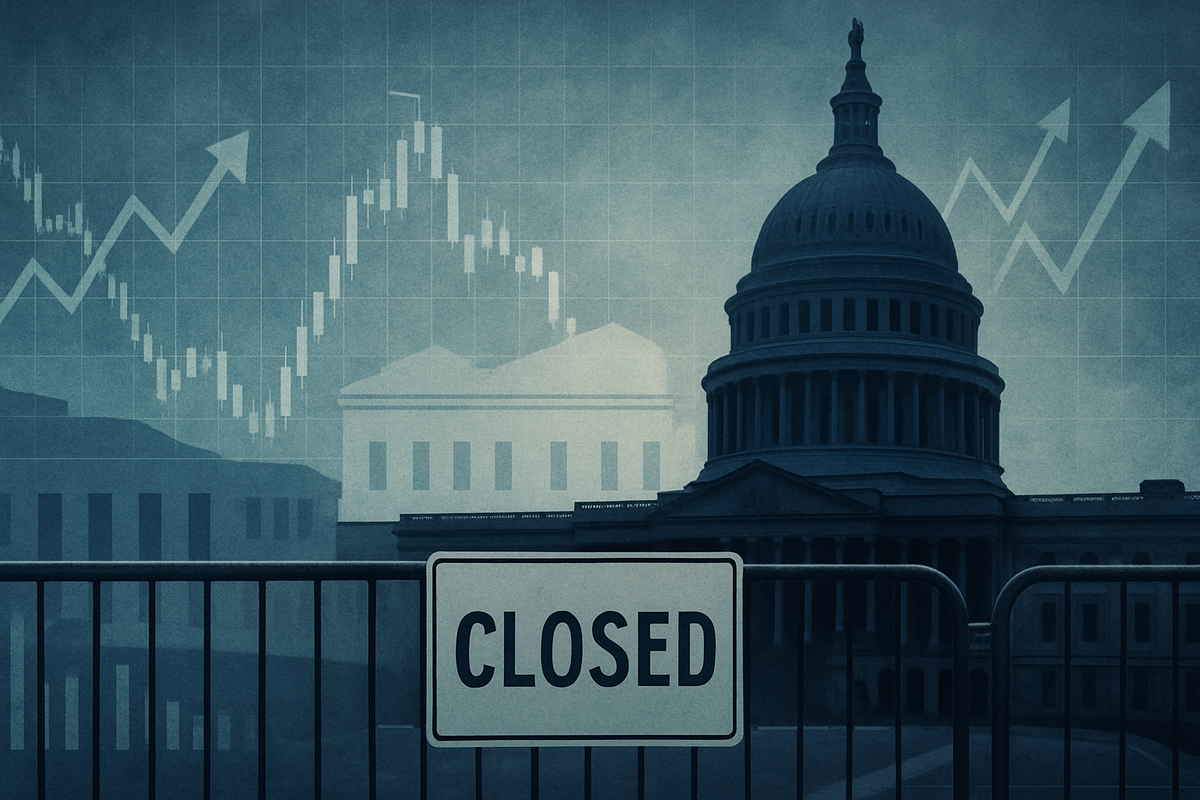
The United States government has entered its 34th day of shutdown, making it one of the longest in modern history. The budget impasse between Republicans and Democrats has yet to reach a resolution, while the impacts are beginning to spread across various sectors of the economy.
According to a report by the Congressional Budget Office (CBO), the government shutdown has the potential to reduce US gross domestic product (GDP) by up to US$14 billion if it continues through mid-November. The agency warned that each additional week of the shutdown could cost billions more dollars, including delayed paychecks for approximately 2 million federal employees.
Economy Under Pressure, Social Assistance Delays
The domino effect is beginning to be felt by the public. The SNAP food assistance program, which serves millions of low-income residents, is expected to experience distribution delays starting in early November.
"If funding is not approved soon, many families will have difficulty accessing their assistance next month," a US Department of Agriculture official was quoted as saying by CBS News.
In addition, non-essential government services such as scientific research, trade permits, and tax administration have also been delayed. Financial markets are also showing increased volatility as investors assess risks to US economic growth.
What Is the Filibuster, and Why Is It a Hamper?
The political deadlock in the Senate is largely caused by the filibuster rule—a mechanism that allows at least 41 of the 100 senators to block or delay legislation by prolonging debate.
In practice, this rule requires every bill to require 60 votes to advance to the final vote (cloture).
Under current conditions, Republicans, who control 53 seats in the Senate, cannot pass a funding bill without the support of at least seven Democratic votes. This is what is protracting efforts to reopen the government.
Trump Urges Abolition of the Filibuster: “It’s Holding Back the People!”
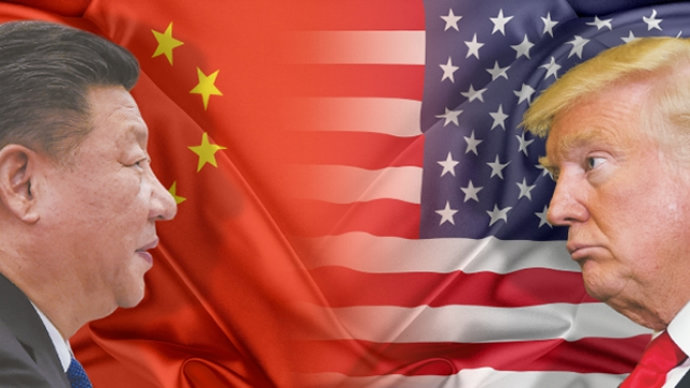
President Donald Trump has publicly urged Republican senators to abolish the filibuster rule so that funding bills can be passed with a simple majority (51 votes).
“This country cannot continue to be held hostage by a handful of senators who refuse to cooperate. The filibuster is irrelevant and only holds back the American people,” Trump stated at a press conference at the White House, as quoted by The Guardian.
Trump argued that eliminating the filibuster would expedite the resolution of the political deadlock and restore public services more quickly. He added, "If we want this government to work for the people, we have to get rid of the rules that are holding it back."
However, not all Republicans agreed with the move. Senator John Thune, a GOP leader, argued that eliminating the filibuster would set a dangerous precedent.
"The filibuster is part of the balance of power in the Senate. Without it, any majority would be able to impose its will without bipartisan dialogue," he said in an interview with Federal News Network.
Shutdown Impact and Political Risk
According to Reuters, as of the end of October, at least 850,000 federal employees had been temporarily furloughed, and thousands of private contractors had lost income.
Several major financial institutions, including Goldman Sachs and Moody's, have warned of the risk of an economic slowdown if the political deadlock does not end before mid-November.
The prolonged shutdown has also weighed on global sentiment, particularly as the US dollar and Treasury markets—usually benchmarks of stability—have begun to show volatility.
"Markets are now starting to factor in US political risk as a factor in the global economy, something that has rarely happened before," The Guardian wrote in its report.
Conclusion: Political and Economic Pressures Mount
With no compromise yet reached between the two sides, the US federal shutdown continues with no certain end in sight. Trump's proposal to abolish the filibuster has become a hot topic in the Senate, but opposition within his own party makes it unlikely that the move will materialize anytime soon.
Meanwhile, millions of Americans continue to wait for wages, aid, and basic services that have been delayed due to the political deadlock in Washington.
Economists warn that if not resolved soon, the domino effect of the shutdown could slow US economic growth and fuel global uncertainty in the coming months.
Source: Newsmaker.id