US Shutdown Update
Massive Layoffs Begin
The US government is implementing a mass layoff of more than 4,200 federal employees across various departments, including the Treasury, Health & Human Services, Education, Commerce, and Homeland Security.
Some staff cut notices have also been sent to employees at agencies like the CDC, although some have been rescinded due to administrative errors.
Military Paid from R&D Funds
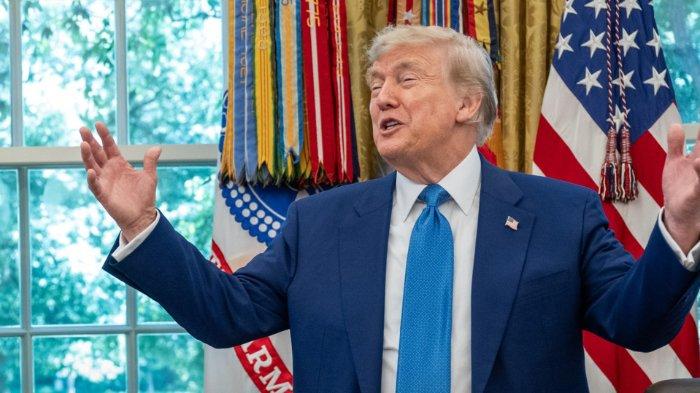
To keep military personnel paid despite the national government shutdown, President Trump ordered the Pentagon to use unspent research and development funds (approximately $8 billion) as a temporary source of military pay.
However, this decision applies only to active-duty military personnel and does not cover civilian employees in other agencies.
Budget Cuts and Partisan Strategy
The Trump administration has frozen approximately $26 billion in funding for Democratic-controlled states, including funds for transit and green energy projects.
Vice President J.D. Vance also alleged that tax credit subsidies related to the Affordable Care Act (ACA) are vulnerable to abuse and called the Democratic proposal a “fraud.”
Union Action & Doubts Over Back Pay
Many furloughed federal employees are now concerned they will not receive retroactive back pay, despite precedent that payments should be made after the shutdown ends. The White House has stated that back pay is not an automatic requirement, drawing ire from unions and Democratic members of Congress.
Unions have filed lawsuits to prevent layoffs and demand transparency about the fate of the payments.
Impact on Services & Aviation
While many federal services have been halted or scaled back, some essential functions continue. For example, Social Security payments continue to be made without interruption.
Social Security
The airline industry is beginning to feel the impact: delays, route cancellations, and concerns about TSA and air traffic control (ATC) services. Some travelers are reconsidering their travel plans due to this uncertainty.
However, IATA states that so far there have been no major disruptions to domestic aviation operations.
Fiscal Concerns & National Debt
Many observers argue that this political conflict is diverting focus from the underlying issues: the growing national debt and structural deficit. Risks to fiscal stability are increasingly being overlooked amid the party budget debate.
According to an independent budget watchdog, the Democratic proposal to expand healthcare subsidies could add an estimated $1.5 trillion to the federal budget over a decade.
Political Response and Party Strategy
Senate Democrats rejected the GOP's attempt to reopen the government by simply extending ACA subsidies as a single solution, calling it insufficient and demanding a more comprehensive budget package.
Tensions have arisen within the Republican party itself: some members criticized Trump's strategy of using the shutdown as a political tool to pressure Democratic state opposition.
Source: Newsmaker.id