25% Heavy-Duty Truck Tariff: Ready for a Domino Effect?
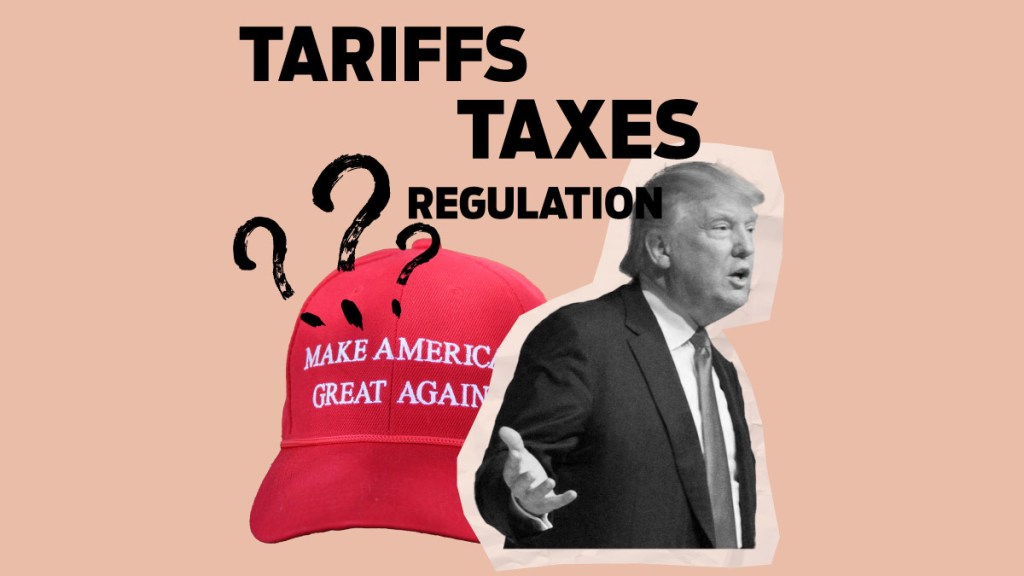
President Donald Trump imposed a new 25% tariff on all imported medium- and heavy-duty trucks starting November 1st. The reason: to protect domestic manufacturers from “unfair competition”—affecting brands like Peterbilt and Kenworth (Paccar) to Freightliner (Daimler Truck). Trump had previously stated that the new tariffs, effective October 1st, were based on national security. Unlike light-duty vehicles—which, under agreements with Japan and the European Union, are subject to a 15% tariff—the provisions for larger vehicles remain unclear.
The impact could be widespread because the “larger vehicles” category includes delivery trucks, garbage trucks, public utilities, transit/school buses, and heavy-duty articulated trucks. In North America, the USMCA exempts tariffs on medium- and heavy-duty trucks if at least 64% of their value comes from within the region; however, many supply chains now cross borders. Mexico, the largest supplier to the US, is home to 14 bus and truck manufacturers and two engine manufacturers, and its truck exports to the US have reportedly tripled to ~340,000 units since 2019. Last year, the US also imported nearly $128 billion in heavy vehicle parts from Mexico (about 28% of total imports).
The U.S. Chamber of Commerce has objected, stating that the five main import sources—Mexico, Canada, Japan, Germany, and Finland—are partners/allies and not a national security threat. Several companies have also lobbied: Stellantis (the manufacturer of Ram) has requested that high tariffs on Mexican production not be imposed, while Volvo Group is building a $700 million heavy truck plant in Monterrey for 2026. In short, these tariffs have the potential to shift costs to both manufacturers and consumers—from logistics costs to fleet prices—as the market awaits implementation details and potential exemptions. (az)
Source: Newsmaker.id