US Sets New Tariffs on Japan, Negotiations Still Open Until Aug. 1
US President Donald Trump raised the overall tariffs on Japan to 25% starting Aug. 1, up slightly from 24% previously. However, he gave Japanese Prime Minister Shigeru Ishiba more time to find a solution until after Japan's upper house election on July 20. In his official letter, Trump said that the trade imbalance between the two countries had been allowed to persist for too long and demanded immediate action.
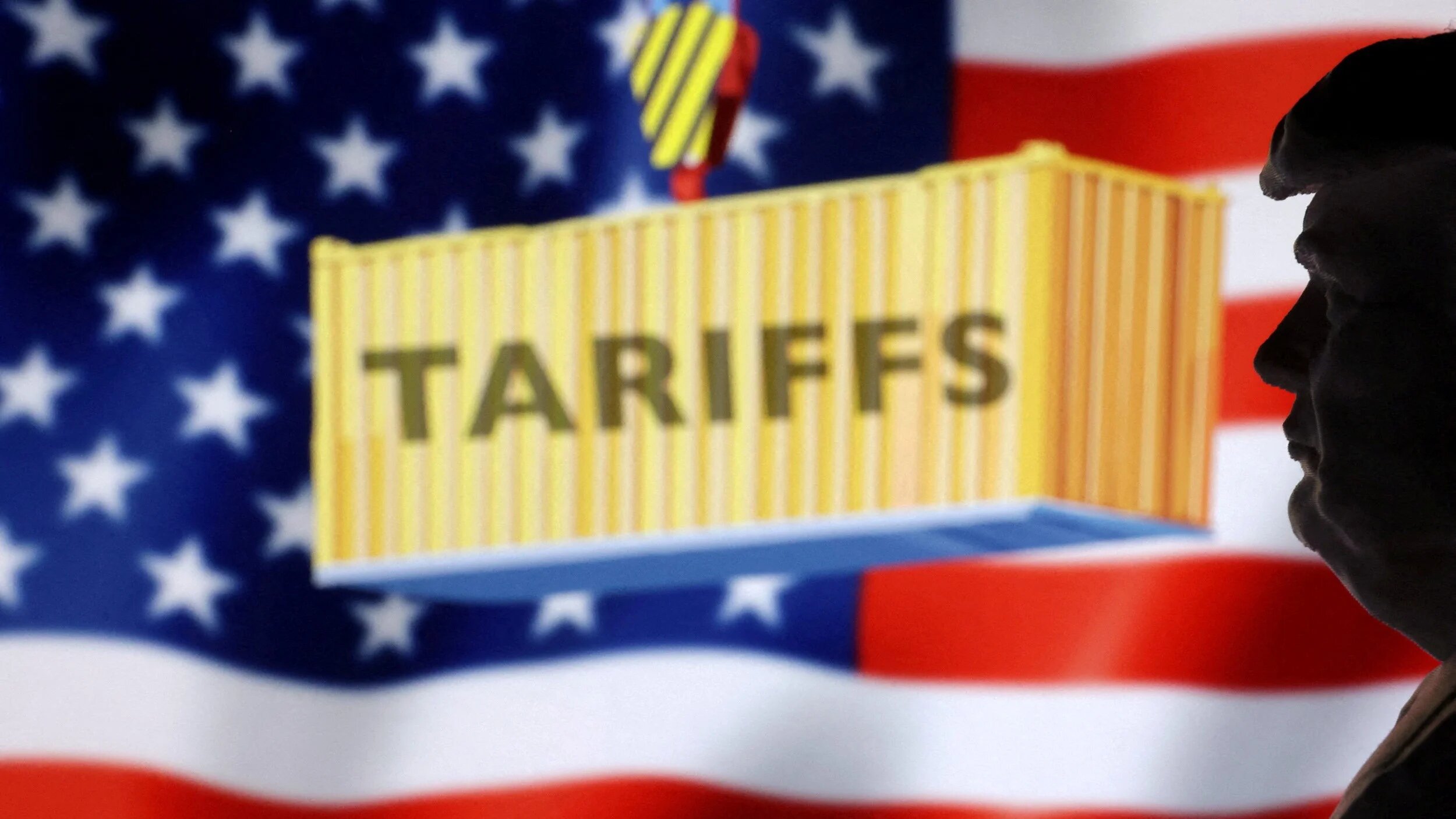
The new tariffs include 25% duties on autos and 50% on steel and aluminum, which have hurt Japanese exports and raised the risk of a technical recession in the country. However, Trump said the tariffs would not be imposed if Japan or its companies build production facilities in the US. He also warned that any retaliatory action by Japan would be met with additional tariffs from the US.
Japan's trade surplus with the US, which reached $59 billion last year, was the main reason behind the move. Despite Japan’s goodwill—such as Nippon Steel’s acquisition of US Steel and SoftBank’s planned major investment in the US—Trump still believes the two countries’ trade relationship is unbalanced. “Even 25% is below what is needed to address the deficit,” Trump wrote in his letter.
So far, Japan’s negotiating efforts have yielded no tangible results. Japan’s trade envoy, Ryosei Akazawa, has traveled to the US seven times and recently held two calls with US Commerce Secretary Howard Lutnick. But talks remain deadlocked, particularly over tariffs on cars—a major driver of Japan’s economy and a major source of the US trade deficit.
Source: (ayu-newsmaker)