As G7 Laders Meet, Allies Ask: Is Trump With Us or Against Us?
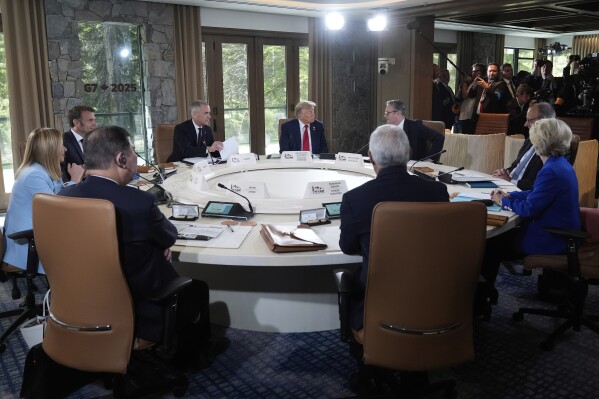
Ongoing trade instability and turmoil in Ukraine and the Middle East are set to dominate talks, as leaders of the world’s largest advanced economic powers gather in Canada for this year’s Group of Seven summit.
With uncertainty over those major issues largely arising from the White House’s economic and foreign policy, allies are likely to ask whether U.S. President Donald Trump stands with them, or against them on major geopolitical points.
The G7 comprises the U.S., U.K., Canada, France, Germany, Italy and Japan, as well as representatives from the European Union and other guest participants. The leaders of Australia, Brazil, Mexico, Indonesia, Ukraine, South Africa and South Korea have also been invited to this year’s gathering.
These summits aim to facilitate a consensus on the biggest global economic and geopolitical challenges and to coordinate actions to tackle them.
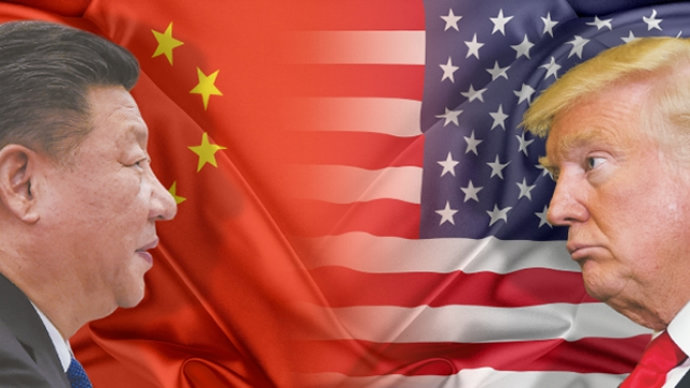
The problem for the group this year comes from within, however, with Trump’s array of trade tariffs and a potential global trade war looming as live threats — barring for the U.K., which signed a trade deal with Washington in May.
The summit takes place while Trump’s 90-day pause on “reciprocal” tariffs is still in effect, with Japan and the EU looking to strike a deal before the July 9 deadline, when higher trade duties — currently lowered to 10% by Trump in the interim to allow deals to be negotiated — could return with a vengeance.
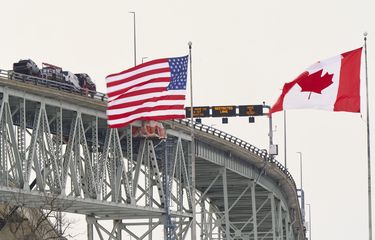
Canada was hit with a 25% tariff on autos and 50% duty on steel and aluminum imports, while goods not covered by the USMCA trade pact, which includes Mexico, are also subject to duties. Canada retaliated with its own 25% tariff on U.S. imports, although it has suspended some of those in order to protect domestic industries.
Bilateral meetings between Trump and leaders looking for a trade deal are expected to take place at the G7 summit over the next few days, but the odds of any big bang deals being struck are uncertain. Trump appeared confident that there could be progress on agreements, however.
Asked if he planned to announce any trade pacts at the summit as he left the White House on Sunday, Trump said: “We have our trade deals. All we have to do is send a letter, ‘This is what you’re going to have to pay.’ But I think we’ll have a few, few new trade deals,” in comments reported by The Associated Press.
Host Canada certainly looks to be avoiding any obvious signs of disunity, having abandoned the usual communique that’s issued at the end of G7 summits on how the group plans to work together to tackle joint challenges.
This could seek to avoid a repeat of the acrimonious conclusion to the previous summit in Canada back in 2018 when Trump, during his first term in office, retracted the U.S.′ support for the joint statement. The summit in France in 2019 was the last gathering Trump attended.
Source : CNBC