Trump Team Considers Tariff Cuts On China
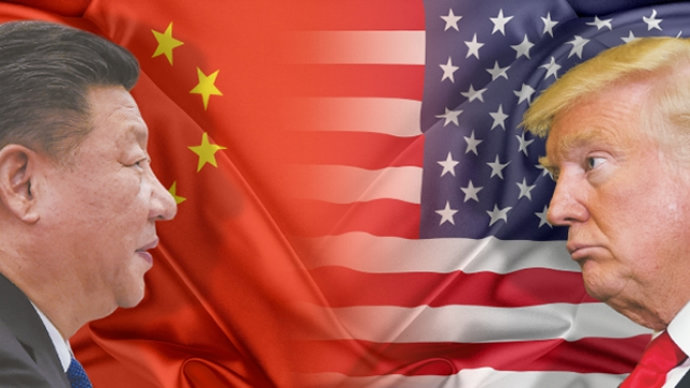
The Trump administration is considering a dramatic tariff cut during weekend talks with China to ease tensions and ease the economic pain that both countries are feeling. People familiar with the preparations for the talks, which are set to begin in Geneva on Saturday, said the U.S. side has set a target of reducing tariffs below 60% as a first step, which they said China is likely to match.
A top U.S. priority is also securing the removal of restrictions on Chinese exports of rare earths used to make magnets as the industry faces disruptions, the people said. Asian stocks rose after President Donald Trump said he was confident that weekend talks could produce real progress, with China making concessions. An initial deal with Britain also fueled optimism about further tariff relief, although U.S. Commerce Secretary Howard Lutnick warned that trade deals with South Korea and Japan could take longer to complete.
What You Need to Know Today
Negotiators will have the latest Chinese trade data for the weekend talks. The Asian nation’s exports rose more than expected in April even as shipments to the U.S. plunged sharply in the first month after Trump targeted its goods with tariffs above 100%. The first official data since the trade war escalated captured only the initial damage from the steep tariffs, with their effects likely to become more apparent starting this month.
TSMC’s revenue jumped 48% in April, underscoring how electronics companies are scrambling to source critical components like chips before global tariffs take effect. The key chipmaker for Apple and Nvidia reported monthly sales of NT$349.6 billion ($11.6 billion), compared with an average analyst estimate for a 38% rise in second-quarter revenue. TSMC — a barometer for global tech spending given its key role in the supply chain — has stressed that demand remains resilient, including for Nvidia’s high-end chips that are essential for developing artificial intelligence. The trade tensions add a sense of urgency to a years-long shift away from the dollar.
Banks and brokerages are seeing growing demand for currency derivatives that bypass the greenback, with firms receiving more requests for transactions including hedges that avoid the dollar and involve currencies such as the yuan, Hong Kong dollar, Emirati dirham and euro. The push to find alternatives is another sign that companies and investors are turning away from the world’s reserve currency, which was hit by a wave of selling this week amid shifting bets on a trade deal.
Some of Asia’s wealthiest families are reducing exposure to U.S. assets, saying Trump’s tariffs have made the world’s largest economy far less predictable. About 10 family offices and advisers to the super-rich overseeing billions of dollars told Bloomberg News they were reducing their exposure or freezing investments, mostly in U.S. equities and Treasuries. They cited rapid policy changes, uncertainty and the risk of a recession.
Source: Bloomberg