Iran War Starts to Filter Into U.S. Economy, Energy Shock Leads the Impact
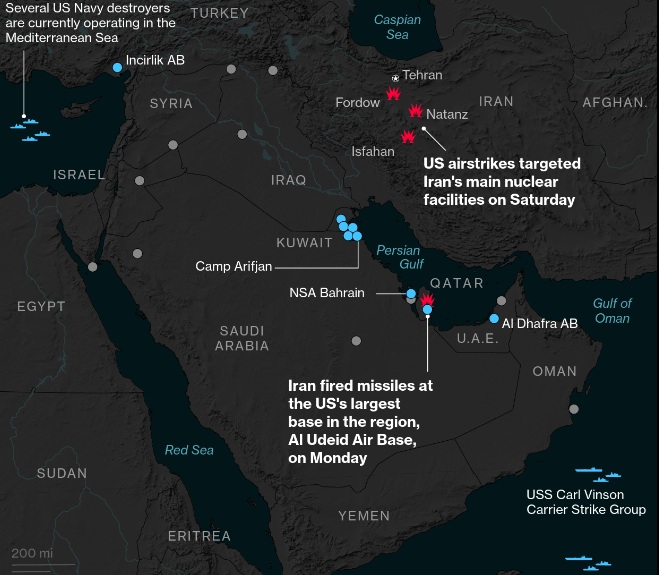
The Iran war is increasingly showing up in U.S. economic conditions through both visible and less obvious channels. The most immediate hit has come via higher energy costs, while broader growth risks are building underneath the surface through uncertainty, inflation dynamics, and the path of monetary policy.
Although recession concerns have risen since the fighting began more than six weeks ago, most economists still expect the overall drag on gross domestic product to be limited. Estimates cited in the source material suggest the conflict may shave only a few tenths of a percentage point from growth, provided escalation does not persist.
Duration remains the key variable. If the current ceasefire holds, the inflation impulse from energy is likely to fade over time. If fighting resumes, the outlook becomes far less predictable and could threaten the fragile growth the economy has posted over the past two quarters. Mike Skordeles, head of U.S. economics at Truist Advisory Services, said the war will “gouge out” some growth, but argued the bigger issue is uncertainty.
That uncertainty has already weighed on the U.S. economy over the past year, intensifying after President Donald Trump announced “liberation day” tariffs in early April 2025 and amid a more muscular U.S. foreign policy stance. The war adds to the pressure and raises several market-relevant questions: whether the inflation surge during the conflict proves temporary, how much higher costs affect consumers who account for most U.S. growth, and the extent to which less energy-independent economies bear spillovers.
Central to the debate is how the Federal Reserve and other central banks respond. Skordeles underscored that crude prices matter, but said incomes and other fundamentals have so far “hung in there.” He also pointed to Fed uncertainty as a factor that may delay—rather than cancel—additional rate cuts, potentially pushing them into the back half of the year or later. That, in turn, would keep borrowing costs elevated for households.
High rates are landing as pump prices already pressure consumers. The national average gasoline price was cited at $4.10 a gallon, based on AAA data referenced in the source. In housing, higher mortgage rates helped push existing home sales in March to their lowest level in nine months.
Even so, consumer spending has not collapsed. Debit and credit card spending rose 4.3% in March, the strongest increase in more than three years, according to Bank of America. The gain was driven by a 16.5% jump in gas-station spending, but the bank also reported “healthy” 3.6% growth excluding gasoline—suggesting household wallets have remained resilient enough to absorb the energy-driven increase.
One support factor cited is larger tax refund checks following changes made in last year’s “One Big Beautiful Bill Act.” The average refund this year was $3,521, an 11.1% increase versus the same period in 2025, according to IRS data referenced in the source.
The spending picture, however, appears to clash with sentiment indicators. The University of Michigan survey was cited as showing consumer sentiment at a record low in a dataset extending back to the 1950s, spanning multiple wars and major economic shocks.
Markets are likely to keep monitoring three variables: whether the ceasefire holds and how that feeds through to oil and gasoline prices, how real consumption holds up if borrowing costs remain high, and what the Fed signals on the timing and scale of any further easing.
Source : Newsmaker.id