US-Iran Tensions Rise, Houthis Open New Front in the Red Sea
US President Donald Trump has threatened to escalate attacks on Iran after the Tehran-backed Houthi group escalated the conflict in the Red Sea. Trump said the US would hold Iran accountable for any further attacks on ships passing through the vital shipping lane.
In an interview with Axios, Trump said he was considering a "major strike" and was close to making a decision. He also warned that the US would impose severe military sanctions on Iran and the Houthis if attacks from Yemen on merchant vessels recur.
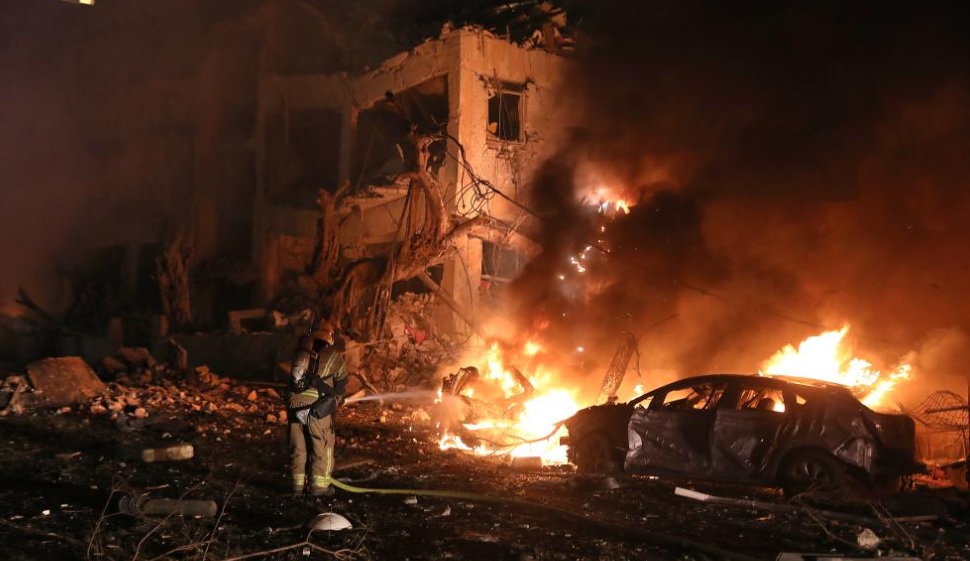
Tensions escalated after the Houthis claimed to have attacked two Saudi Arabian oil tankers. This attack opened a new front in the Middle East conflict and immediately rocked commodity and bond markets. Brent oil prices rose above US$100 per barrel for the first time in nearly two months.
US Central Command, or CENTCOM, also announced it had launched strikes for the 13th consecutive night. The attacks were aimed at weakening Iran's ability to threaten commercial shipping in the Strait of Hormuz, one of the world's most vital energy routes.
Trump previously warned that any damage to ships, cargo, or shipping-related assets would be paid for using frozen Iranian funds under US control. However, no details have been provided on how these payments will be made.
The war, which began after the US and Israel attacked Iran in February, has now entered a new phase of escalation after last month's ceasefire failed to hold. Iran has also warned it will target regional infrastructure, including energy facilities, if Trump destroys Iranian bridges or power plants in retaliation for the attack in the Strait of Hormuz.
Mediation efforts have also been fruitless. Iran reportedly rejected Trump's ceasefire proposal, which was brought by the Iraqi Prime Minister. Neither side has shown any signs of being ready to return to negotiations, while attacks continue in several parts of the region.
Traffic through the Strait of Hormuz, which before the war carried about a fifth of the global energy supply, has slowed sharply. The Houthi involvement also threatens the Bab el-Mandeb waterway in the Red Sea, prompting some ships to avoid that route. This situation increases the risk of disruption to global energy trade.
In terms of market impact, the escalation of the US-Iran conflict and the involvement of the Houthis could keep oil prices high in the short term. If disruptions in Hormuz and the Red Sea continue, Brent and WTI could potentially become more volatile as the market incorporates a premium for supply risk. Rising energy prices could also increase inflationary pressures, keep bond yields high, pressure global stocks, and make the US dollar and gold more sensitive to geopolitical sentiment. (asd)*
Source: Newsmaker.id