Trump Prepares 100% Drug Tariff
United States President Donald Trump announced plans for a 100% import tariff on generic drugs. However, drug manufacturers will have two years to shift production to the United States before the policy takes effect in August 2028.
Trump said the tariff could rise again to 200% in August 2029 if companies continue to fail to establish production facilities in the US. This policy is intended to encourage the revival of domestic generic pharmaceutical production.
According to Trump, this measure is a form of pressure on companies that do not immediately establish factories and production equipment in the US. The US government wants to reduce dependence on imported drug supplies, especially for generic products widely used by the public.
The issue of drug prices has become a major concern for Trump ahead of the 2026 midterm elections. He has criticized the disparity in drug prices in the US, which he considers higher than in some foreign markets.
The US government has also launched a direct-to-consumer discount drug sales platform called TrumpRX. Furthermore, the Trump administration previously launched an investigation into the pharmaceutical industry on national security grounds through Section 232 of the Trade Expansion Act.
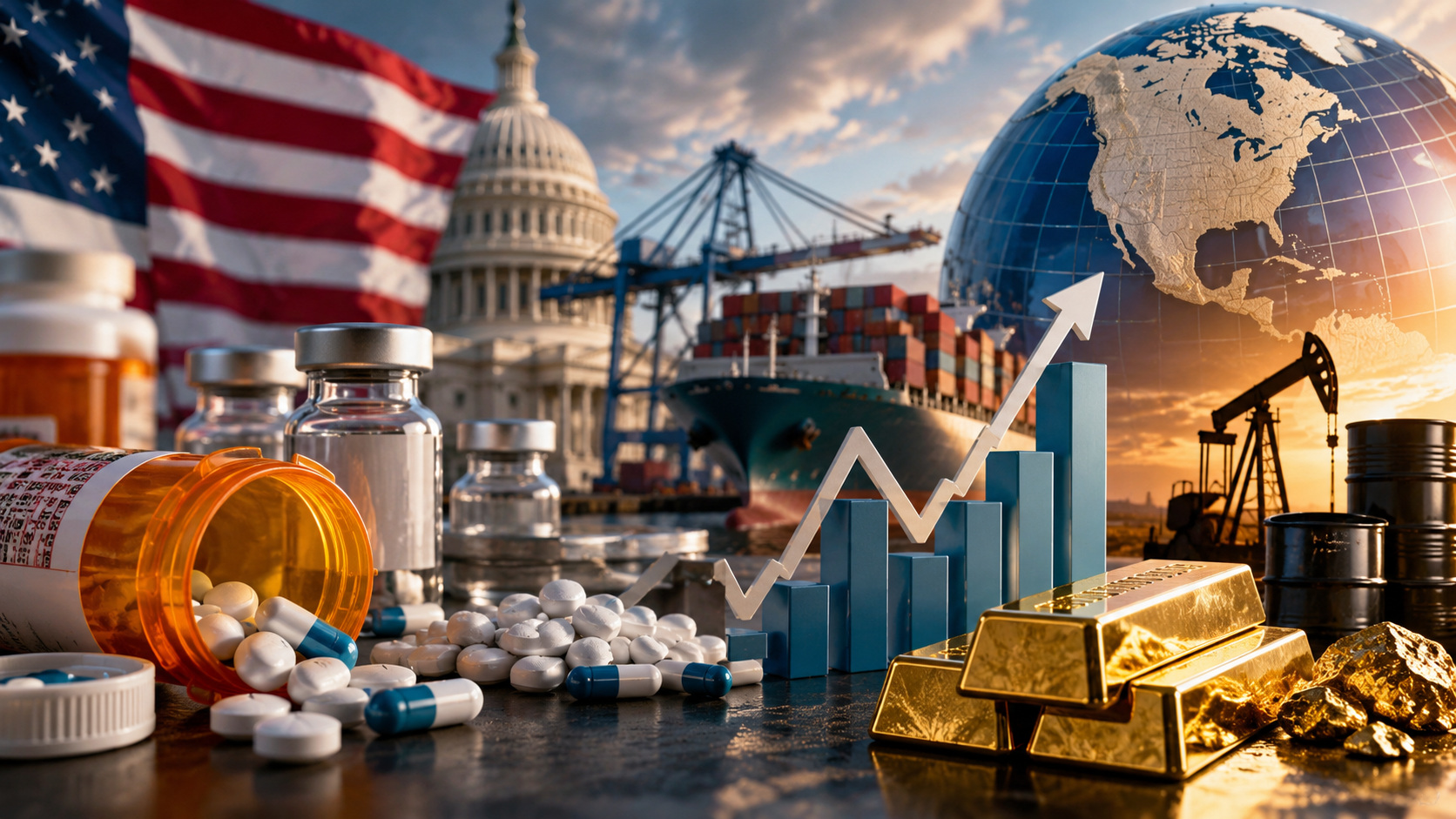
As a result, pharmaceutical and generic drug manufacturer stocks are potentially volatile as investors closely monitor production costs, supply chains, and the potential for factory relocation to the US. Companies with existing production facilities in the US could benefit from positive sentiment, while manufacturers reliant on imports are at risk of pressure. This policy could also fuel concerns about higher drug costs if tariffs are implemented.
In terms of market impact, Trump's generic drug tariff policy has the potential to provide a mild boost to gold, as the market may view it as a risk of new inflation in the US. However, gains could be contained if the dollar and yields rise. For oil, the impact is relatively indirect, as drug tariffs are not linked to energy supply, leaving it more affected by the US-Iran conflict, Hormuz, and the Red Sea. Meanwhile, sentiment for the US dollar is likely to be limitedly positive if the market perceives these tariffs as making it more difficult to reduce inflation and encouraging the Fed to maintain high interest rates for longer.(asd)*
Source: Newsmaker.id