Trump Insists Iran Deal Not Final
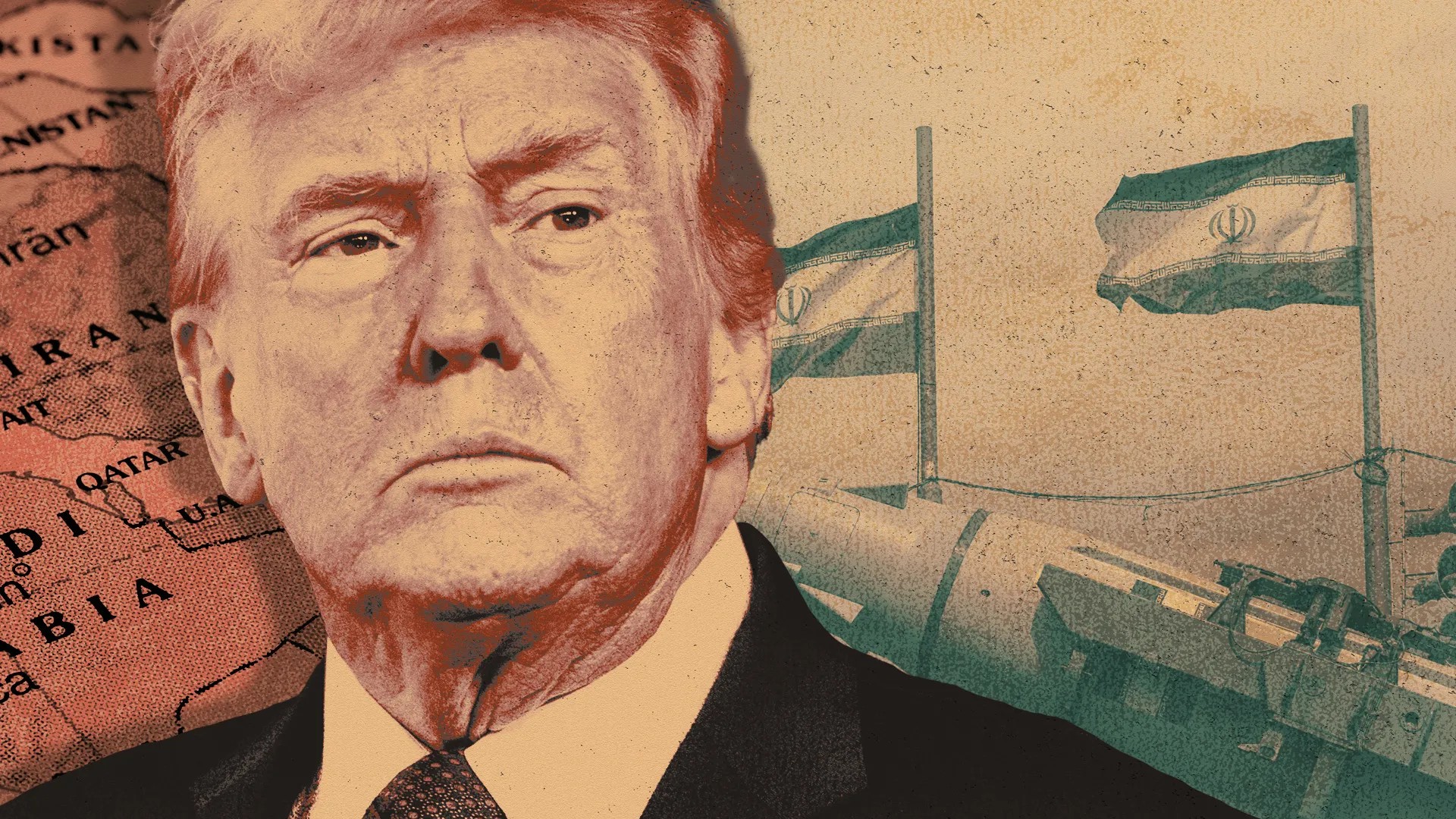
US President Donald Trump stated that the preliminary peace agreement between the US and Iran is not yet final, although the signing ceremony remains scheduled for Friday in Switzerland. The statement came as Trump explained the framework of the agreement to G7 leaders at a summit in Evian-les-Bains, France.
Trump called the document still a memorandum of understanding and warned that the US could resume attacks if Iran does not fulfill its commitments in the deal. This statement shows that the diplomatic process remains fragile and depends heavily on implementation in the next phase.
Details of the agreement are still emerging, but the full text has not been released. According to media reports, the 14-point US-Iran framework includes a permanent ceasefire, including in Lebanon, the lifting of the US naval blockade, and the reopening of the Strait of Hormuz. The agreement would also pave the way for further negotiations on Iran's nuclear program after the signing ceremony.
One of the key provisions in the draft includes an immediate waiver of Iranian oil and petrochemical exports after signing. Other incentives include the possible release of frozen Iranian assets and a regional reconstruction plan worth approximately $300 billion. In return, Tehran reportedly agreed to a commitment not to pursue nuclear weapons and to neutralize its nuclear material.
However, financial relief for Iran appears to remain tied to Tehran's compliance with US demands, including the elimination of its stockpile of enriched uranium and curbs on its broader nuclear ambitions. Trump also said the agreement does not include immediate sanctions relief, although it leaves room for further discussions.
For energy markets, the primary focus remains on the Strait of Hormuz. Brent briefly fell below $80 per barrel on Tuesday for the first time since March, before stabilizing after several days of decline. The oil decline reflects expectations that the opening of Hormuz and the return of Iranian supplies could ease global supply pressures.
However, the restoration of energy flows did not automatically occur after the signing. US forces are still searching for mines planted by Iran in the strait, while shipping companies remain cautious about sending vessels through the waterway. Before the war, about a fifth of the world's oil and liquefied natural gas supplies passed through Hormuz, so any technical or security disruptions would still have a significant impact on the energy supply chain.
Market transmission of the agreement is linked to energy supply, inflation, and interest rate expectations. If Hormuz returns to normal operation, energy prices could be more manageable and global inflationary pressures could ease. However, if the details of the agreement change, implementation is delayed, or tensions escalate, the oil risk premium could rise again.
G7 leaders also signaled that they would encourage diversification of energy supplies to reduce dependence on flows through the Strait of Hormuz. Market focus will next be on the release of the full text of the memorandum, the mechanism for opening Hormuz, Iran's compliance with its nuclear requirements, and shipping companies' responses to the security situation in the waterway. (arl)
Source: Newsmaker.id