US-Iran Deal Remains Uncertainty in Hormuz
The US and Iran are set to sign an interim peace deal in Switzerland on Friday, but energy markets still view the reopening of the Strait of Hormuz as uncertain. The text of the 14-point memorandum of understanding, which includes a two-month ceasefire extension and further negotiations on Iran's nuclear program, has not been made public.
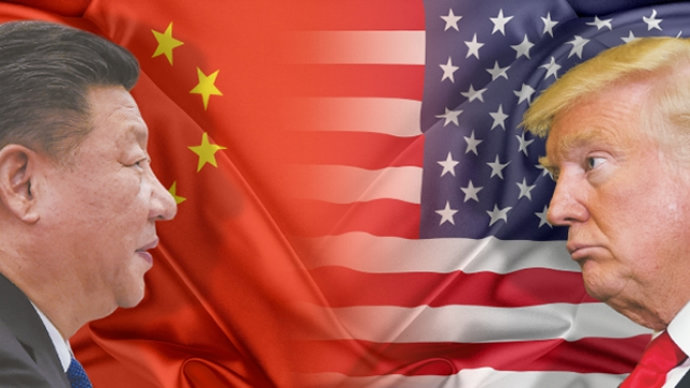
A senior US official said the document is likely to be released before the signing ceremony in Geneva. The US delegation is expected to be led by Vice President JD Vance, while Iran is likely to be represented by Parliament Speaker Mohammad Bagher Ghalibaf. President Donald Trump, who is in France for the G7 summit, has called the deal a done deal but has emphasized that the US will not invest in Iran or pay war compensation.
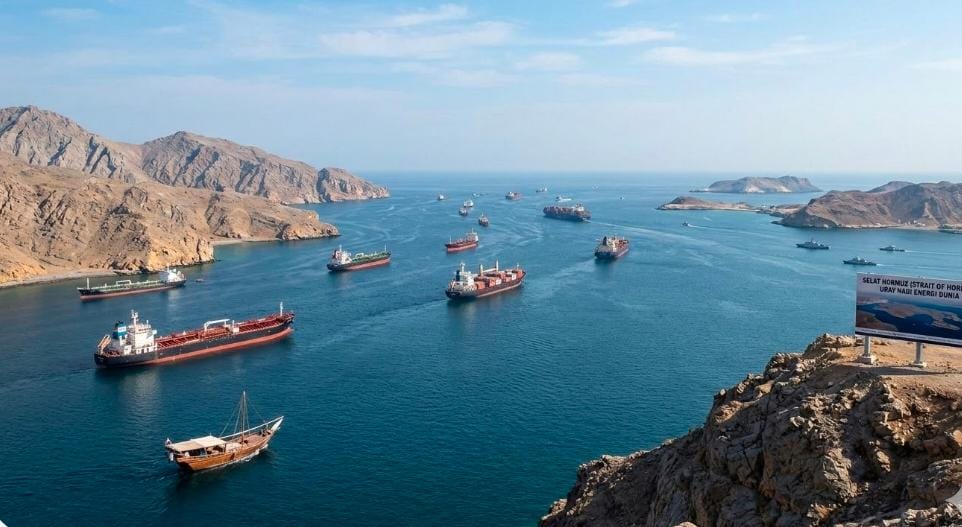
Market focus is not only on the signing, but also on how quickly Hormuz can return to normal operations. This route is of concern because disruptions during the war have driven up energy prices. G7 nations such as France, the UK, and Italy are expected to play a role in mine clearance operations before shipping traffic returns to normal.
Italy has reportedly prepared four ships to be sent to the Strait of Hormuz, including two minesweepers currently stationed in Djibouti. This suggests that opening the strait is not merely a diplomatic issue but also hinges on maritime security preparedness. As long as the technical aspects remain unclear, geopolitical risk premiums may remain in energy prices.
Oil prices have fallen since Trump declared a deal was near. Brent weakened 3.6% to just above $80 per barrel on Tuesday, down for the fourth straight day from a high of $125 in late April. The decline reflects expectations that the US and Iran will maintain diplomatic channels, while lower demand in China and the release of emergency oil reserves have also weighed on prices.
However, differences in the US and Iran's positions remain a risk. Tehran wants $300 billion in development funds included in the MOU and claims the war has caused more than $250 billion in economic losses. Washington has insisted that access to frozen funds and sanctions relief will not be granted immediately upon signing, but rather gradually, depending on Iran's fulfillment of conditions.
The market is also awaiting whether Iran will allow free passage of ships after the 60-day negotiation period. Tehran's signal to impose navigation fees could impact global energy logistics costs. The next focus will be on the publication of the MOU text, the mechanism for opening Hormuz, Iran's position on navigation fees, and the G7's commitment to securing maritime routes. (gn)
Source: Newsmaker.id