Trump Links Any Iran Deal to Abraham Accords
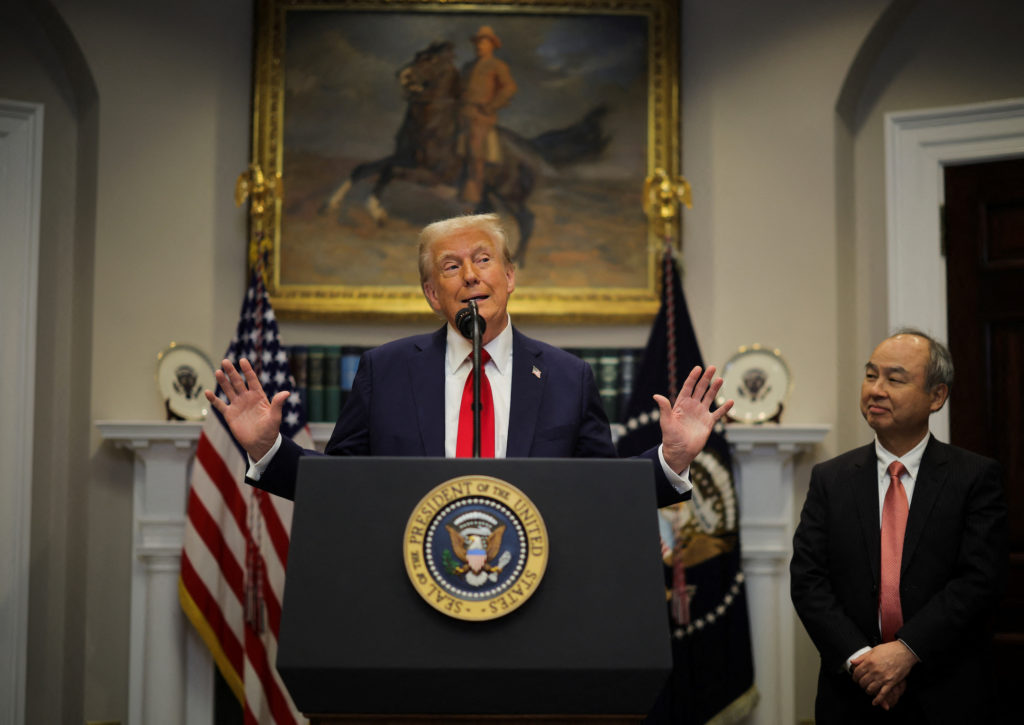
US President Donald Trump said on Monday (May 25) that he was asking Saudi Arabia, Qatar, Pakistan, Turkey, Egypt, and Jordan to join en masse in the Abraham Accords to normalize relations with Israel, as he seeks to negotiate a deal to end the war with Iran. Trump said on Saturday that he had spoken with the leaders of those countries, as well as the United Arab Emirates and Bahrain, which have already signed the agreements.
Pakistan rejected the proposal. So far, the other countries named by Trump have not publicly responded, and the chances of a positive response are considered low amid persistent public distrust of Israel in several Muslim countries due to the scale of Israel's military offensive in Gaza.
In a post on Truth Social, Trump wrote that he was “mandatory” for all countries to immediately sign the Abraham Accords, and said it would be an “honor” if Iran signed the agreement with him and became part of the “global coalition” he described. A Pakistani source familiar with the matter said Trump's push reflected an attempt to leverage Iran's ceasefire diplomacy to advance the broader Abraham Accords agenda, but emphasized that the two issues are "not interconnected and cannot be made interconnected."
Trump's statement also highlights particular sensitivities for Saudi Arabia, whose long-standing position is that normalization with Israel requires agreement on a roadmap to a Palestinian state. Meanwhile, Egypt, Jordan, and Turkey already have diplomatic relations with Israel, though those relations have reportedly been strained since the Gaza war began.
Trump stated that negotiations with Iran are "going well," but gave no indication that a deal is imminent. In Washington, some Trump allies are pushing the idea of linking the Iran deal to an expanded Abraham Accords to bolster political support, while others view the strategy as an attempt to make the Iran deal more palatable to skeptics.
For markets, diplomatic escalations or de-escalations in the Middle East often translate into changes in geopolitical risk premiums, particularly in assets sensitive to energy flows and global risk sentiment. However, this material also suggests that political obstacles and public perceptions could slow implementation, potentially allowing market reactions to remain volatile following headlines.
The next variables to monitor are the official responses from the countries Trump mentioned, Saudi Arabia's position on the preconditions for the Palestinian issue, and further signals from the US and Iran regarding the substance and timing of the agreement currently being negotiated.
Source: Newsmaker.id