Iran Conflict Enters Negotiations
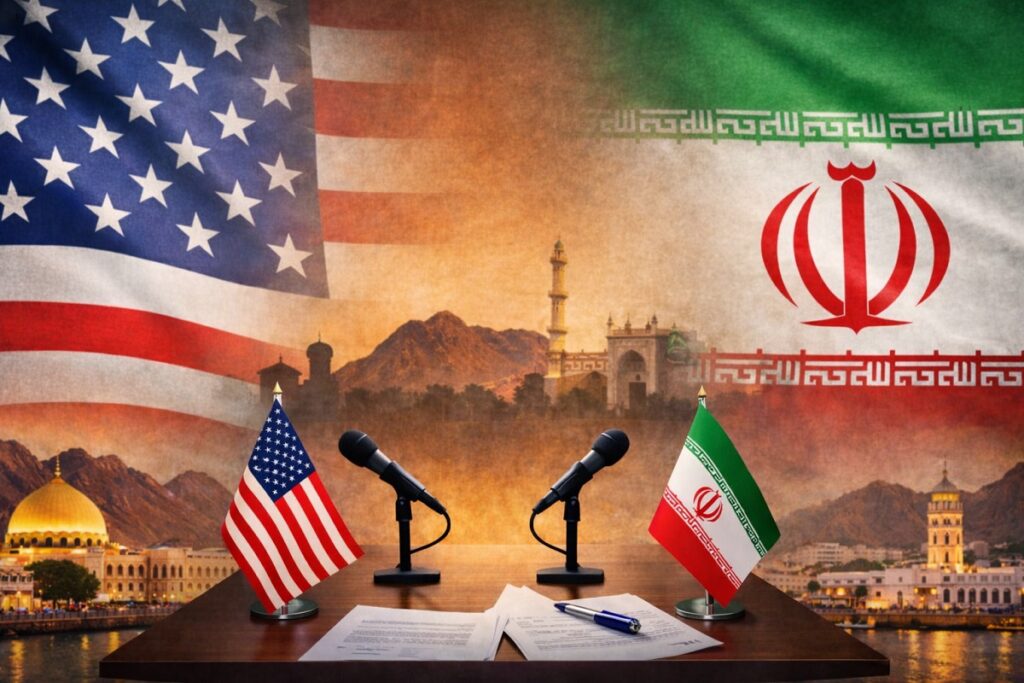
Investors welcomed news that the United States and Iran had reached a framework agreement that could end the more than two-month conflict, although key details—including the management of the Strait of Hormuz—have yet to be finalized. In the latest trading session, Brent oil prices fell below $100 per barrel, reflecting positive market sentiment on the prospect of restoring global energy flows.
Reports said the agreement would likely include reopening the Strait of Hormuz, a strategic waterway for approximately 20% of the world's oil supply, as well as lifting the US blockade of Iranian ports. Iran stated that it would not charge tolls for ships passing through the strait, although fees for services provided would remain. This move could mitigate the risk of supply premiums that had surged due to the conflict, which restricted tanker traffic.
In addition to logistical aspects, the draft agreement also includes Iran's commitment to not develop nuclear weapons and to enter further negotiations on uranium enrichment. Although Iran has refused to hand over its stockpile, this commitment is seen as a crucial foundation for restoring economic and energy relations in the region.
However, President Donald Trump warned that the US blockade of Iranian ports would remain in place until a deal is truly “reached, ratified, and signed.” This statement reflected US caution against rushing, while Secretary of State Marco Rubio asserted that Washington would pursue all diplomatic avenues—but was prepared for other options if negotiations failed.
The market response to this news was quite clear: Brent oil prices briefly fell more than 5%, while stock indexes in Europe and Asia rallied on hopes that negotiations could ease geopolitical uncertainty and energy inflation pressures. Investors now remain wary of further developments, particularly details about how the deal will regulate energy flows through Hormuz and its implications for global inflation. (Arl)
Source: Newsmaker.id