Iran Expands Attacks, Hormuz Remains Stalled and Diplomatic Pressure Increases
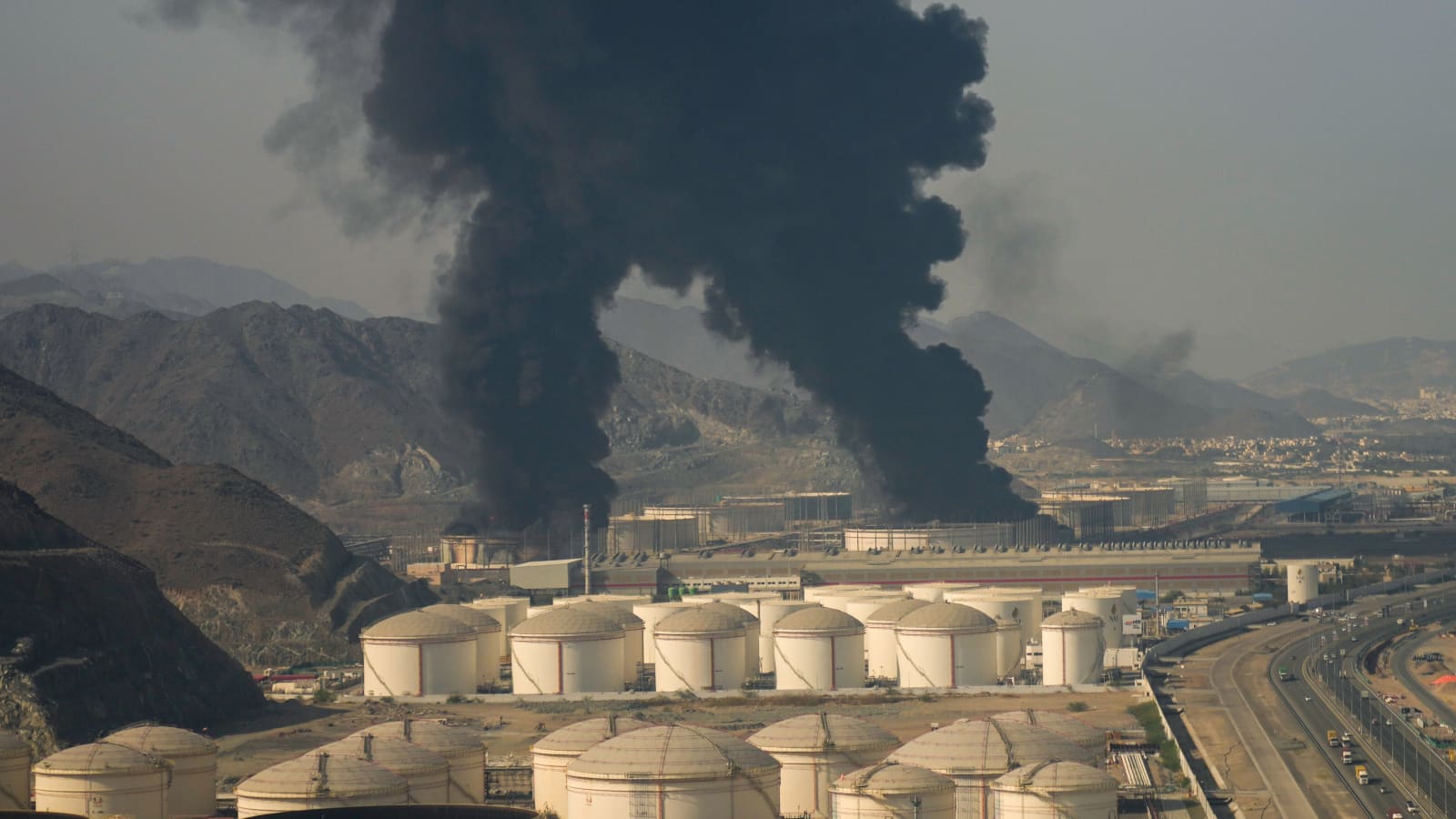
Iran targeted more sites in Gulf Arab states on Friday, hours after US President Donald Trump issued a new threat against Iranian infrastructure to pressure Tehran to resume peace negotiations. Drone strikes sparked a fire at Kuwait's Mina Al Ahmadi refinery, while local authorities also reported attacks on a power plant and a desalination plant that damaged components. Abu Dhabi suspended operations at the Habshan gas facility to deal with a fire caused by debris from intercepted projectiles, and Saudi Arabia said it had intercepted several drones.
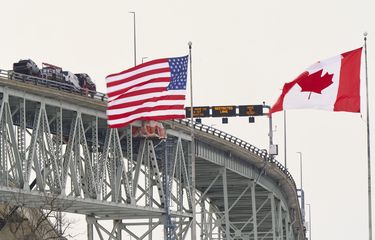
Trump on Thursday posted a video of a destroyed bridge and warned of "more to come" if Iran does not agree to a deal to end the nearly five-week conflict that has triggered a global energy crisis. Iran remains defiant: Foreign Minister Abbas Araghchi said attacks on civilian buildings would not force Iranians to surrender, and Tehran is said to be setting its own terms, many of which are unacceptable to the US and Israel.
CNN reported an assessment that about half of Iran's missile launchers remain intact despite more than 12,000 US and Israeli strikes since late February, and thousands of single-purpose attack drones remain available. At the same time, Trump signaled this week that he might be willing to withdraw US troops from the conflict within two to three weeks, even if the Strait of Hormuz remains effectively closed.
US allies in Europe, the Middle East, and Asia are stepping up efforts to ensure Hormuz's reopening, given that about a fifth of the world's oil and LNG supplies typically pass through it. More than 40 countries met virtually to discuss the plan, stressing that a Hormuz solution would need to be included in any ceasefire talks. But the discussions also reflected preparations for reopening the strait without the US, with France and the UK assessing that a military option is likely ineffective and that a ceasefire is necessary.
Hormuz remains virtually closed, with reports that Iran is drafting a protocol with Oman to monitor traffic and require customs duties. The passage is in international waters, making any Iranian attempt to assert control over it potentially trigger strong objections from Western powers and Gulf states. However, a small number of ships reportedly made it through, including a container ship bearing French ownership—the first known transit through Western Europe since the war began. (gn)
Source: Newsmaker.id