The Fracture in the West: When Europe Begins to Distance itself from the US-Israel War
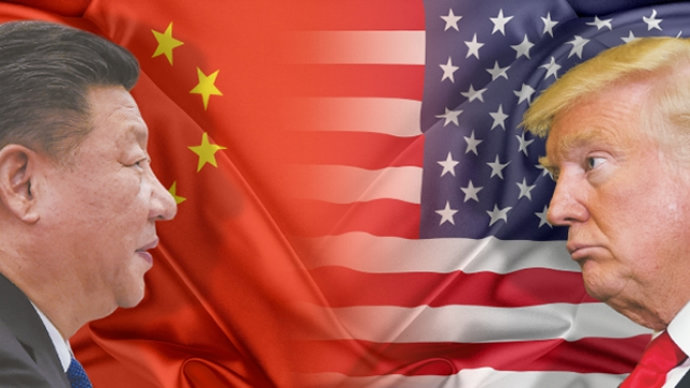
The view that the source of current global instability stems not solely from NATO's weakness, but from the escalation of the Middle East conflict involving Israel and strongly supported by the United States, is gaining ground. In recent weeks, international attention has focused not only on President Donald Trump's threat to withdraw the US from NATO, but also on the widening political distance between Washington and several of its European allies regarding the war with Iran and military support for Israel.
This rift was clearly visible when several European countries refused to fully support US military operations. Reuters reported that France asserted that NATO was formed for the security of the Euro-Atlantic region, not to support offensive operations in the Strait of Hormuz. At the same time, France denied airspace to Israeli aircraft carrying US weapons, while Italy restricted access to military bases and Spain closed its airspace to US military aircraft. These stances demonstrate that while European countries still want to maintain NATO, they do not want to be automatically drawn into Washington's war agenda beyond the alliance's collective defense mandate.
On the other hand, Washington's support for Israel remains very strong. On March 7, 2026, the Trump administration used emergency authority to expedite the sale of more than 20,000 bombs to Israel, worth approximately $650 million, bypassing the normal congressional review process. This move reinforced the global perception that the US was not merely Israel's political ally but also a key driver of its military capacity amidst the escalating regional conflict.
Criticism of this support has intensified as the humanitarian impact continues to mount. Reuters reported that Gaza health authorities have recorded more than 72,000 Palestinian deaths since the war began in October 2023. At the same time, the UN warned that the escalating war in the Middle East has disrupted global aid channels, increased the cost of delivering food and medicine, and exacerbated food insecurity in many vulnerable areas. This means that the conflict is no longer merely a regional issue but has also impacted global economic and humanitarian stability.
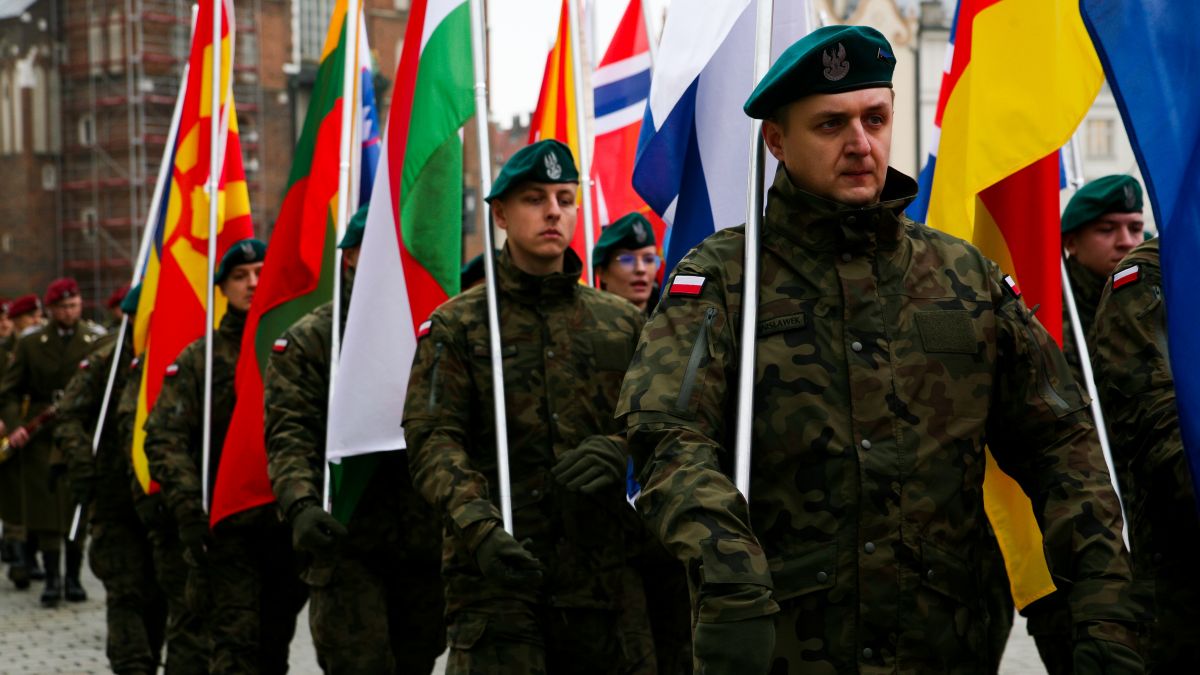
Therefore, Europe's response today can be read as an attempt to maintain strategic distance, not a complete severance of ties with America. Finland even stated that it is forming "a more European NATO," while the UK believes that the increasingly volatile global situation demands closer defense ties with Europe. The message is quite clear: Europe still considers NATO important, but they are also beginning to prepare themselves to be less dependent on Washington's decisions, especially if the US continues to drag the alliance into conflicts they don't agree on.
In this context, the debate over NATO is actually only superficial. Beneath it lies a larger issue: a crisis of confidence in America's use of its global power. As long as military support for Israel continues, while civilian casualties and humanitarian impacts intensify, political pressure on Washington is likely to continue to mount, including from its own close allies.
The reasons for this growing perception:
US military support for Israel is very tangible and measurable. The emergency sale of more than 20,000 bombs to Israel reinforces the impression that Washington is supporting the escalation, not simply providing diplomatic support.
Several European countries are beginning to refuse to participate in the US-Israel war agenda. The denial of airspace, the restriction of bases, and the closure of airspace demonstrate open resistance from their own allies.
Civilian casualties and the humanitarian crisis continue to mount. The death toll in Gaza and the disruption of global aid routes have made criticism of the war increasingly acceptable to the international public.
Trump has linked NATO to support for operations in the Middle East. This has given rise to the impression that the defense alliance is being forced to follow Washington's broader geopolitical agenda.
Europe is beginning to prepare for strategic independence. The emergence of the idea of a "more European NATO" indicates that confidence in US leadership is no longer as strong as it once was. (Zaf)
Source: Newsmaker.id